


Introduction
In recent years, the fast growth of Artificial Intelligence (AI) has transformed many industries, particularly software engineering. Tools such as GitHub Copilot and ChatGPT have become common in the daily work of developers. While these technologies offer impressive benefits in terms of speed, they have also created a serious concern. Some people believe that AI is a necessary tool for modern productivity, while the rest fear it may cause developers to become “lazy” and lose their basic problem-solving skills. This article will examine both the advantages and the potential risks of using AI in the coding process.
1. The Benefits of AI as a Productivity Tool
From a professional perspective, AI assistants act as a powerful support system that allows developers to work more efficiently.
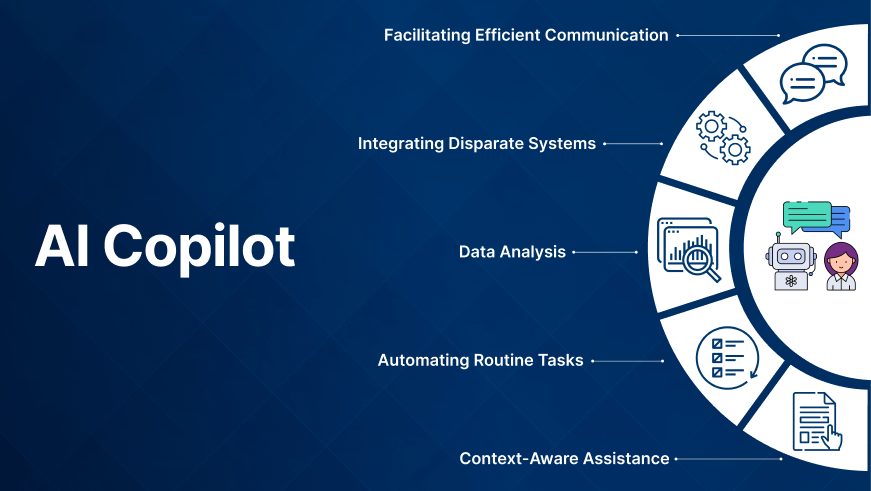
- Handling Repetitive Tasks: Most of a programmer’s work is writing “boilerplate” code – part of code that is necessary, but isn’t complex. AI can generate them immediately, such as database connections or basic data structures. This allows engineers spend more time on high-level logic and system design.
- Improving Concentration: Traditionally, when a developer faced a difficult syntax error, they had to search through external websites, which often broke their concentration. AI tools allow them to find solutions directly within their workspace, reducing “context switching” and helping them maintain a steady workflow.
- A Tutor to Teach and Learn More: If someone is trying to pick up a new programming language, AI acts as an interactive tutor. It’s able to give you on-the-spot examples and explanations of some really difficult things, which means learning is so much faster than reading old textbooks.
2. The Significant Risks of Over-Reliance
Despite the clear advantages, there are several negative consequences if a developer depends too heavily on AI.
- The Problem of ‘False Correctness’: AI models have no real understanding of the logic involved in a particular business; they only predict what would be the next likely piece of code based on past behaviour/patterns. As a result, the AI may output code which seems fine but has some hidden bug or security issue. If the programmer is not careful enough, this code can cause a catastrophic system failure.
- Deterioration of Critical Thinking: The main concept that a programmer excels at is the skill to look at high-level complicated problems and break them down into simple exercises. If a problem-solver leans on AI to tackle every obstacle, they cease exercising their analytical muscles. Over time, this can result in “cognitive laziness” where the person can no longer solve problems without digital help
- Shallow Understanding: The “Copy-Paste” attitude prevails in the industry. So nowadays, many of the junior developers aren’t checking code they don’t understand. If you can’t explain what your code is doing, then you have lost control of your own work.
3. Finding a Balance: Using AI Responsibly
The significance of AI is totally determined by the user’s habits. To make sure AI is a boon and not a boondoggle, developers must accept some hard-edged truths:
- Design First, Code Second: Developers should design clear endpoints (modules with interfaces) before you have your AI handle the implementation.
- The “Auditor” Mindset: Instead of seeing AI as a “source of truth,” think of it as a junior assistant. You must review and verify every line of code it suggests to ensure it meets safety and performance standards.
- Focus on the Core: Use AI for the simple, boring parts of a project, but ensure that the most important logic is written or at least deeply understood by the human developer.
4. Conclusion
To sum up, AI Copilot is a two-edged sword. It can be a tool that makes a disciplined developer hugely more productive, but also one that causes skills to atrophy for those who use it as a way to avoid thinking. We are witnessing an evolution of the developers, because they should no longer take the effort to write lines of code, instead he has to manage and verify the solutions as provided by technology.
So in the end, everything boiled down to one question for any developer today: Are you using AI to expand your intelligence, or are you using it to replace your efforts?