


Handling “High-Level Requirements” Projects: How QCs Survive in Outsourcing
Have you ever started a testing project with zero details? The client gives you a document, but it only has general sentences like: “The user must be able to search for shoes quickly.”
For a QC, this is a real nightmare. If there are High-level requirements. Without clear specifications, how do you know if a feature works correctly or not? But we cannot just sit and wait for the details. The project must move fast.
Here are some simple tips to help QCs survive and do good testing when requirements are missing.
1. Look at your competitors

When the requirements are too general, look at the market. If you are testing a shopping website, go check out the top shopping apps.
See how they do the login, the cart, or the payment. For example, if all big apps send an email after you buy something, your app should do the same. You can use this competitor logic to write your test cases. You do not need to wait for the client to give you every detail. But remember to share it with the client and get their confirmation before you start testing.
2. Do not ask open questions. Give choices.
If you send a long email to a busy client and ask: “How does the login work?”, they will not answer you quickly. They are too busy, or they do not know how to explain it.

Instead, ask very specific questions with choices. For example: “For the shoe search, do users see the results instantly when they type, or do they need to click a ‘Search’ button?” When you give choices, the client can answer “Yes”, “No”, or pick one in 5 seconds. Then, save that answer as your detailed requirement.
3. Use the current app as the document

When the document lacks details, the working app becomes your true specification sheet. Go inside the app, test different flows, and write down exactly how the system behaves right now.
Show this text to your developers, BA and the client. If everyone says “Okay, this is fine”, then this becomes your new detailed rule. In the future, if a new update breaks this flow, it is a bug.
4. Stop writing long test cases. Use simple checklists.
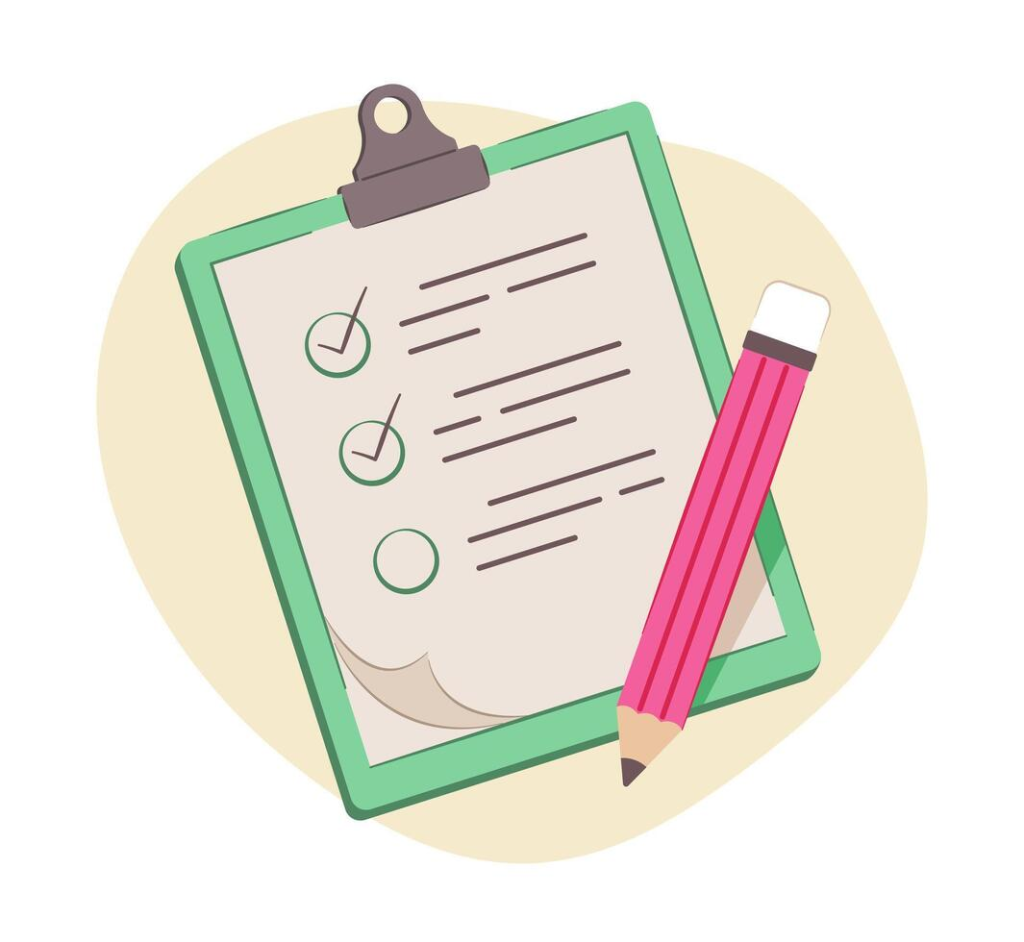
Writing step-by-step test cases takes too much time when requirements are vague. In these projects, features change every day because the details are not locked down. If you write detailed test cases, they will become useless tomorrow.
Save your time. Just write a simple checklist of the main features based on the high-level goals. For example: “User can add items to cart” or “User can use a discount code”. This helps the QC team test faster and stay flexible.
5. Talk directly to Devs and BAs

Don’t just sit and guess. Go to the developer’s desk or talk to your BA directly. Ask them: “What are you coding today?” or “How should this button work?”. A 5-minute talk can save you hours of writing emails.
6. Test the “Happy Path” first

When you don’t have detailed documents, do not look for small, difficult bugs first. Focus on the “Happy Path”. This means the main flow that 90% of users will do. Make sure the user can log in, add items, and checkout successfully. If the main flow is broken, the small details do not matter yet.
7. Record your screen during testing

Because the requirements are not clear, developers might say: “This is not a bug, it works fine on my laptop.” To avoid this, always record your screen when you test. If you find a bug, show them the video. Videos are the best proof when paper documents are too vague.
8. Focus on User Experience (UX)

When you don’t have a document to check the logic, just think like a normal user. Open the app and ask yourself: “Is this easy to use?” or “Is this button too small?”. If something feels annoying, report it as a UX issue. Good UX feedback makes the product more valuable, and clients appreciate that.
9. Check the old feedback from the client
Sometimes, the client actually explained the details in old messages on Teams, or email. Look back at these messages, screenshot them, and use them as your official requirement.”
Pros and Cons of Working with High-Level Requirements
Testing with vague documents is difficult, but it also has two sides. Here is a simple comparison:
| Pros (The Good Things) | Cons (The Bad Things) |
|---|---|
| More freedom: You can help design how the app works instead of just following strict rules. | Easy to miss bugs: Because there are no detailed rules, you might miss some important edge cases. |
| Fewer boring test cases: You do not need to spend days writing long documents that nobody reads. | Arguments with developers: Devs might have a different idea about the vague text, leading to disagreements. |
| Think like a Product Owner: You learn how to research market standards and think about the whole product. | High stress: You always feel unsure if you are testing the right thing or the wrong thing. |
| More flexibility: The team can adjust the product quickly based on what looks best. | Re-doing work: The client might see the feature later, change their mind, and ask you to test it again. |
Summary
Working with high-level requirements is hard, but it happens every day in software outsourcing. Instead of worrying, you can look at competitors, ask the right questions, and make your own notes. In the end, our job is not just about checking a document, it is about making sure the app works well for real users.