


Introduction
CSS preprocessors are important gear for the front-end developers and designers. They offer a more green and prepared way to write down CSS, providing quite a number features and functionalities that simplify the styling manner. In this blog, we are able to find out what CSS preprocessors are, why they’re beneficial, and a few well-known alternatives to be had these days.
What are CSS Preprocessors?
CSS preprocessors are scripting languages that expand the abilities of modern-day CSS. They allow you to installed writing CSS code in a more based and dynamic manner, making it less complicated to create, manipulate, and maintain patterns to your web tasks.
Popular CSS Preprocessors
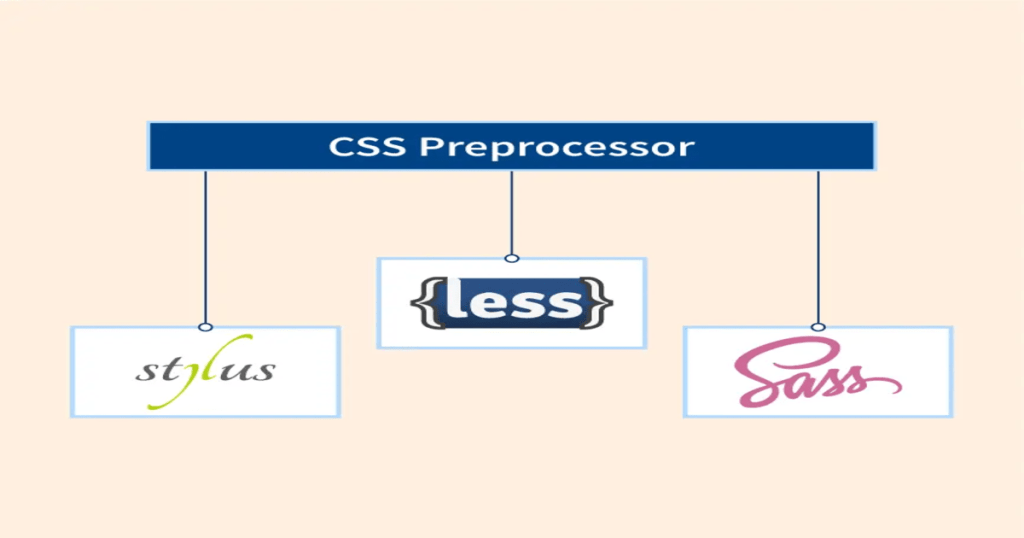
1. Sass (Syntactically Awesome Style Sheets)
Sass is a preprocessor that introduces variables, nesting, mixins, and extra. It uses a syntax with great whitespace and compiles into everyday CSS. This helps lessen redundancy and maintainability troubles for your stylesheets.
2. Less
Similar to Sass, Less extends CSS with features like variables, mixins, and functions. It moreover compiles to conventional CSS, making it smooth to combine into your present initiatives.
3. Stylus
Stylus is thought for its minimalistic and expressive syntax. It features computerized indentation-based totally nesting and provides powerful features, making it a concise preference for builders.
Key Features of CSS Preprocessors
1. Variables: Preprocessors can help you define variables for colorings, fonts, and different style houses. This makes it easy to hold a regular look and sense in the course of your entire internet website.
2. Nesting: You can nest CSS guidelines inside one another, decreasing redundancy and enhancing code agency. No more countless repetitions of determine selectors!
3. Mixins: Mixins are reusable blocks of CSS that may be covered in other rules. They sell code reusability and consistency.
4. Functions: Preprocessors useful resource capabilities that can help you carry out calculations and manage values straight away to your stylesheets. This is specially useful for responsive layout.
5. Imports: You can cut up your stylesheets into smaller, modular documents and import them as wanted. This simplifies task employer and maintenance.
Why Use CSS Preprocessors?
Let’s discover why they’re such valuable tools for web developers
1. Improved Code Maintainability
CSS preprocessors encourage better code organization. With variables, nesting, and mixins, you may write cleaner and further concise code. This makes it less complicated to apprehend and preserve your stylesheets, particularly in huge tasks.
2. Reusability
Mixins and functions permit you to create reusable CSS code snippets. This can drastically lessen redundancy and make your codebase more modular. When you want to make a worldwide style alternate, you could replace it in a single place, and it’s going to routinely propagate in the course of your mission.
3. Code Efficiency
Functions and calculations can help you create responsive designs extra successfully. For instance, you may without troubles scale font sizes or adjust margins primarily based on show size, simplifying the manner of making your internet site appearance incredible on diverse devices.
Conclusion
CSS preprocessors are effective equipment that would substantially decorate your internet improvement workflow. They decorate the maintainability, reusability, and enterprise of your styles, making it less difficult to create stunning and responsive web websites. Whether you choose Sass, Less, Stylus, or every different preprocessor, integrating it into your obligations can streamline your CSS development way and purpose greater efficient code.
Finally, for more such updates and to read more about such topics, please follow our LinkedIn page Frontend Competency