


Introduction
In the ever-evolving realm of web development, Node.js stands tall as a versatile and powerful tool. However, harnessing its full potential requires adherence to best practices that not only ensure robust performance but also make your code a work of art. Let’s delve into the intricacies of Node.js and uncover the seven Exceptional Node.js Best Practices that will elevate your development game.
In this blog, we’ll explore 7 best practices that i recommend everyone should follow for building scalable and highly available NodeJS applications:
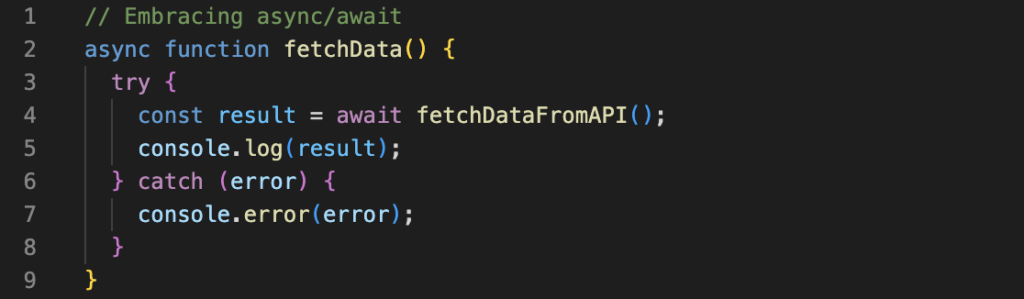
Asynchronous Mastery
Node.js thrives on its asynchronous, event-driven architecture. Make the most of it by embracing callbacks, Promises, and async/await. The key here is to avoid blocking operations and keep your codebase non-blocking. This ensures smooth handling of concurrent requests, making your application highly scalable. For more detail check here.
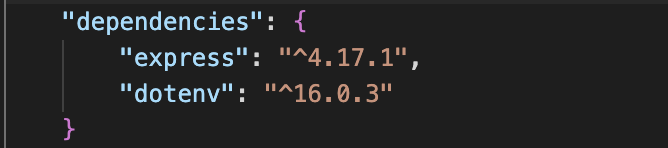
Dependency Management with NPM
Node Package Manager (npm) is a powerhouse of modules and packages. However, managing dependencies can be tricky. Always specify the exact versions of your dependencies in the package.json file to ensure consistency across different environments. Regularly update dependencies to benefit from the latest features and security patches.
For more details on package management Click Here.
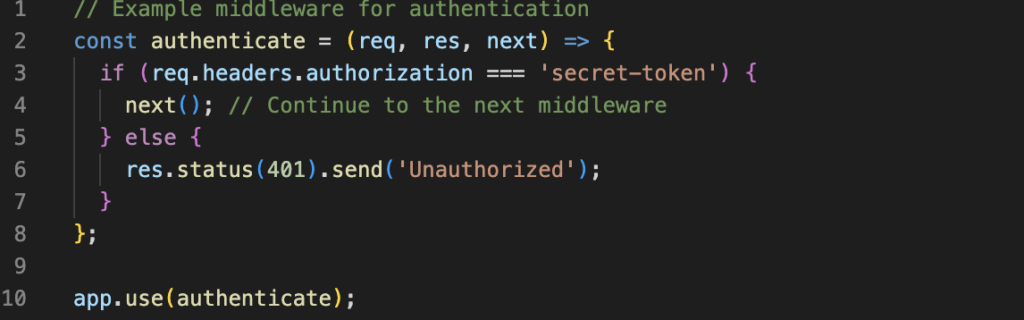
Middleware Magic
Node.js middleware plays a crucial role in handling requests and responses. Employ middleware strategically to add functionalities, validate inputs, and handle errors. Middleware functions are executed in a sequential order, allowing you to create a pipeline that transforms incoming requests or outgoing responses.
For more details on middleware Click Here.
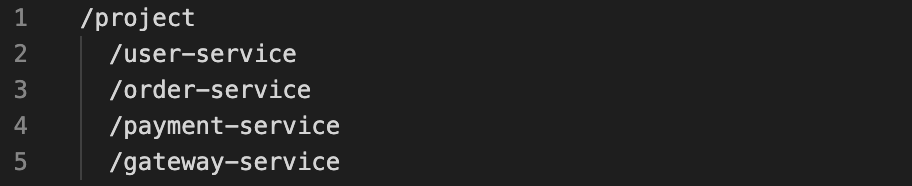
Scalability through Microservices
As your application grows, scalability becomes a paramount concern. Consider adopting a microservices architecture, where you break down your application into smaller, independent services. This not only facilitates easier maintenance and deployment but also allows each service to scale independently, optimizing resource utilization.
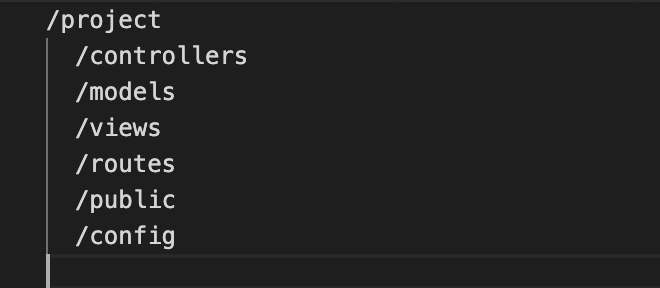
Structured Project Organization
Maintain a clean and organized project structure. Separate concerns using MVC (Model-View-Controller) or similar patterns. This not only enhances code readability but also facilitates scalability. Adopting a consistent naming convention and folder structure ensures that your project remains comprehensible, even as it grows.
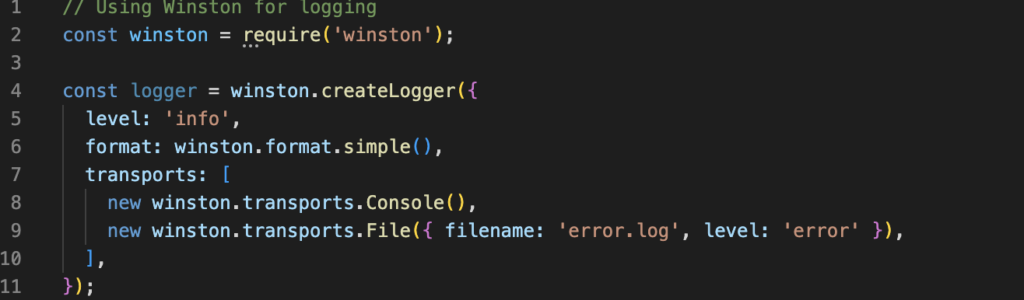
Logging Done Right
Effective logging is a developer’s best friend when it comes to debugging and monitoring. Use dedicated logging libraries like Winston or Bunyan to streamline the process. Implement different log levels for various scenarios and ensure that logs contain sufficient information to diagnose issues quickly.
Testing Wisdom
Testing is not an afterthought; it’s a crucial part of the development process. Embrace unit testing, integration testing, and end-to-end testing to validate different aspects of your application. Tools like Mocha and Jest make testing in Node.js a breeze. Writing tests not only ensures code reliability but also simplifies future maintenance.

Conclusion
Node.js, with its speed and scalability, is a developer’s dream. By adhering to these seven best practices, you not only harness the true power of Node.js but also ensure that your codebase remains robust, secure, and maintainable. Stay curious, stay innovative, and let your Node.js journey be a masterpiece in the world of web development.
With these thank you if you were there till the end. For more such blogs and updates follow Front-end Competency.
Follow NashTech Blogs for more amazing blogs.