


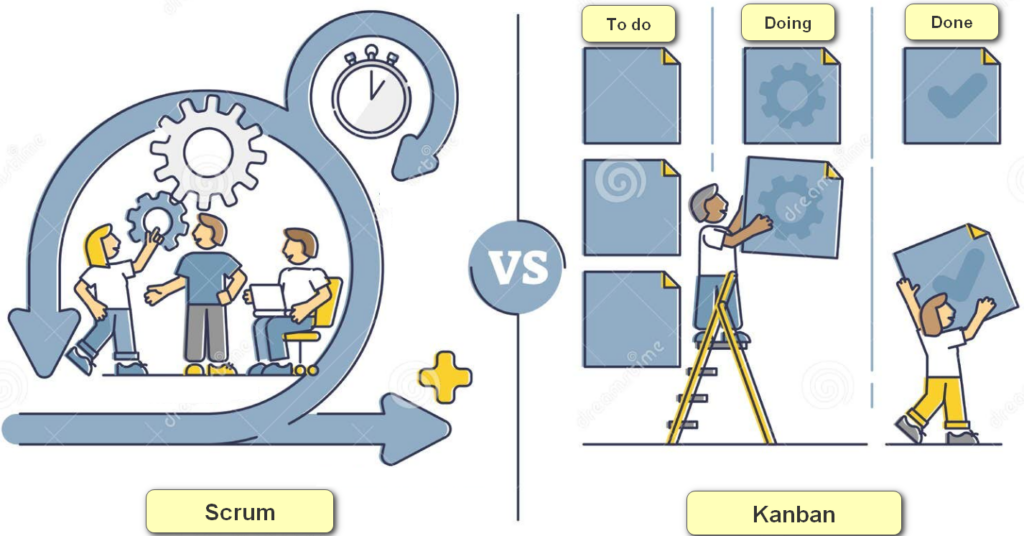
Testing in Scrum vs Kanban
The 16th Annual State of Agile Report in 2022 states that Agile is still a key software development methodology for many businesses worldwide. Scrum and Kanban are two well-known Agile frameworks frequently used. Understanding the similarities and differences when testing in Scrum and Kanban will be very helpful for us as testers. So that we may work efficiently on the actual project.
What are Agile, Scrum, and Kanban?
Agile is a project management methodology that focuses on adaptability, teamwork, and iterative development. It was first used in software development, but a lot of other industries are now using it because of its ability to quickly deliver high-quality products and adapt to shifting business needs.
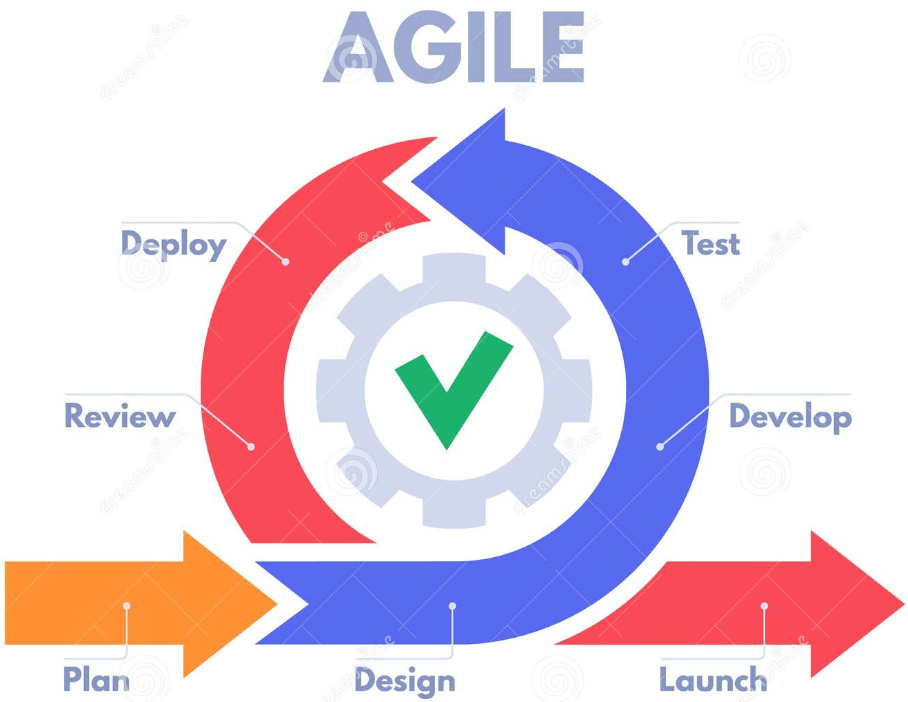
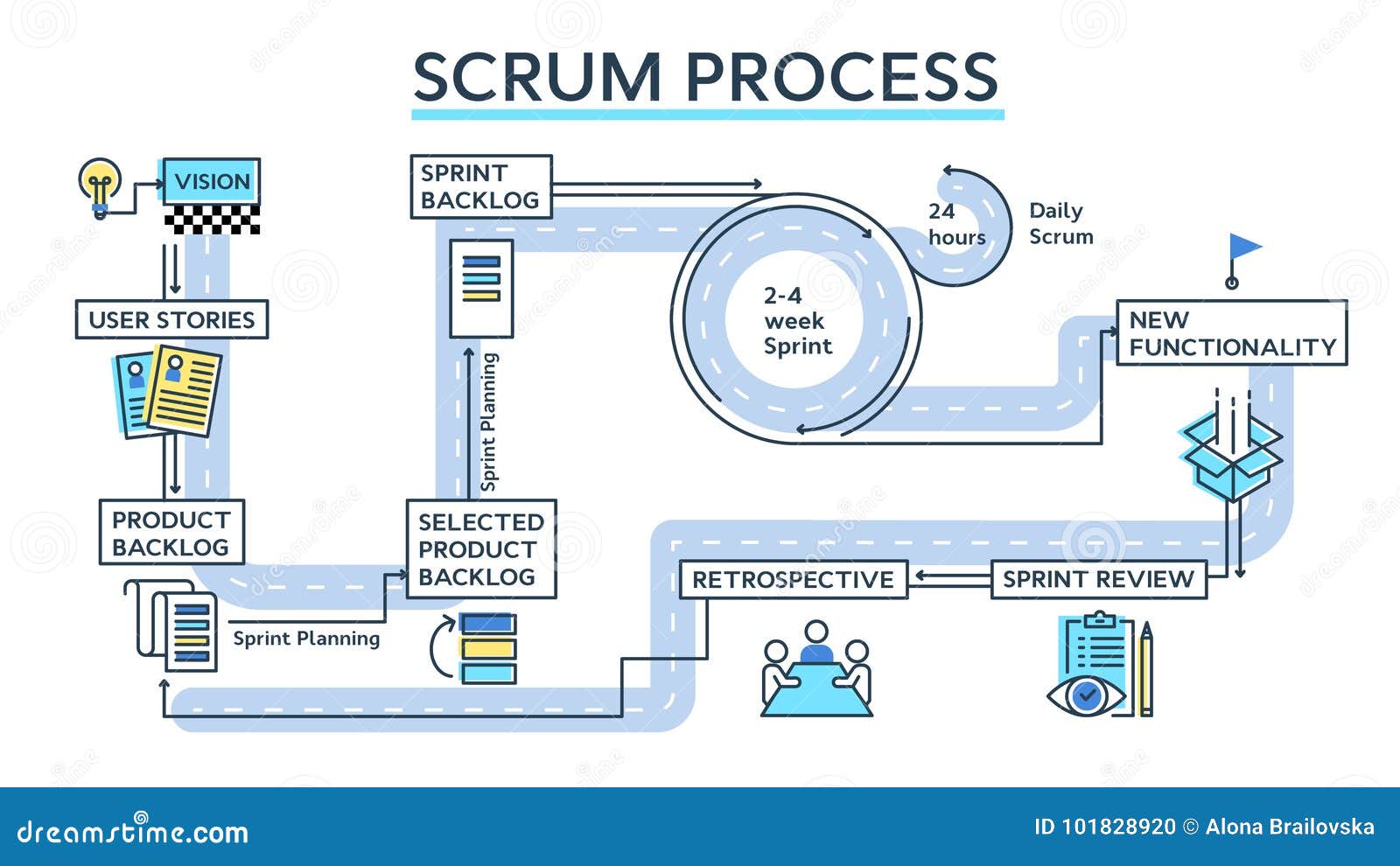
Scrum is an Agile framework. In Scrum, a cross-functional team collaborates to provide a potentially releasable product increment at the end of each iteration, known as a sprint. The sprint usually lasts 2-4 weeks, and it starts with a sprint planning meeting where the team decides what tasks they want to accomplish.
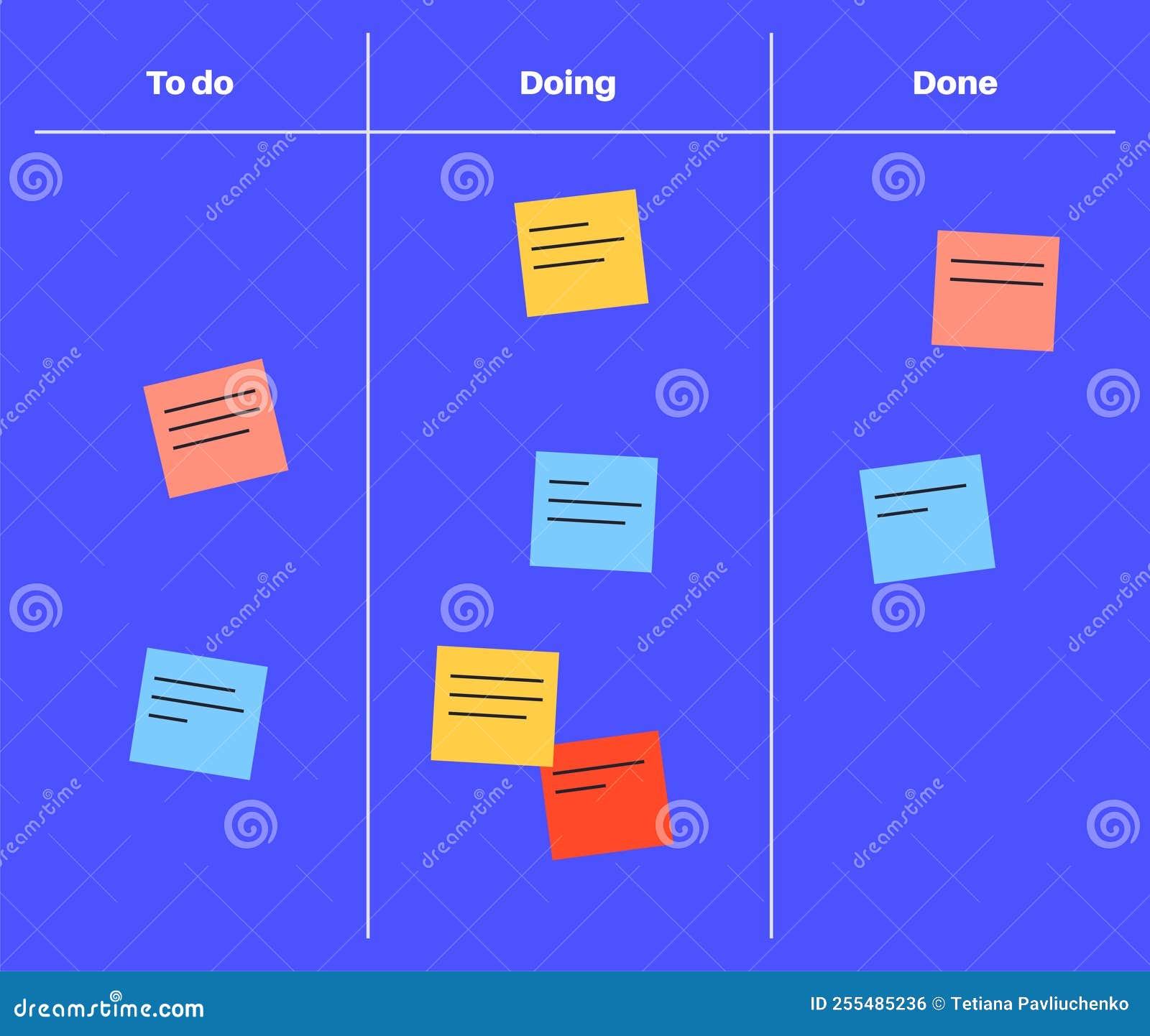
Kanban is another Agile framework. A Kanban board, which can be physical or digital will illustrate each work item’s status. Columns on the board usually indicate each stage of the process, such as “To Do,” “In Progress,” and “Done.” As work items move through the process, they are represented by cards or sticky notes that move across the board.
Similarities and differences between testing in Scrum and Kanban
– Similarities
Regarding similarities, there are 3 points.
Firstly, Constant improvement
Concentrating on continuous development. The objective is to determine areas that need improvement and modify the procedure to increase effectiveness and quality. For example, a retrospective is a meeting where the team evaluates the development process to determine what worked well, what didn’t, and what can be improved.
Secondly, Cooperation

Focusing on cooperation among developers, testers, business analysts, and other stakeholders. The objective is to produce high-quality software that satisfies both user and corporate needs. For instance, 4-eyes or pair testing may be used in some projects. In pair testing, a developer and a tester collaborate so they can see things from one other’s perspectives.
Thirdly, Client-oriented
The client is the primary goal in both frameworks. The team needs to collaborate closely with them. To fully understand client needs and make sure the software satisfies them. The client may perform the test after each sprint and then send feedback to the team. The feedback will be used by testers to direct their work and effort. For example, concentrate on features that clients use frequently when testing.
– Differences
Besides similarities, there are also a few differences as below.
Firstly, Flexibility
Testing in Scrum is highly organized and follows a sprint cycle. Also, the scope is well-defined. So testers may benefit from these. But sometimes, deadlines can be tight. It may create stress for the tester.
Testing in Kanban is more flexible. Because requirements are changing rapidly or testing needs to be adjusted based on feedback from the team or stakeholders. So instead of being restricted to a sprint, it allows testing time to expand whenever necessary.
Secondly, Planning and scheduling
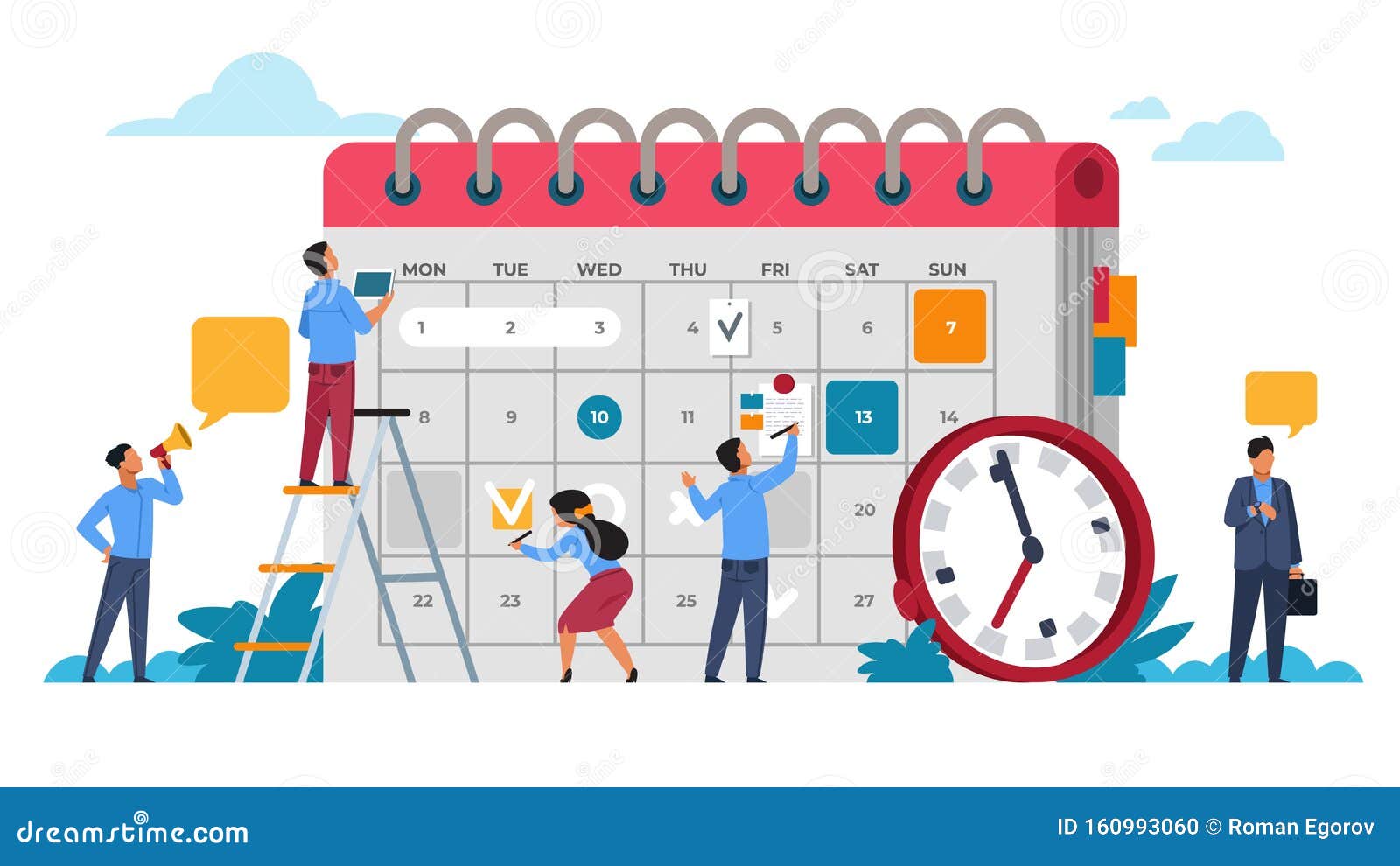
In Scrum, the testing effort is estimated during the Sprint planning and then added to the user story. Testing occurs for a short time, usually two weeks. If it takes longer, the user story can be carried on in the next Sprint or it can be split. It helps in increasing the tester’s attention and ensures testing is completed on schedule.
In Kanban, the testing effort is estimated during the planning and then added to the user story. Testing lasts wherever it is required. The team constantly controls and manages test activities and progress using visual management tools such as flowcharts and Kanban boards. Compared to Scrum, it reduces the stress of the tester due to declines.
Conclusion
In conclusion, while collaboration, continuous improvement, and iterative development are all critical components of Agile, there are also significant variations between Scrum and Kanban’s approaches to planning, roles, and testing. Kanban is more adaptable and concentrates on the continuous flow of work, whereas Scrum is more prescriptive and has specified roles and planning processes. The choice between Scrum and Kanban depends on the specific needs and dynamics of the project and testers.
Reference
ISTQB – Foundation Level Extension Syllabus Agile Tester_v1.0
Testing in Scrum vs Kanban: A Comparison (linkedin.com)
17th State of Agile Report | Analyst Reports | Digital.ai
Stock Photos & Images, Vectors, Video & Audio – Dreamstime (for illustration images)