


Types of Expected Bugs in Game Testing
Game testing is a crucial part of game development, as it ensures that the game is playable, enjoyable, and free of errors. However, game testing is also a challenging and complex task, as it involves testing various aspects of the game, such as graphics, sound, gameplay, user interface, and performance. Moreover, game testing often encounters different types of bugs, which can affect the quality and functionality of the game. In this blog post, we will discuss some of the common types of bugs that are expected in game testing:
Crashing
A crashing issue in game testing occurs when the game unexpectedly shuts down during gameplay, disrupting the player’s experience. Such bugs are labeled as “Crashed” or “hanged,” determining a stage beyond which the execution of the game stops automatically. In most cases, the user is required to start from the beginning, downgrading the user’s game experience.

Sound bugs
Bugs regarding sound effects and music come in many different forms: a sound is too high or too low in a way that it’s not intended, a sound effect or music plays at the wrong moment, or it keeps playing in a loop. Sometimes it’s due to the game searching for the sound file, but it’s incorrectly named. For instance: a player interacts with an element that comes with a sound, but the sound keeps replaying itself in a loop after the context is past, breaking the gaming experience.
Translation defects
Translation defects in games refer to errors or issues that arise during the localization process when adapting the game’s text and dialogue into different languages. Here are some common examples: mistranslations, incorrect translation or transliteration of symbol names, dates, numerical values, names of historical, text formatting problems, text-overflow or clipping, grammar and syntax errors
Graphic defects
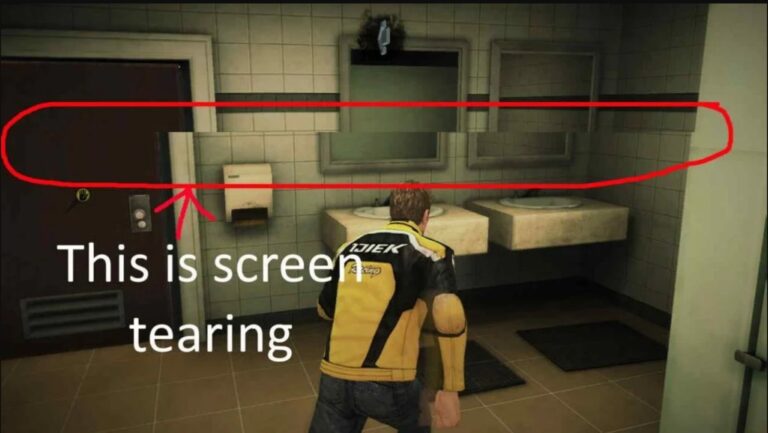
A common category of defects in graphics testing is visual defects. Graphics defects include tearing of the image on the screen, the absence of textures, and the unexpected cropping of certain areas of the image. When creating graphics and animation for mobile games, the same engines are used as for a PC. The difference is that the same engines are adapted for specific platforms, the hardware that is used in them, and their technical capabilities. Therefore, the defects that occur in such games are similar.
Gameplay bugs
It occurs when a video game fails to perform as intended or behaves unexpectedly within the game’s rules. Examples include elements not behaving as expected, destructible objects not being destroyed, unintended consequences of actions, or weapons and tools not affecting enemies or the environment.
State of game
The issue where player settings or progress are not retained after exiting and relaunching the game can frustrate players and lead to a poor user experience.
Performance problems
Frame rate drops, stuttering, or lag that affect gameplay smoothness.
Compatibility issues
Arises when a software application, such as a video game, encounters problems running on certain hardware configurations or operating systems. Examples of compatibility issues include overlapping elements during rotation, missing game backgrounds on iOS scrolling, error messages during page navigation…
Payment issues
The issue where player balances fail to update after playing a game is indeed a common concern in game testing. This issue can arise due to various factors within the game’s architecture, network communication, or backend systems.
Is that all?
Of course not. This list is not all-inclusive but is the most frequently encountered. What bugs have you encountered while playing or working on games? I would be happy to chat with you on this and other relevant topics in the comments
Conclusion
Game testing is a dynamic and iterative process to identify, document, and resolve various bugs and issues to enhance the overall gaming experience. While encountering bugs is inevitable during development, proactive testing, thorough debugging, and clear communication between developers and testers are essential for minimizing their impact on the final product. Understanding common types of bugs in game testing enables developers to prioritize testing efforts effectively, ensuring critical issues are addressed promptly. Ultimately, this approach is vital for delivering polished and enjoyable games that resonate with players in the competitive gaming market.
Reference
https://www.lambdatest.com/learning-hub/game-testing
https://stayrelevant.globant.com/en/technology/gaming/varieties-game-bugs/