



Introduction
In the field of software development, testing is an essential part of ensuring the quality and reliability of a product. Whether it’s a simple mobile application or a complex enterprise software system, thorough testing is crucial to detect and address any issues before they reach end-users. Nowadays, we often easily find articles, scientific papers about testing technologies or testing methods. However, testing isn’t just about running software and finding bugs; it also involves meticulous documentation to track the testing process, results, and any necessary actions. In this blog post, we will delve into the importance of test documentation, its key components, and the best practices to ensure comprehensive testing.
What is Test Documentation?

Test documentation comprises a range of documents created throughout the software testing process to plan, execute, and evaluate tests. These documents include test plans, test cases, test scripts, test reports, and more. Each document serves a specific purpose and contributes to the overall testing effort, allowing testing teams to formulate a coherent plan for thoroughly testing a software product and systematically check all the boxes for designing, implementing tests, and recording results, enabling them to achieve their testing goals effectively.
Why is Test Documentation important?
Without documentation, testing makes it harder to see the project as a whole. The result is still unclear if you don’t have specific goals, a methodical plan for achieving them, and all the necessary requirements laid down in writing. The following justifies your understanding of the significance of test documentation:
- Clarity and Consistency: Testing documentation provides clear guidelines and instructions for conducting tests, ensuring consistency across the testing process.
- Traceability: By documenting test cases and results, teams can trace defects back to their source, facilitating effective bug tracking and resolution.
- Communication: Testing documentation promotes communication and collaboration among team members, stakeholders, and other project stakeholders.
- Compliance: Documentation helps teams adhere to industry standards, regulations, and best practices, ensuring the software meets quality and regulatory requirements.
Types of Test Documents

Internal test documents
Internal test documents contain the objectives, methods, and results of testing at a technical level and sometimes require technical knowledge to fully understand them.
- Test Policy: Company rules for testing, e.g., device usage and data sources.
- Test Strategy: Main testing aspects, adaptable to project levels.
- Test Plan: Comprehensive project overview, including scope, methods, and schedule.
- Test Scenario: A detailed process for testing a specific product part, comprising interdependent test cases.
- Test Case: Document detailing procedures for testing specific product aspects like logic, functionality, and interface elements.
- Test Data: Document outlining the necessary data for testing to simulate real-world application performance.
- Traceability Matrix: Table mapping test cases with requirements and execution status to track compliance throughout the software development lifecycle.
External test documents
External test documents are used to visually present the final results in various forms.
- Bug Reports: Document detailing specific application bugs comprehensively to aid product improvement.
- Test Summary Reports: Document summarizing test cycle results, including defect detection cost, test suite efficiency, and verification efforts.
- User Acceptance Report: A document containing testing results before submission to ensure alignment between developers’ and customers’ visions.
How to Write a Test Document?
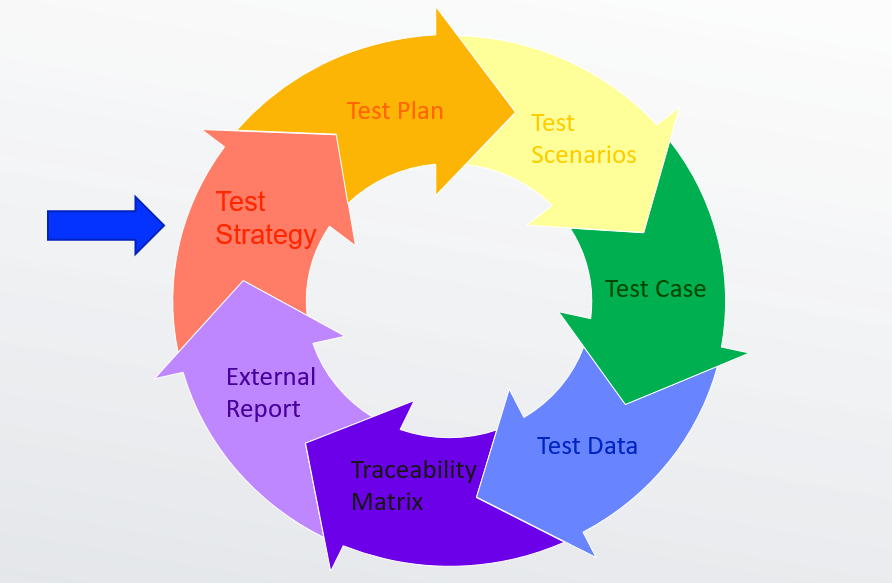
There are several essential steps in creating effective test documentation:
- Define test strategy: Clearly outline the approach to testing and the scope of the testing effort.
- Create a test plan: Develop a detailed plan starting from resources and tasks to the list of application functions to be tested and their testing schedule.
- Identify test scenarios: Specify in detail what will be tested and how many test cases are required to test a specific part of the application from start to finish.
- Document test cases: Describe in detail how each specific element of the application will be tested.
- Generate test data: Specify all necessary data required to test each test case.
- Develop a traceability matrix document: This document is directly linked to other testing documents and helps track updates.
- Finalize external reports: Ensure they are regularly updated and run in parallel.
Advantages and Disadvantages of using Test Documentation

Best Practices for Achieving Test Documentation

Conclusion
In conclusion, testing documentation plays a crucial role in ensuring the quality, reliability, and success of software products. By documenting test plans, test cases, and results, teams can effectively plan, execute, and evaluate tests, leading to improved software quality and customer satisfaction. While creating and maintaining testing documentation may require time and effort, the benefits far outweigh the challenges, making it an indispensable aspect of software testing.
References
Document:
- https://www.softwaretestinghelp.com/why-documentation-is-important-in-software-testing/
- https://www.guru99.com/testing-documentation.html
- https://www.javatpoint.com/testing-documentation
- https://maddevs.io/blog/test-documentation-in-software-testing/
- https://testsigma.com/blog/test-documentation/#What_Is_documentation_for_testing
Image:
- https://storyset.com/illustration/online-document/pana
- https://valerelabs.medium.com/how-to-develop-school-management-system-software-7002808736dc
- https://www.myhrtoolkit.com/blog/hr-best-practices-for-small-businesses