



In today’s rapidly evolving digital landscape, efficient data management is paramount for organizations of all sizes. Microsoft Dataverse, formerly known as Common Data Service (CDS), offers a powerful and comprehensive solution for data storage, integration, and application development. In this blog post, we will explore various aspects of Microsoft Dataverse and how it can significantly streamline your data management processes.
What is Microsoft Dataverse?
Microsoft Dataverse is a cloud-based service that enables organizations to securely store, manage, and interact with their business data. It acts as a central repository for all kinds of structured and unstructured data, including customer records, sales transactions, product catalogs, and more. By providing a unified and secure data platform, Microsoft Dataverse helps businesses simplify data integration and improve collaboration across various applications, services, and devices.
Key Benefits of Microsoft Dataverse
Data Centralization and Security: With Microsoft Dataverse, you can eliminate data silos and bring all your critical information into a single, secure location. This centralized approach allows for better data governance and reduces the risk of data duplication or inconsistency.
-
Seamless Integration with Microsoft Power Platform:
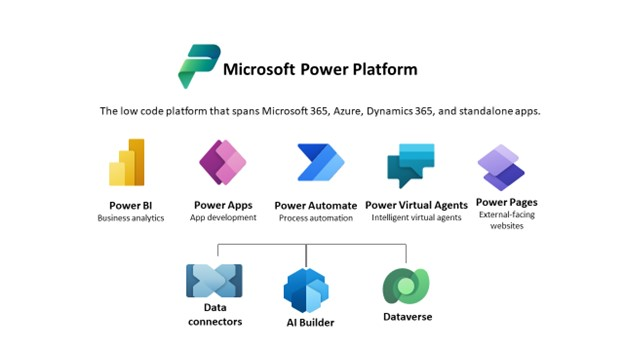
Being a core component of the Microsoft Power Platform, Dataverse seamlessly integrates with other tools such as Power Apps, Power Automate, and Power BI. This integration empowers organizations to build custom applications, automate workflows, and gain meaningful insights from data without extensive coding.
-
Rapid Application Development:
Microsoft Dataverse accelerates application development by providing pre-built templates, connectors, and a no-code/low-code development environment. This empowers citizen developers and IT professionals alike to quickly create scalable and robust solutions.
-
Flexible Data Modeling:
Dataverse offers a flexible data schema that enables organizations to model their data according to their specific business needs. Using entities, relationships, and business rules, users can define the structure, behaviour’s, and validations for their data without complex coding.
-
Easily Extendable:
Dataverse supports easy extensibility with custom plugins, workflows, and business processes. You can add custom business rules, automate complex workflows, or create custom APIs to interact with external systems.
-
Analytics and AI Features:
As part of the Power Platform, Dataverse seamlessly integrates with Power BI, enabling organizations to derive actionable insights from their data. Additionally, you can leverage AI capabilities such as AI Builder to automate processes, analyse sentiment, or extract information from unstructured data.
Real-World Examples
Microsoft Dataverse has been successfully utilized by organizations across various industries. Some examples include:
-
Sales Management:
Sales teams can use Microsoft Dataverse to store customer information, track leads, manage opportunities, and automate sales processes. The integration with Power BI allows for real-time reporting and visualizations to monitor and optimize sales performance.
-
Field Service Management:
Organizations providing field services can leverage Dataverse to manage their field technician schedules, equipment inventory, and service requests. This enables efficient allocation of resources, timely communication with customers, and ensures compliance with service level agreements.
-
Healthcare:
Healthcare providers can utilize Dataverse to maintain patient records, manage appointments, and automate various administrative processes. The extensibility features allow for integration with electronic medical record (EMR) systems, wearable devices, or telehealth platforms.
Architectural Overview of Microsoft Dataverse
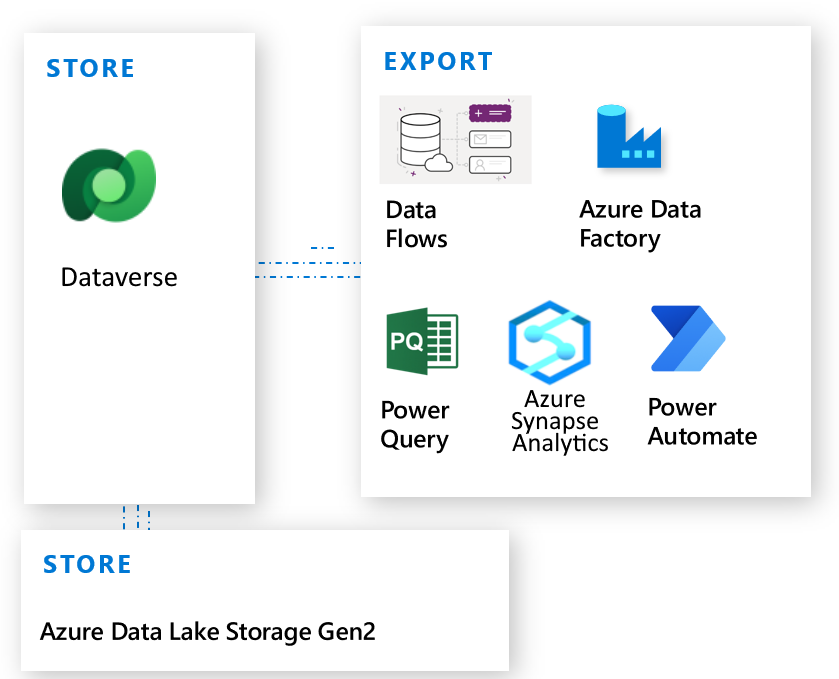
The architecture of Dataverse is designed to be flexible and scalable. At its core, it consists of:
- Table Definitions: These describe the fundamental elements of your data schema.
- Data: All data is stored in rows within the defined tables.
- Logic Layer: Business rules, workflows, and plugins that ensure data consistency and automate processes.
- Connectivity Layer: APIs like OData v4 provide programmatic access to data for external applications.
Closure
Microsoft Dataverse represents a paradigm shift in the way we think about and handle data within our business applications. Combining ease of use with flexibility and power, it offers an exceptional platform for building a data foundation capable of scaling with the growing demands of modern enterprises. As businesses continue to search for efficiencies and smarter ways to operate, Dataverse stands ready to play a pivotal role in propelling organizations towards a future where data is not just managed, but fully optimized to drive success.