



Sales Tax image by Nick Youngson
In e-commerce, understanding and applying the correct sales tax is crucial for compliance and customer satisfaction. Sales tax can be particularly challenging because it may be calculated based on either the origin of the shipment or its destination. As a Quality Assurance (QA) professional in the e-commerce sector, one of your responsibilities is ensuring that your platform correctly calculates sales tax according to these rules. This blog explores how to effectively test and verify the application of origin-based and destination-based sales tax on e-commerce platforms.
Understanding Origin-Based vs. Destination-Based Sales Tax
Before diving into the testing specifics, it’s important to understand the difference between origin-based and destination-based sales tax:
– Origin-Based Sales Tax: This method calculates sales tax based on the location of the seller. It is primarily used in a few states and is straightforward because it applies the tax rate of where the business is located, regardless of where the buyer resides.
– Destination-Based Sales Tax: Most states use this method, which calculates the tax based on where the buyer is located (i.e., where the product is shipped). This can get complicated, especially when different rates apply at the state, county, and city levels.
-
Step 1: Define the Tax Requirements
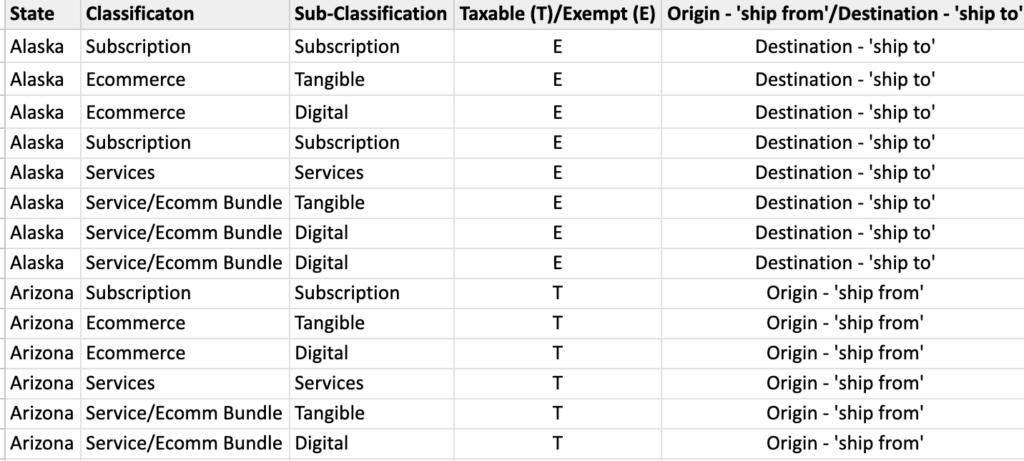
First, compile a detailed list of states your e-commerce platform operates in and identify which are origin-based and which are destination-based. This will guide your testing process, as the tax calculation logic will differ.
For example,
-
Step 2: Create Testing Scenarios
Develop comprehensive testing scenarios that reflect various sales conditions. Here’s what you should consider:
– Different Locations: Create scenarios for shipping products to and from different jurisdictions, especially focusing on states with different tax rules.
– Varied Products: Since product taxability can differ, include various types of products in your tests, such as taxable, non-taxable (exempt), etc.
– Special Conditions: Test conditions like applying discounts, handling returns, and shipping to tax-exempt organizations.
-
Step 3: Utilize automated testing tools
Leverage automated testing tools to simulate purchases and tax calculations across different scenarios. Automation is crucial due to the volume of transactions and the variability of tax rules across jurisdictions. Tools like Selenium, TestComplete, or custom scripts can help automate these checks. Using Postman to validate Sales Tax calculations via Sales Tax API
For example,

-
Step 4: Test and Verify Calculations
Develop comprehensive test scenarios that simulate real-world transactions. These should include:
- Variety in Shipping Locations: For destination-based tax, simulate shipping to different jurisdictions.
- Type of Products Sold: Since tax rates may vary by product type (e.g., physical product, digital product, combination case on package, self-fulfilled product, etc.), include a variety of products in your testing.
- Special Cases: Include scenarios like applying coupon, buyer give discount on order, and shipping to tax-exempt entities, requesting to change shipping method, requesting to change shipping/billing address, or requesting to adjust order like removing item, adding more item, etc.
– Check Tax transaction synchronization between systems (e.g., transaction date, amount, tax rate, tax amount, customer details).
– Check the frequency of synchronization (real-time, hourly, daily).
-
Step 5: Document and Report
Maintain clear documentation of all test cases, including the scenario, expected outcome, actual outcome, and any discrepancies. This documentation is crucial for debugging issues, refining the platform, and complying with audit requirements.
-
Step 6: Regular Updates and Regression Testing
Tax laws change frequently, and it’s essential to update your testing scenarios accordingly. Regularly review and update your tax calculation logic and test cases. Perform regression testing to ensure that updates do not break existing functionality.
Conclusion
Testing for correct sales tax calculation in e-commerce is a complex but crucial task that requires meticulous planning and execution. As a QA professional, understanding the nuances of origin-based and destination-based sales tax is key to ensuring that your e-commerce platform remains compliant with state laws and regulations. By implementing a robust testing strategy and keeping abreast of tax law changes, you can help safeguard your company against legal issues while ensuring accuracy and customer satisfaction in every transaction.