


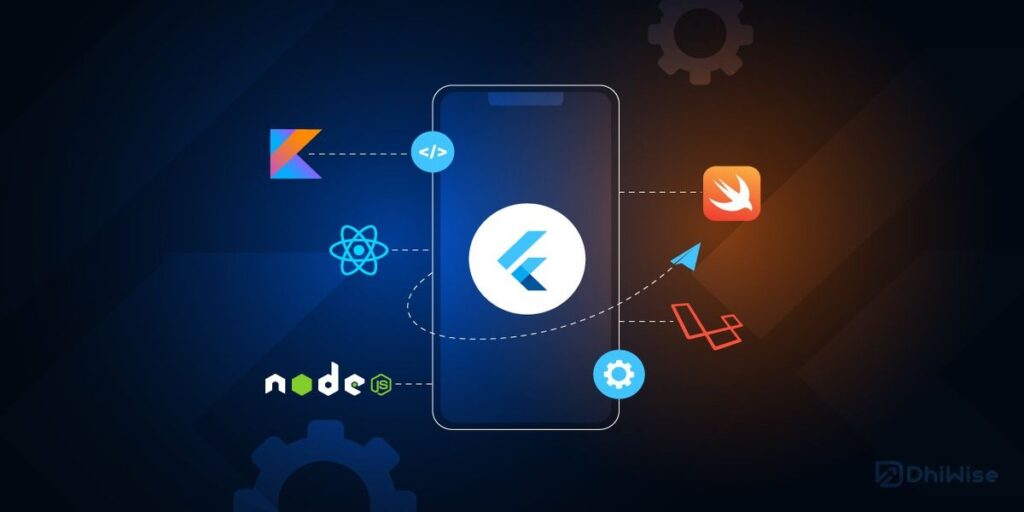
Flutter is a effective and popular open-source framework developed by way of Google, designed to build natively compiled programs for mobile, web, and laptop from a single codebase. Since its initial release in 2017, it has unexpectedly received traction amongst developers because of its expressive UI, fast improvement skills, and native performance.
What is Flutter?
Flutter uses the Dart programming language, also advanced with the aid of Google, which is optimized for constructing cellular, computing device, server, and web packages. The key components of Flutter encompass:
Flutter Framework: A UI toolkit for constructing natively compiled programs across mobile, internet, and computer from a single codebase.
Dart Language: A client-optimized programming language for fast apps on any platform.
Flutter Engine: A transportable runtime for web hosting Flutter packages, written in C .
Key Features of Flutter
1. Hot Reload
Flutter’s Hot Reload characteristic permits developers to peer the changes made within the code without delay contemplated in the app with out restarting it. This accelerates the improvement procedure and enhances productivity.
2. Expressive and Flexible UI
It affords a rich set of pre-designed widgets that comply with modern design principles. These widgets can be custom designed to create complex UIs conveniently. The framework additionally supports custom widgets, giving developers the flexibility to create unique person stories.
3. Native Performance
It programs are compiled to local ARM code, ensuring high performance on each Android and iOS platforms. The framework leverages the GPU to render UI, imparting easy and responsive programs.
4. Single Codebase for Multiple Platforms
With it, you can write your code as soon as and set up it throughout multiple systems, such as iOS, Android, internet, and computer. This notably reduces improvement time and effort.
5. Rich Set of Plugins
It has a widespread environment of packages and plugins that provide functionalities like navigation, nation management, and integration with native tool capabilities. This permits developers to fast add functions to their applications with out writing widespread code.
Getting Started with Flutter
To start building applications with this, follow these steps:
1. Installation
Download and install Flutter SDK from the official Flutter website. Follow the installation instructions for your operating system.
2. Set Up an Editor
It supports more than one IDEs, which include Android Studio, IntelliJ IDEA, and Visual Studio Code. Install the Flutter and Dart plugins in your preferred editor to get a smooth improvement experience.
3. Create a New Flutter Project
Use the Flutter CLI to create a new project. Open your terminal and run:
flutter create my_flutter_app
4. Run the Application
Navigate to the project directory and run the following command to start your application:
cd my_flutter_app
flutter run
You can also run the app in an emulator or on a connected device.
Conclusion
It is revolutionizing the way builders build programs through presenting a single codebase for more than one structures, speedy improvement cycles with hot reload, and a rich set of pre-designed and customizable widgets. Whether you are a seasoned developer or simply beginning, it presents the tools and flexibility to create beautiful packages without problems. Dive into Flutter these days and start constructing lovely, excessive-overall performance programs!
Finally, for more such updates and to read more about such topics, please follow our LinkedIn page Frontend Competency