


In the dynamic field of natural language processing (NLP), the ability to create, manage, and deploy intelligent agents is paramount. LangChain, a powerful framework designed for seamless NLP model development, offers a robust Agent Module that streamlines these processes. This blog will delve into the concept of the Agent Module in LangChain, highlighting its features, benefits, and practical applications.
What is the Agent Module in LangChain?
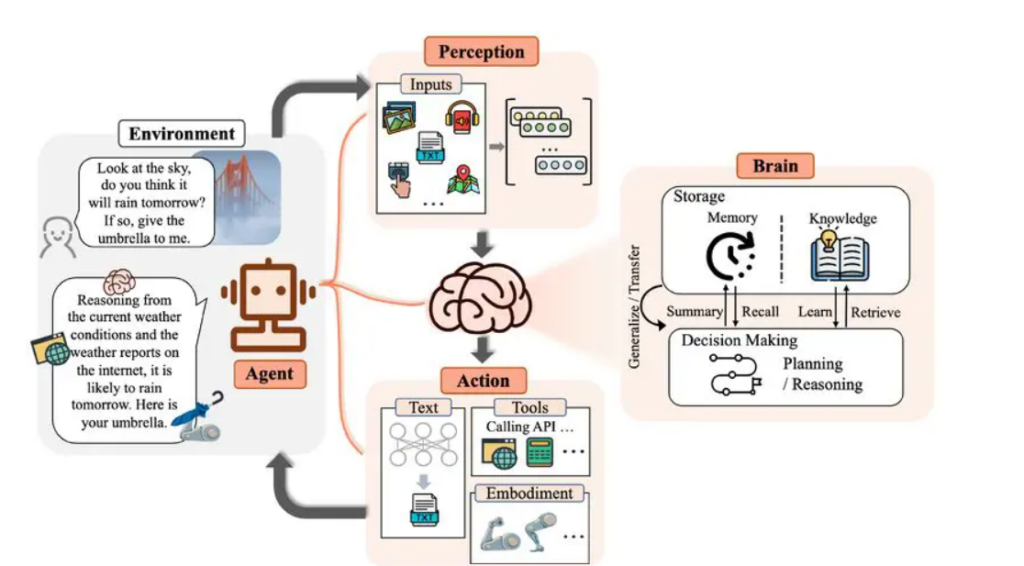
The Agent Module in LangChain is designed to simplify the creation, management, and deployment of intelligent agents for various NLP tasks. An intelligent agent in this context refers to a system that can perceive its environment, reason about its observations, and act autonomously to achieve specific goals. LangChain’s Agent Module provides the infrastructure needed to build such systems efficiently.
Key Features of the Agent Module
1. Modular Architecture
The Agent Module is built on a modular architecture, allowing developers to plug and play different components as needed. This modularity makes it easy to customize and extend the functionality of agents, catering to specific application requirements.
2. Pre-built Agents
LangChain offers a library of pre-built agents for common NLP tasks such as text classification, sentiment analysis, named entity recognition (NER), and more. These pre-built agents serve as a great starting point for developing custom solutions, saving time and effort.
3. Custom Agent Development
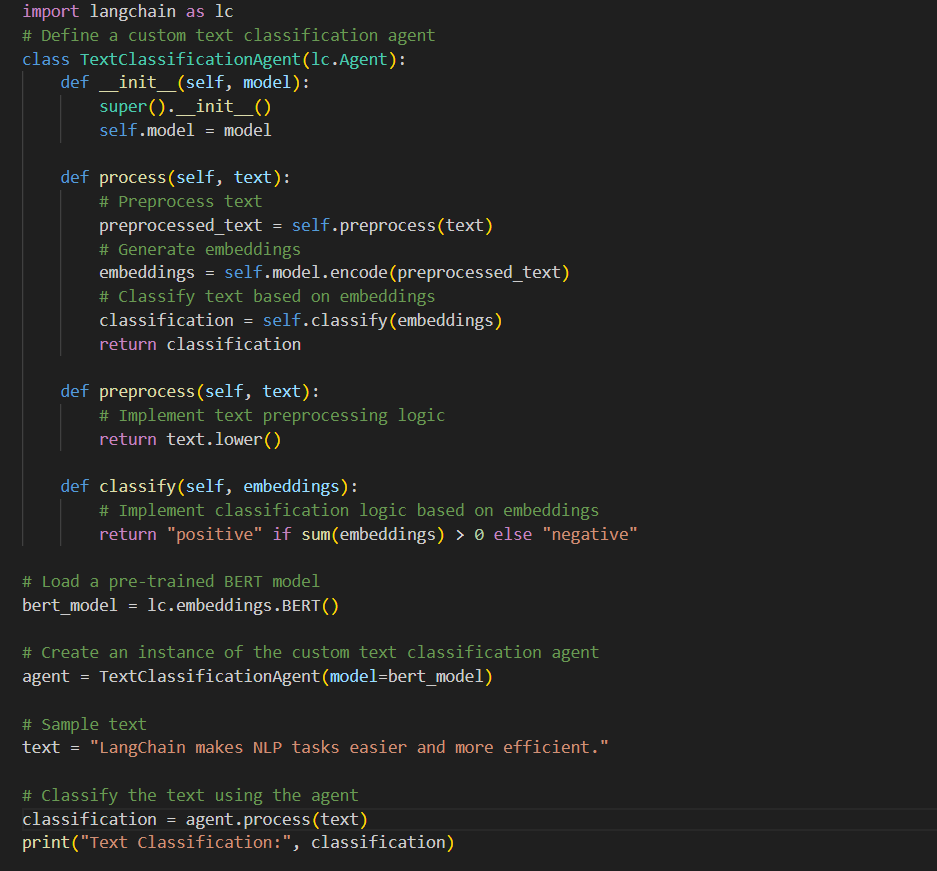
For specialized use cases, LangChain enables developers to create custom agents. The framework provides the necessary tools and interfaces to define agent behavior, integrate custom models, and implement specific decision-making logic.
4. Seamless Integration
The Agent Module is designed to work seamlessly with other components of LangChain, such as embedding techniques, transformers, and data preprocessing tools. This integration ensures a smooth workflow from data ingestion to model deployment.
Benefits of Using the Agent Module
1. Efficiency
The modular and pre-built components of the Agent Module significantly reduce the development time for NLP applications. Developers can leverage existing agents and customize them as needed, rather than building solutions from scratch.
2. Scalability
LangChain’s Agent Module supports the deployment of agents at scale. Whether you’re developing a small application or a large-scale system, the framework provides the necessary infrastructure to manage and scale intelligent agents effectively.
3. Flexibility
The ability to create custom agents allows developers to address unique challenges and requirements specific to their domain. This flexibility ensures that the solutions built with LangChain are not only efficient but also highly relevant to the problem at hand.
4. Robustness
The integration of state-of-the-art NLP models and techniques ensures that agents developed using LangChain are robust and capable of handling complex language tasks with high accuracy.
Practical Example
Conclusion
The Agent Module in LangChain provides a powerful and flexible framework for developing intelligent agents in NLP. Its modular architecture, pre-built components, and seamless integration with other LangChain tools make it an invaluable resource for both novice and experienced developers. Whether you’re working on text classification, sentiment analysis, or any other NLP task, the Agent Module simplifies the process, enabling you to build robust and scalable solutions with ease.