



Introduction
The importance of web accessibility in today’s digital era cannot be overstated. Websites need to be designed to be inclusive and accessible to all users, as the internet becomes a more and more important part of our everyday lives. However, achieving this goal presents challenges, especially when it comes to accessibility testing. In this blog, we’ll explore some of the adjustments necessary to ensure our website is accessible to everyone.
Understanding Diverse User Needs
Ensuring that your website is accessible to all users, whatever how they access it. This means being aware of different ways users engage with your website so you need to improve the knowledge about what are disabilities like difficulty seeing, hearing, or only able to use a keyboard and try to understand how they can interact with your website to you can make it better for everyone.
Complexity of Web Content
These days, complex things on websites frequently contains multimedia, interactive elements and dynamic content. It can be difficult to ensure accessibility for all components of the website, especially when working with third-party plugins or embedded content.
Technical Knowledge
Experience with web development languages (such as HTML, CSS, JavaScript …) and experience with accessibility guidelines are usually required for accessibility testing. applying testing methods and tools properly may need specific knowledge.
Compatibility Across Devices and Browsers

Testing becomes more challenging especially when it is about ensuring accessibility across many different devices (desktops, tablets, cellphones), as well as web browsers. Accessibility features may be handled differently by different browsers and devices, requiring thorough testing across several platforms.
Testing Tools Limitations
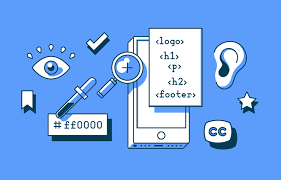
Given the large number of automated accessibilities testing tools available, their accuracy and ability to identify all accessibility problems may be missing. It is often needed for people with disabilities to perform manual testing in order to accurately identify accessibility problems.
Time and Resource Constraints
Thorough accessibility testing can require a lot of time and resources to complete. Utilizing the time and resources to fully test accessibility can be difficult for teams, especially in agile development conditions where deadlines are of extreme importance.
Staying Up to Date with Standards and Best Practices
Best practices and standards for accessibility testing will be changing from time to time. It can be difficult to stay current with the most recent guidelines and suggestions, but doing so is necessary to make sure that your website continues to be used by everyone.
Conclusion
There are several challenges to overcome in accessibility testing, from figuring out different user requirements to managing resource limitations and technological complexity. But if you want to make sure that your website is inclusive and usable by everyone, you must overcome these challenges. Through proactive resolution of these issues and comprehensive accessibility testing, we can build a web that is truly accessible.
References
- https://www.google.com/url?sa=i&url=https%3A%2F%2Fm16marketing.com%2Fdigital-marketing-blog%2Fwebsite-accessibility-the-4-fundamental-principles-of-the-web-content-accessibility-guidelines-wcag%2F&psig=AOvVaw1WXrLOgYDy9Ayj6acElIcK&ust=1713942205440000&source=images&cd=vfe&opi=89978449&ved=0CBQQjhxqFwoTCNin27ri14UDFQAAAAAdAAAAABAE
- https://www.freecodecamp.org/news/cross-browser-compatibility-testing-best-practices-for-web-developers/
- https://www.google.com/url?sa=i&url=https%3A%2F%2Fmedium.com%2F%40faria.faria9%2Fweb-accessibility-testing-tools-and-techniques-introduction-to-web-accessibility-b867698d6b84&psig=AOvVaw3QigwfO8DQ4lZyLDAu6wtB&ust=1713942381836000&source=images&cd=vfe&opi=89978449&ved=0CBIQjRxqFwoTCMC_p4_j14UDFQAAAAAdAAAAABAE