


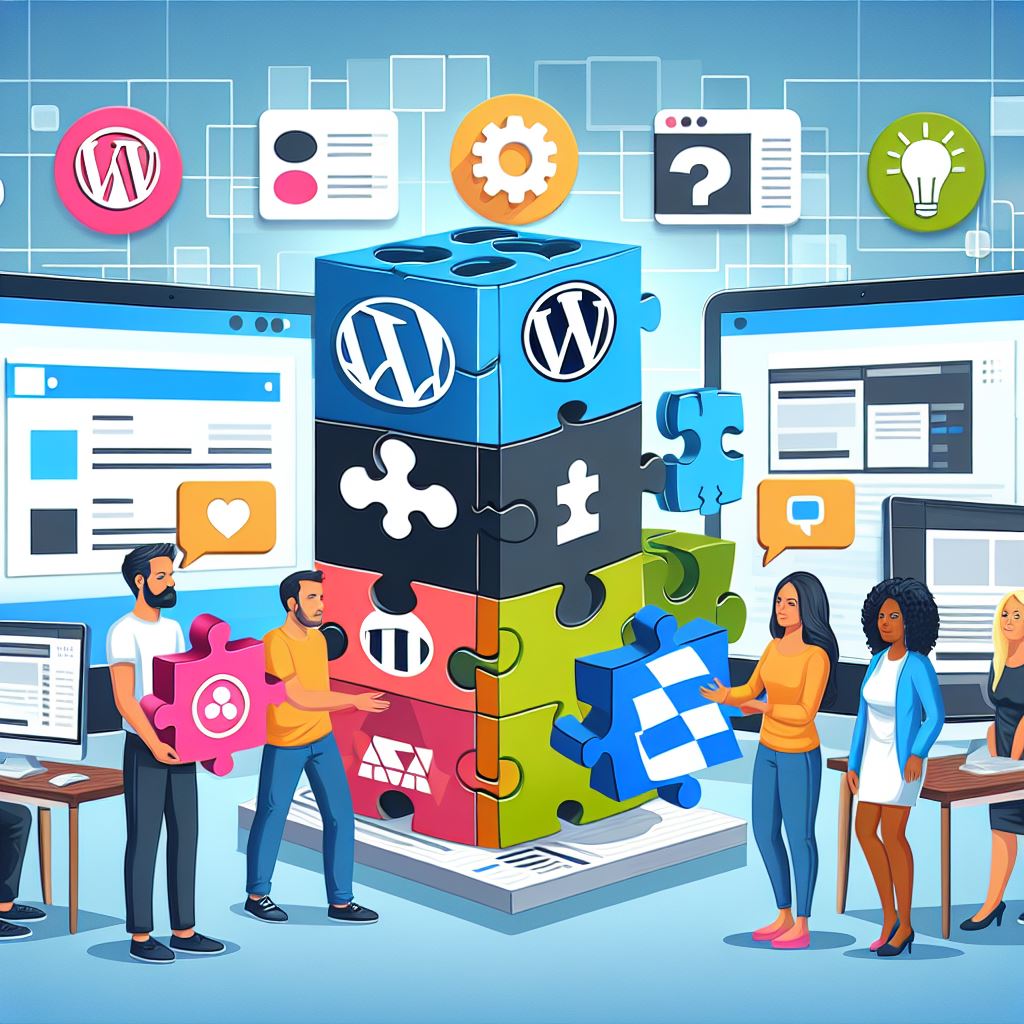
In today’s digital environment, maintaining a robust online presence is essential for businesses, organizations, and individuals alike. A Content Management System (CMS) streamlines the process of creating, managing, and maintaining websites. With numerous CMS platforms available, selecting the right one can feel overwhelming. This guide will help you find the best CMS platform tailored to your needs by evaluating aspects such as ease of use, flexibility, scalability, and more.
What is a CMS?
A Content Management System (CMS) is a software application that enables users to create, edit, manage, and publish web content without requiring advanced technical skills. CMS platforms simplify website development by offering user-friendly interfaces that minimize the need for coding.

Key Factors to Consider When Choosing a CMS
When choosing a CMS platform, consider these key factors:
- Ease of Use: Is the CMS beginner-friendly? Does it have a user-friendly interface and intuitive features?
- Customization: How flexible is the platform in terms of design and functionality? Are there themes, templates, or plugins available?
- Scalability: Will the CMS grow with your business or website? Can it handle increased traffic and content over time?
- Security: How secure is the CMS? Does it offer regular updates and protection against security vulnerabilities?
- SEO-Friendliness: Does the CMS help you optimize your website for search engines?
- Support: What kind of support is available? Is there a large user community, or is there dedicated customer support?
Types of CMS Platforms
Open Source CMS
Open-source CMS platforms are available at no cost and grant users complete access to the source code. This gives users the flexibility to modify and extend the platform’s functionality. Examples include WordPress, Umbraco, and Drupal.
Proprietary CMS
Proprietary CMS platforms are commercial solutions that usually necessitate a subscription or license. While these platforms provide dedicated support, they often come with restrictions on customization options. Examples include Sitecore, Sitefinity, and Adobe Experience Manager.
Headless CMS
Headless CMS platforms separate content management from the frontend, enabling content delivery through APIs to any device or platform. This method is particularly suited for developers aiming to distribute content across various platforms effectively. Examples include Contentful and Strapi.
Popular CMS Platforms
Sitecore
Best for: Enterprises needing omnichannel customer experiences.
Pros: Powerful personalization features, excellent for large-scale businesses, built-in analytics and marketing tools.
Cons: High cost, steep learning curve for beginners.
Umbraco
Best for: Developers and enterprises seeking flexibility.
Pros: Open-source, highly customizable, strong developer tools, scalable.
Cons: Steeper learning curve for beginners.
WordPress
Best for: Bloggers, small businesses, and large enterprises.
Pros: Easy to use, highly customizable with themes and plugins, large community support.
Cons: Requires plugins for advanced features, security vulnerabilities if not updated.
Drupal
Best for: Large, complex websites with high customization needs.
Pros: Extremely flexible and powerful, excellent for handling large volumes of content, strong security features.
Cons: Not beginner-friendly, requires technical expertise.
Sitefinity
Best for: Enterprises looking for high security and flexibility.
Pros: Scalable, easy content editing, good security features.
Cons: Higher cost compared to open-source platforms, fewer themes.
Strapi
Best for: Developers wanting headless CMS for API-first applications.
Pros: Open-source, highly customizable, headless architecture for content delivery across platforms.
Cons: Technical knowledge required, limited community compared to older platforms.
Adobe Experience Manager (AEM)
Best for: Large organizations needing a robust content and marketing platform.
Pros: Excellent for managing large-scale content, integration with Adobe products, personalization features.
Cons: Very expensive, requires extensive technical expertise.
Contentful
Best for: Developers seeking a flexible headless CMS for omnichannel content.
Pros: API-first approach, great for multi-platform content delivery, highly customizable.
Cons: Lacks a traditional website-building interface, requires coding knowledge.
Liferay
Best for: Enterprises focusing on digital experience platforms and portals.
Pros: Great for intranet portals, personalization, and integration capabilities.
Cons: Requires technical expertise to set up and manage.
Kentico
Best for: Businesses seeking an all-in-one platform for content management and digital marketing.
Pros: Robust marketing tools, flexible customization, scalable.
Cons: High cost, not as intuitive for beginners.
Optimizely
Best for: Enterprises focused on A/B testing and data-driven optimization.
Pros: Excellent testing and personalization tools, supports large-scale websites.
Cons: Expensive, requires technical expertise.
Orchard Core
Best for: Developers looking for a modular, open-source CMS.
Pros: Highly customizable, modular, great for developers building unique solutions.
Cons: Requires significant technical expertise.
Magento
Best for: Large e-commerce businesses.
Pros: Extremely powerful e-commerce features, highly scalable, customizable.
Cons: Complex to manage, requires technical expertise, high cost for enterprise versions.
Shopify
Best for: Small to medium-sized e-commerce businesses.
Pros: Easy to set up and manage, built-in e-commerce features, reliable hosting.
Cons: Limited customization compared to open-source platforms, monthly fees.
How to Choose the Right CMS for Your Needs
For Bloggers and Small Websites
Recommended CMS: WordPress
WordPress is ideal for bloggers, portfolio sites, or small businesses due to its ease of use, extensive plugin options, and customizability.
For E-Commerce Businesses
Recommended CMS: Shopify or Magento
Shopify offers everything needed to create an online store, while Magento provides powerful e-commerce functionality for large businesses with complex requirements.
For Enterprises
Recommended CMS: Sitecore, Adobe Experience Manager, or Kentico
These platforms provide the scalability, security, and flexibility required for enterprise-level websites with large amounts of content and traffic.
For Developers and Agencies
Recommended CMS: Umbraco, Strapi, or Orchard Core
Umbraco offers great flexibility for developers looking to build custom solutions, while headless CMS platforms like Strapi or Orchard Core provide control over content delivery for multi-platform applications.
Conclusion
Choosing the best CMS platform depends on your specific needs, goals, and technical expertise. WordPress may be the right choice if you’re looking for simplicity and flexibility. For e-commerce, Shopify and Magento offer great solutions for different business sizes, while Sitecore, Umbraco, and Kentico cater to enterprises. Understanding your priorities in terms of ease of use, scalability, customization, and security will help you make an informed decision and ensure your website’s success.