


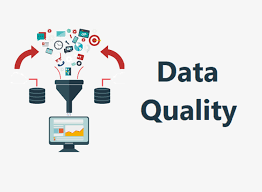
Introduction to Data quality and its importance
We live in a time where nearly everything we decide, even the little things, has something to do with information. It might be about what people like, where stuff needs to go, or how we deal with day-to-day problems. In all of this, data quietly does a lot of the work.
One thing which is not getting attention is the quality of that data. It is really about how trustworthy and accurate the information is.
One excellent example is cooking. If the materials are new and in good shape, the result is what was expected. The meal could be ruined if there is anything wrong, such as stale vegetables or rotten milk. Data functions similarly. The result suffers if the quality is not correct.
This blog post explores data quality and why it matters in our world shaped by information. We depend on data, so it is vital to understand its value. The idea will be broken into simple parts to help make sense of it. When the data is right, it can feel like a hidden advantage. This insight helps with making better choices.
What is Data Quality?
Data quality is really about how correct and trustworthy our information is. It means making sure the data we are working with is complete and not full of mistakes. We would not trust a dodgy car to get us where we need to be, would we? It is the same with data. We need it to be solid if we are dependent on decisions on it. If the data is off, then chances are the decisions will be too. Good data helps us stay on track, a bit like a sat nav that actually does its job and does not send us the wrong way.
The Consequences of Poor Data Quality:
– Inaccurate Decisions
– Customer Frustration
– Legal and Compliance Issues
– Wasted Resources
– Missed Opportunities.
End of the day it is really about using the data we can rely on. If quality is there, we make stronger choices, which avoids a lot of hassle and spot the good openings when they come. But when the data is not right, things slip. We get stuff wrong,g people get annoyed, and we miss things we should have caught. In a world driven by data, those things really do matter.
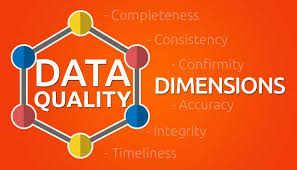
The Dimensions of Data Quality:
End of the day, it is really about using the data we can rely on. If quality is there, we make stronger choices, which avoids a lot of hassle and spot the good openings when they come. But when the data is not right, things slip. We get stuff wrong, people get annoyed, and we miss things we should have caught. In a world where data guides so much of what we do, these things genuinely matter.
The quality of the data we gather is more crucial now than it has ever been. Bad data quality can result in incorrect conclusions, bad choices, and a decline in public confidence in the information our company offers.
Understanding the different sides of data quality is crucial. They affect how reliable and trustworthy we are as a team or business. Data quality matters in more than one area:
Making decisions: Accurate information helps us make better decisions. Inaccurate conclusions are sometimes the result of inaccurate data.
Compliance: Many industries have strict data standards. This is true in industries like finance and healthcare where mistakes are not accepted.
Customer satisfaction: Customers are more likely to have a positive thought when the data is correct. It results in avoiding errors in communication and service.
Operational efficiency: If our data is already correct, we spend less time fixing it. That means fewer delays and less manual work.
Competitive advantage: When we work with good data, we can use it better. That means stronger analysis and better decisions, which can help us stay ahead.
Resolving the data quality issues increases the usage of our information.
The Importance of Data Quality:
Data accuracy is the foundation for every decision an organisation makes. Information that is inaccurate or lacking correctness can cloud judgment and lead to costly mistakes.
Correct data helps companies do a better job with their customers. When the details are right, like knowing what someone bought before or having the correct contact info, the experience feels more personal and smoother. But when the data is wrong, problems can happen. Orders might not turn up, adverts might not make sense, and customers might get upset.
Good data helps us work better. When the information is clear and correct, tasks are easier to manage, and we do not have to fix as many mistakes by hand.
In a busy market, good data really helps. It lets businesses understand people better and choose what to do more wisely. This puts them ahead of others who are working with confusing or wrong information.
Real-World Examples
Netflix: Making the Experience Personal
Netflix uses data to give each person a better experience. By keeping their data accurate and up to date, they can show shows and films which people are more likely to enjoy. This keeps people watching and helps stop them from leaving.
Walmart: Managing Stock Better
Walmart uses good data to know what they have and what people are buying. This helps them stop things from running out or having too many items left over.
To sum up, learning about the parts of data quality and why it matters is a big step towards using data well. It is not just a tech problem. It is something that really matters for how businesses and organisations work today.
When we understand things like how correct, complete, clear, and up-to-date our data is, we are not just dealing with facts. We are working with something we can actually use. Knowing how important good data is helps us make better choices, work more smoothly, and spot chances we might miss otherwise.
Useful links
https://blog.nashtechglobal.com/category/quality-solutions/page/2/