


Image Credit: https://www.softwaretestingmaterial.com/quality-assurance-vs-quality-control/
Introduction
In the modern world of software quality management, the terms Quality Assurance (QA) and Quality Control (QC) are often used interchangeably.
However, they represent different concepts with unique roles and responsibilities. While they have similar intentions, QA and QC take different approaches to deliver the highest quality products to customers.
Understanding the differences between QA and QC is crucial for ensuring the highest standards in product and service delivery.
In this article, we will explore the distinction between QA and QC in software quality management to ensure quality throughout the product development cycle.
What is Quality Assurance (QA)?
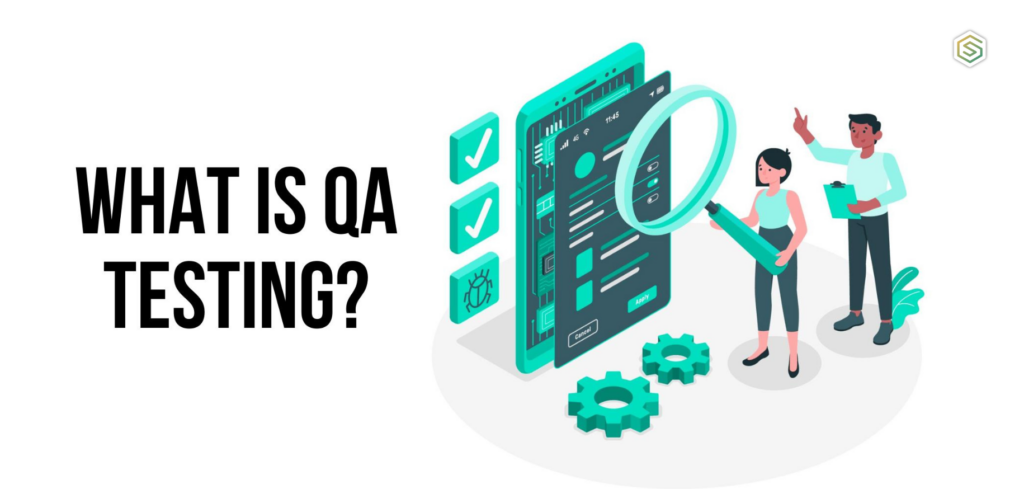
Image Credit: https://codesuite.org/blogs/role-of-quality-assurance-in-software-development-life-cycle/
Quality Assurance (QA) is an approach that focuses on the prevention of defect in the software development cycle.
A systematic implementation is planned ahead to ensure that consistent quality is met. QA aims to provide confidence to both internal management and external stakeholders that the quality standards will be fulfilled.
Business-speaking, QA is a methodology to set the guideline, standard, protocols …. for every step of the software development process. By focusing on prevention rather than detection, QA is expected to discover potential issues before they may have a chance to impact the development process.
What is Quality Control (QC)?
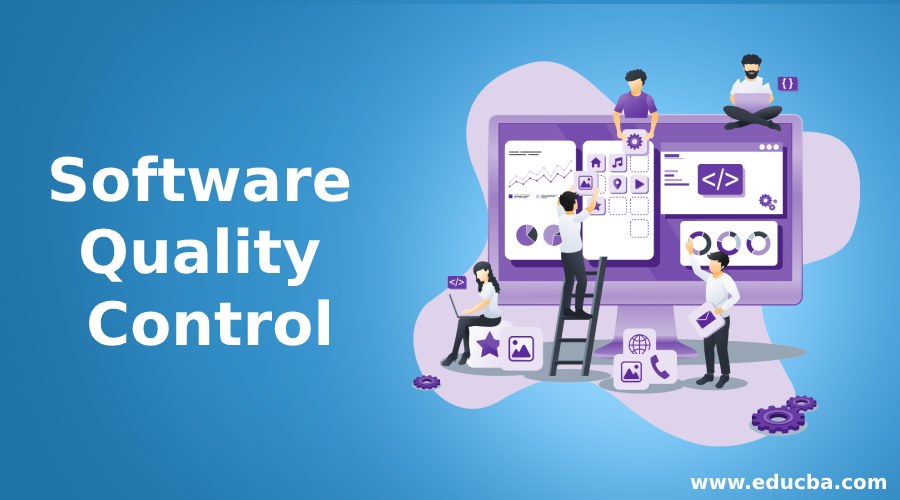
Image Credit: https://www.educba.com/software-quality-control/
Quality Control (QC), on the other hand, is a product-oriented approach that focuses on identifying and correcting defects in the final products or services.
QC is a set of methodology approach and procedures to meet the quality standard of the products during or after production phase. It is often viewed as a process of detection rather than prevention. QC involve testing, inspection, validation throughout the development process to discover and address any defect from requirements.
In the QC process, once the development phase is completed, it must pass the test to evaluate its efficiency, which will be included in test report to decide whether to accept or reject the product.
Key difference Between QA and QC
Image Credit: https://www.shiksha.com/online-courses/articles/quality-assurance-vs-quality-control/
| QA | QC | |
| Goal | Prevent defection and ensure quality through process standard | Prevent, identify and address defect by examining the product itself |
| Approach | Proactive | Reactive |
| Focus | Method/procedure to produce consistence quality | Result and verification of the product itself |
| Responsibility | Whole team | Whole Team |
| Duration | Throughout the project life cycle | Throughout the project life cycle |
| Orientation | Process Oriented | Product Oriented |
| Emphasis | Defect prevention | Defect Detection and Correction |
| Aim | Manage the working process | Verify the quality |
Similarities Between QA and QC
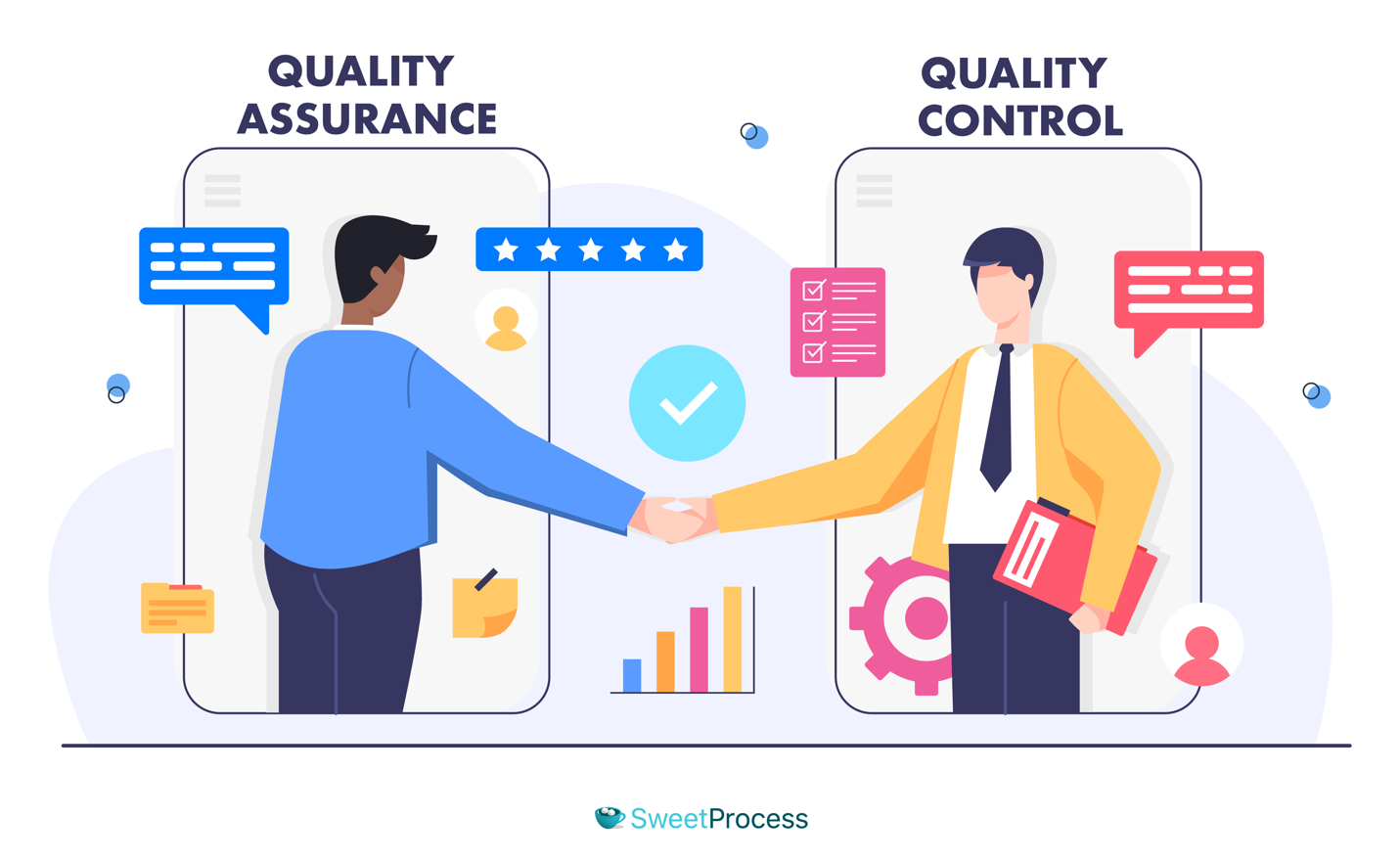
Image Credit: https://www.sweetprocess.com/quality-assurance-vs-quality-control/
- Deliver products with high quality and ensure customer satisfaction
- Significantly reduce potential issues and cost by detecting and address defects as early as possible, the cost will be minimized significantly.
- Adhere to standard procedures established by organizations to ensure consistent quality.
- Offer opportunities to improve defect detection, requirements feedback, customer experience to become more efficient and effective.
Which comes first: QA or QC?
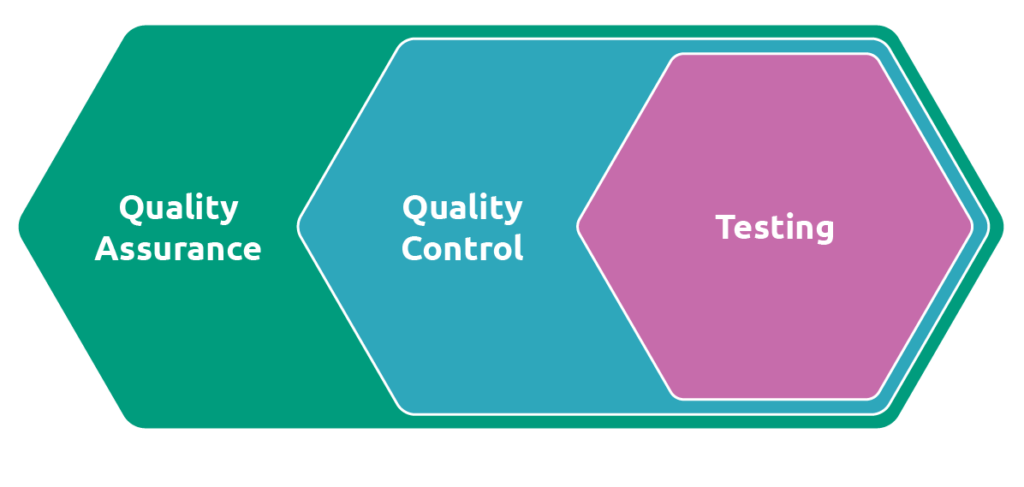
Image Credit: https://www.triad.co.uk/news/testing-vs-qa/
QA process must be completed for the QC process to start. QA and QC are both important part of quality management.
QA is all about defining procedures, standard, process that MUST be followed through the Project Lifecycle. QA engineer will not work directly on the products.
On the other hand, QC is all about putting all of the above procedures, standard, process into PRACTICE. QC engineer is the one that will work directly on the products.
In modern quality management, both complement each other.
Hence, QA and QC go hand-in-hand to ensure the highest quality for the product.
Conclusion
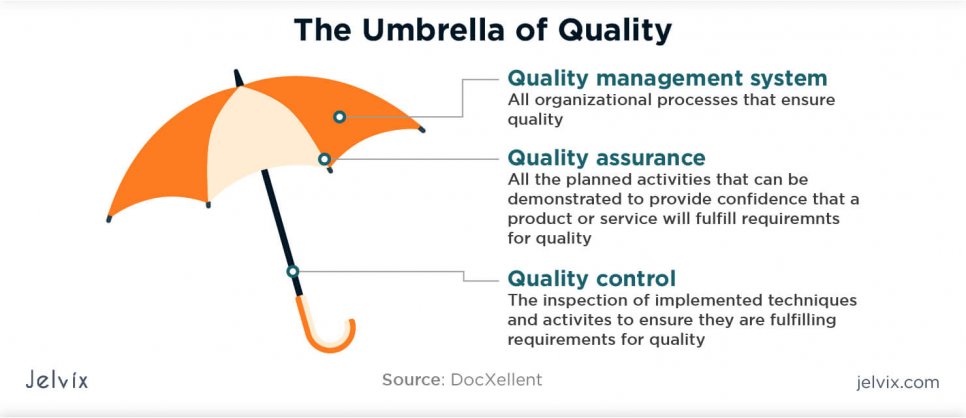
Image Credit: https://jelvix.com/blog/quality-assurance-vs-quality-control
Both QA and QC are essential components of software testing, or quality management as a whole, although they serve different purposes.
However, they do have the same goal; to ensure development and delivery of a high-quality product to the customer. QA aims to prevent defects by focusing on processes, while QC aims to detect and correct defects in the final product.
By understanding and implementing both QA and QC, software development teams can ensure that their products meet the highest quality standards, leading to increased customer satisfaction and trust.
Especially with Agile development, it is important to have QA implement at very early stages of the development lifecycle.
We hope this article has helped you understand the thin line between QA and QC. Still, if you have any queries, let us know in the comments below.