


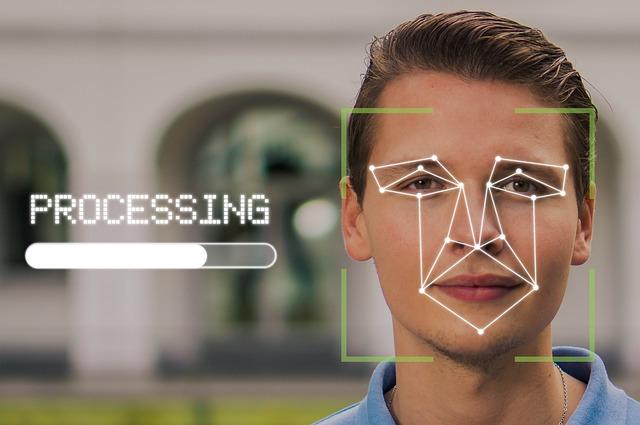
Discover Photos Instantly with AI-Powered Facial Search
Imagine this: You’ve just finished a marathon. Thousands of photos are uploaded from the event, but all you want is to find your own moments on the track. Instead of scrolling through endless galleries, what if you could simply upload a selfie—or even enter your bib number—and instantly see all your photos?
That’s the power of AI-powered facial search.
Why It Matters
- Save time: No more browsing hundreds or even thousands of images manually.
- Personalized results: AI recognizes your face and brings your moments directly to you.
- Convenience: Works not only for sports events but also for schools, concerts, conferences, and more.
Real-Life Examples
- Running Events: Upload a quick selfie, and the system finds every photo of you from the race—even if your bib is half-covered.
- School Photo Galleries: Parents can easily search for their child’s images among thousands of students with just one reference photo.
- Corporate or Social Events: Quickly find all your appearances without waiting for organizers to send curated albums.
How It Works
AI facial search uses advanced recognition models trained on millions of images. When you upload a photo, the system extracts unique features of the face and compares them across the entire gallery. Within seconds, it finds matches with high accuracy—even if lighting, angles, or backgrounds vary.
The Future of Photo Discovery
Whether you’re an athlete, a parent, or someone attending a large event, facial search transforms the way you find and relive your memories. It’s faster, smarter, and built for a world where photos keep growing in volume.
What Data to Cover When Testing Facial Search
AI works best when it’s tested against realistic and challenging data. Here are key categories of test data you should prepare to ensure the system is reliable:
1. Photo Quality & Conditions
- Lighting variations: bright daylight, low-light, indoor, shadowed.
- Angles: front, side profile, tilted head, partially turned.
- Resolution: high-quality DSLR vs. compressed mobile photos.
- Motion blur: running events often have moving subjects.
2. Face Appearance Changes
- With/without glasses, hats, masks.
- Hair changes: tied, loose, dyed.
- Expressions: smiling, neutral, talking, shouting.
- Aging / time gap: a selfie from months earlier vs. event photos.
3. Crowded & Cluttered Backgrounds
- Single subject vs group shots.
- Background distraction (e.g., lots of people, banners, trees).
- Occlusion: face partially blocked (by another person, hand, object).
4. Event-Specific Edge Cases
- Running bib visibility: fully visible, partially folded, covered.
- Uniforms / costumes: schools, sports teams, cultural events.
- Children vs adults: different age groups, smaller face sizes.
5. Diversity & Fairness
- Skin tones, ethnic backgrounds, genders—to ensure no bias.
- Different age groups: kids, teens, adults, seniors.
6. Database Scale
- Small gallery (hundreds of images) vs. massive gallery (tens of thousands).
- Duplicates: same photo uploaded twice—should the system detect and handle it?
- Near duplicates: burst shots, small changes in lighting.
7. Negative Testing
- No match: uploading a selfie of someone who is not in the gallery.
- False positives: ensuring the system doesn’t return random similar-looking faces.
- Cross-event data: testing with a face from a completely different gallery.
Remember: the quality and diversity of your test data directly determines how reliable your facial search system will be in the real world.
Conclusion
AI-powered facial search is transforming the way we discover and relive our memories. From marathon runners finding their race photos in seconds to parents spotting their child in a sea of school portraits, the technology saves time, increases accuracy, and makes large photo collections truly accessible.
But choosing the right tool—and testing it properly—are just as important as the technology itself. By preparing diverse, challenging, and realistic test data, you ensure the system performs not only in perfect conditions but also in the messy, real-world scenarios that matter most.
At the end of the day, the goal of facial search is simple: to connect people with their memories faster, smarter, and more reliably.