



Introduction to EMV
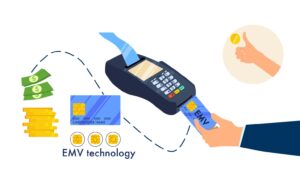
EMV — which stands for Europay, MasterCard, and Visa — is a global standard for credit and debit payment cards based on chip card technology. As of the early 21st century, this standard has been widely adopted worldwide to enhance the security of card-based transactions. EMV cards are equipped with a small integrated circuit or chip that significantly enhances security compared to traditional magnetic stripe cards.
History of EMV
The development of EMV technology can be traced back to the 1980s when the rising tide of credit card fraud prompted major payment networks to seek more secure alternatives to the traditional magnetic stripe card. In 1994, Europay, MasterCard, and Visa collaboratively established the EMV standard, which was aimed at facilitating interoperability between the chip-based cards and terminals used in global payments. The introduction of EMV technology marked a significant shift towards more secure and sophisticated methods of data storage and transaction processing in the financial industry.
The Evolvement of EMV
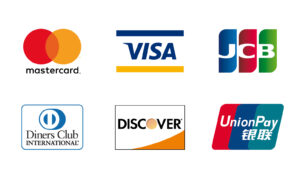
Since its inception, EMV technology has significantly evolved beyond its initial consortium of Europay, MasterCard, and Visa. It now includes a broader range of card schemes such as Discover, American Express, JCB, and Diners Club, each adopting EMV to enhance transaction security across their networks. This expansion is a testament to the technology’s robustness and global appeal. Additionally, EMV has adapted to the digital era by integrating with contactless payment technologies, including NFC for faster, more convenient transactions. The technology is also being incorporated into mobile payment platforms like Apple Pay and Google Wallet, marrying the security of EMV with the convenience of smartphones. Looking forward, further advancements are expected to involve cutting-edge security features, possibly incorporating blockchain technology and AI to better detect and prevent fraud.
How EMV Works?
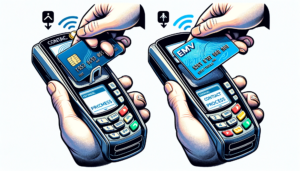
EMV cards can be processed in two ways: either through contact, where the card must be physically inserted into a card reader, or via contactless, where the card is waved over a reader. At its core, the EMV standard is designed to authenticate both the card and the cardholder during the transaction process.
EMV Transaction Process:
- Card Authentication: The terminal reads the chip and ensures the card is valid.
- Cardholder Verification: The system verifies whether the person using the card is the legitimate cardholder.
- Transaction Authorization: A request is sent to the card issuer to authorize the transaction.
This process is underpinned by dynamic data generation, which means that each transaction carries unique data, making it extremely difficult to counterfeit.
Benefits of EMV Technology
EMV technology comes with numerous advantages:
- Increased Security: The chip technology makes it harder for fraudsters to successfully counterfeit cards.
- Global Acceptance: EMV cards are accepted worldwide, offering convenience for international travelers.
- Reduced Fraud: Countries that have adopted EMV technology have seen significant reductions in card-present fraud.
- Versatility: Supports both contact and contactless transactions, providing flexibility for users.
Challenges of EMV Implementation
Despite its benefits, EMV technology also faces several challenges:
- High Costs: The shift from magnetic stripe cards to chip-enabled cards involves substantial costs for card issuers.
- Infrastructure Requirements: Merchants must upgrade their terminals to accept EMV cards, which can be costly.
- Transaction Speed: EMV transactions generally take slightly longer than magnetic stripe transactions, which can lead to longer customer wait times at checkout.
Challenges Testing with EMV
There are a lot of challenges when talking about testing EMV. But here are some common ones that I think everyone could meet:
Complex Testing Requirements
- Challenge: Payment applications must pass a thorough battery of tests as part of the certification process in order to guarantee their security and interoperability. These tests may call for a great deal of technical know-how and resources, and they can be difficult and time-consuming.
- Solution: Use a certified test tool to ensure that your EMV kernel complies with the EMV specification. These tools are designed to automate the testing process and help identify any issues that may prevent your kernel from being certified.
Complex Integration Requirements
- Challenge: EMV systems have to integrate with a lot of payment processors, devices, and terminal types, each with its own set of configurations. Therefore, we need to find the correct one to test for our test case.
- Solution: Prepare and utilize a set of test cases that cover all possible scenarios and terminal configurations. Using some simulation tools that can mimic different payment processors and terminal behavior throughout testing.
Security Vulnerabilities
- Challenge: Since this is support for users’ finances, the security aspect of EMV, including encryption and data protection, is critical and must be rigorously tested.
- Solution: Implement advanced security testing techniques such as penetration testing and vulnerability scanning specifically designed for EMV protocols. Collaborate with security experts to simulate real-world attack scenarios.
User Experience and Transaction Speed
- Challenge: We need to maintain a balance between security measures and transaction speed to ensure that users don’t get so confused when using.
- Solution: Focus on performance testing or load testing to measure the impact of various security features on transaction speed.
Compliance with Global Standards
- Challenge: EMV standards vary slightly between regions and card schemes, making compliance testing complex.
- Solution: Develop a detailed understanding of the specific EMV requirements for each target market and card scheme. Regular updates from standardization bodies should be incorporated into the testing cycle to keep pace with changes.
The Future of EMV
The future of EMV points towards greater integration with mobile and contactless payment technologies. As security standards evolve, EMV technology will likely continue to adapt, incorporating biometric verification and advanced encryption methods to further enhance transaction security.
Conclusion
EMV technology represents a significant step forward in the fight against payment fraud. While there are challenges associated with its implementation, the benefits—particularly in terms of security and international usability—make it a crucial development in the financial technology landscape.
As the technology evolves, consumers and merchants alike can expect more advanced features that will continue to improve security and enhance user convenience.
By embracing EMV, stakeholders in the financial ecosystem can ensure a safer transaction environment and minimize the risks associated with card fraud.
Reference:
- https://divvia.ca/5-advantages-of-using-emv-chip-cards
- https://www.nexpay.uk/insights/story/what-are-card-schemes-and-how-do-they-work/389/