


It can be overwhelming to enter the field of software development because it involves so many different frameworks and methods. Agile software development has recently gained popularity among people like us, offering a more adaptable and team-oriented method of creating software. Let’s take a look at the fundamentals of Agile in this blog, evaluating its fundamental principles, practices, and significant influence on modern software development.
Understanding the Essence of Agile Software Development
Agile software development is fundamentally about being versatile, collaborating closely with clients, and being flexible. Agile development methods promote a more flexible and dynamic approach to development than traditional methods, which mostly rely on complete plans and documentation. It appreciates people and their relationships, concentrates on developing functional software, works directly with clients, and welcomes change as a chance for advancement.
Unveiling the Pillars of Agile Methodology
To grasp the essence of Agile, let’s explore its key principles:
- Customer Collaboration: Agile teams work hand-in-hand with customers throughout the development process. By regularly checking in with customers and incorporating their feedback, teams ensure that the final product meets their needs and expectations.
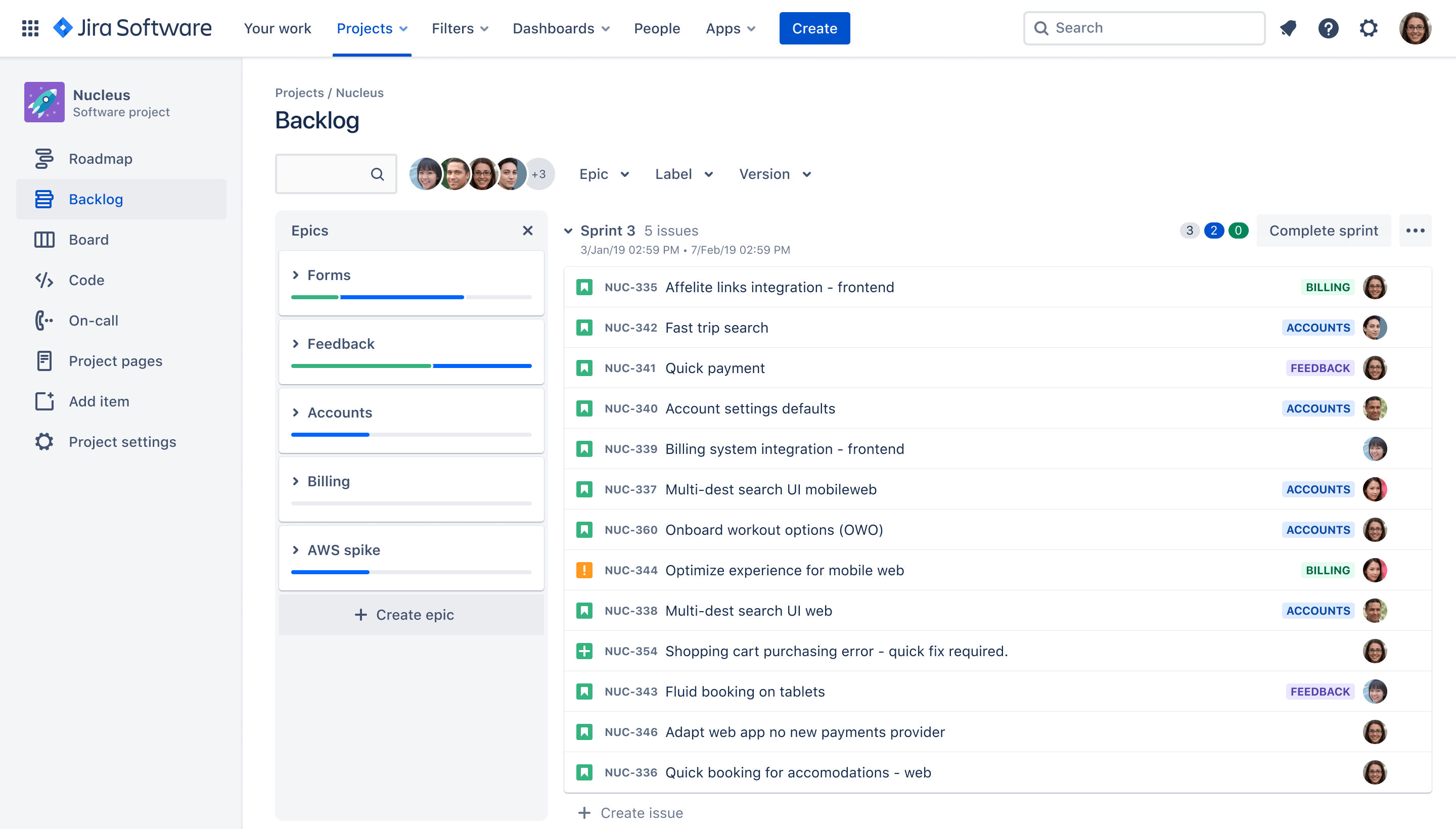
- Iterative Development: Instead of trying to tackle everything at once, Agile breaks down projects into smaller chunks called iterations or sprints. Each iteration results in a usable piece of software, allowing teams to make improvements based on feedback and changing requirements.
- Continuous Feedback and Improvement: Agile thrives on feedback. By regularly reviewing their progress and seeking input from stakeholders, teams can identify areas for improvement and make adjustments to their approach.
- Cross-functional Teams: Agile promotes collaboration among people with different skills and expertise. By bringing together developers, designers, testers, and others, teams can work more efficiently and produce better results.
Exploring Agile Methodologies in Practice
In the Agile world, there are different ways of putting these principles into action:
- Scrum: Scrum is one of the most popular Agile frameworks. It organizes work into short iterations called sprints, with specific roles like the Scrum Master and Product Owner to keep things running smoothly.

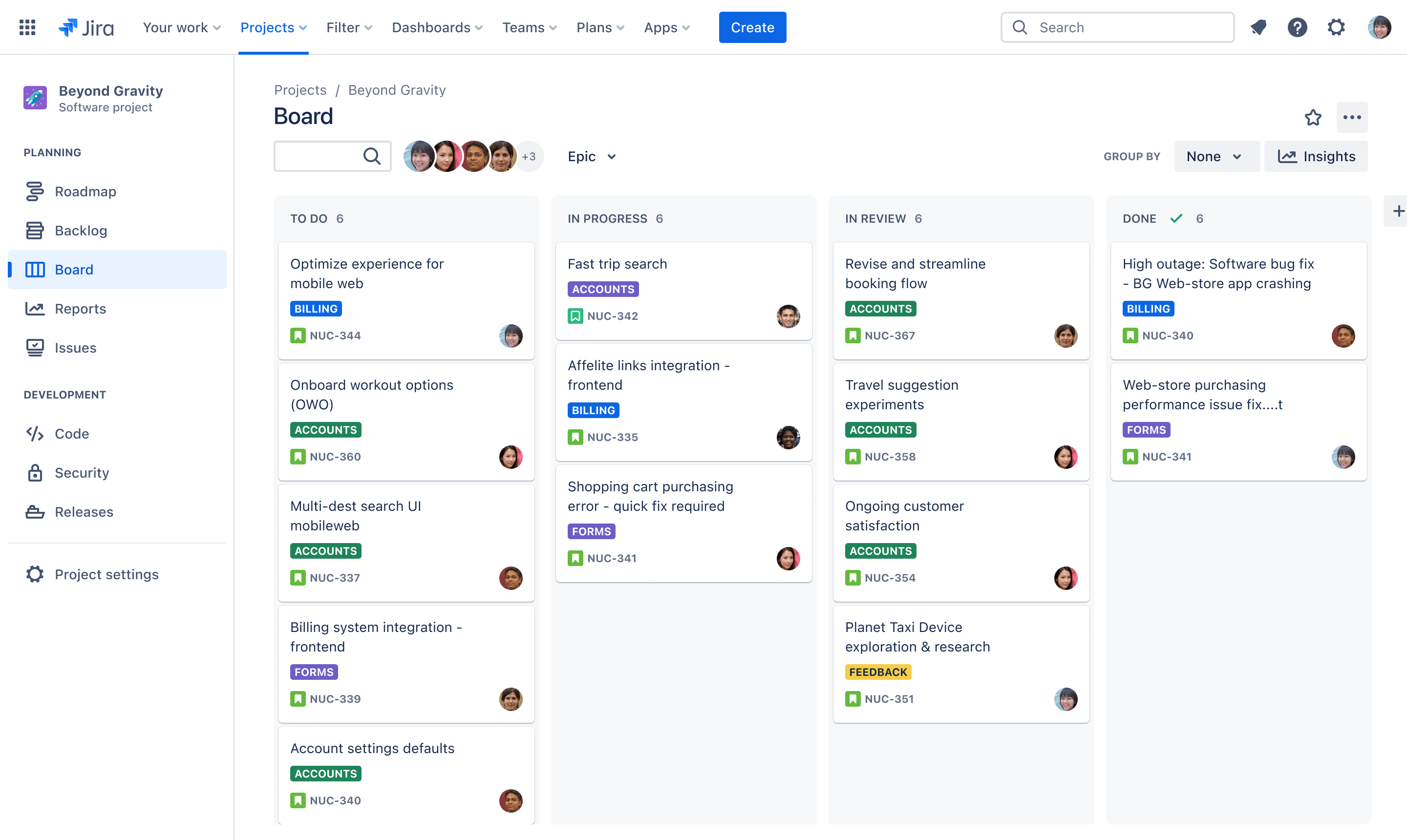
- Kanban: Kanban is like a visual to-do list. Work items move through different stages on a board, making it easy to see what needs to be done and where things might be getting stuck.
- Extreme Programming (XP): Extreme Programming focuses on practices like pair programming and test-driven development to ensure high-quality software. It emphasizes continuous improvement and quick feedback loops.
Embracing the Benefits of Agile in Software Development
The Agile approach offers numerous benefits for teams and organisations:
- Faster Time to Market: By breaking projects into smaller pieces and delivering them incrementally, Agile teams can get valuable software into the hands of customers more quickly.
- Improved Quality: Agile practices like regular testing and feedback help ensure that the software being developed meets high standards of quality and reliability.
- Enhanced Flexibility: Agile allows teams to respond quickly to changes in requirements or priorities, reducing the risk of wasted time and effort on outdated plans.
- Increased Stakeholder Satisfaction: By involving customers and other stakeholders throughout the development process, Agile teams can build stronger relationships and deliver products that better meet their needs.
Conclusion
It’s evident that Agile gives software teams a promising future as we come to the end of our study into Agile software development. Its focus on cooperation, adaptability, and ongoing development closely matches the demands of the fast-paced, constantly-evolving world of today.
Going forward, let’s embrace Agile as a mentality that places importance on people, feedback, and adaptation rather than just as a collection of procedures. We can confidently manage the complexity of software development by embracing Agile concepts and practices, which will improve our product quality and add value for our clients.