


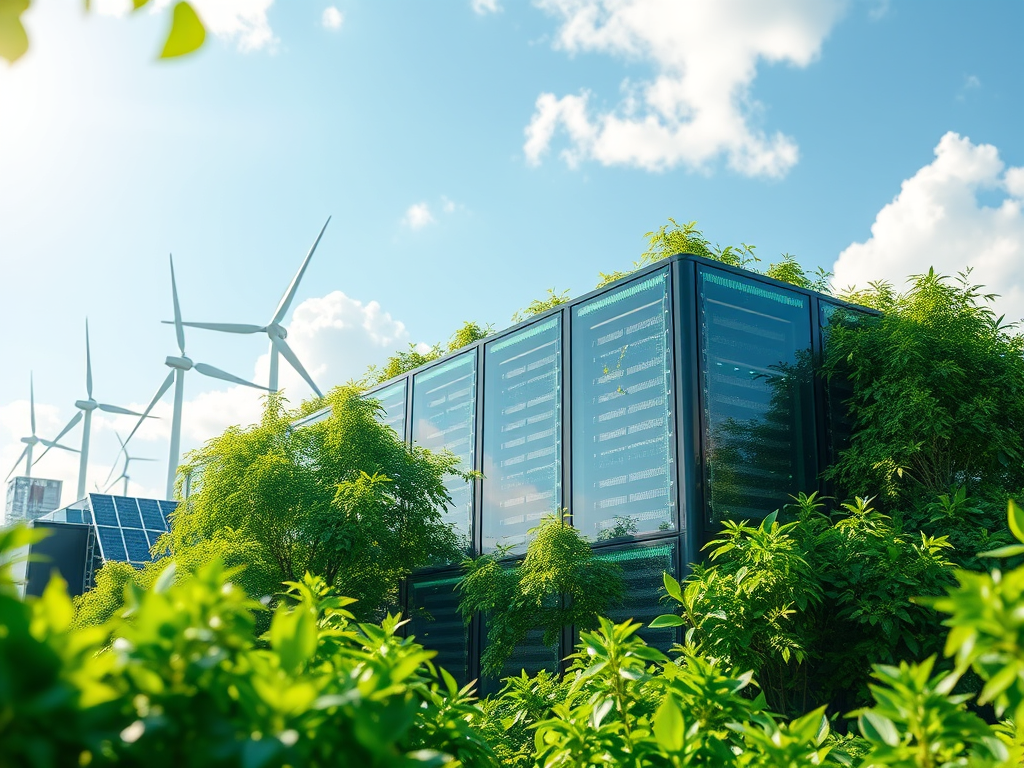
As the world becomes increasingly digital, the demand for cloud computing continues to surge. This rapid growth, while transformative, comes with an environmental cost. Data centers, the backbone of cloud computing, consume vast amounts of energy, contributing significantly to global carbon emissions. Enter Green Cloud Computing – a sustainable approach aimed at reducing the environmental footprint of cloud operations without compromising performance or scalability.
Understanding Green Cloud Computing
Green Cloud Computing refers to the practice of designing, deploying, and utilizing cloud resources in an energy-efficient and environmentally responsible manner. It involves leveraging innovative technologies and best practices to minimize the carbon footprint associated with cloud infrastructure.
The Environmental Impact of Traditional Cloud Computing
To appreciate the importance of Green Cloud Computing, it’s crucial to understand the environmental challenges posed by traditional cloud computing:
- Energy Consumption: Data centers worldwide consume approximately 1% of global electricity, and this figure is expected to grow with the increasing adoption of digital services.
- Carbon Emissions: Many data centers rely on fossil fuels for energy, resulting in significant greenhouse gas emissions.
- E-Waste: The frequent upgrading and replacement of hardware generate electronic waste, further straining the environment.
Key Strategies for Green Cloud Computing
1. Energy-Efficient Data Centers
Modern data centers are designed with energy efficiency as a priority. Innovations such as advanced cooling systems, modular designs, and optimized server utilization help reduce energy consumption. For instance, liquid cooling systems are increasingly replacing traditional air cooling methods, significantly enhancing efficiency.
2. Renewable Energy Integration
A cornerstone of Green Cloud Computing is the adoption of renewable energy sources like solar, wind, and hydroelectric power. Tech giants such as Google and Amazon have pledged to power their data centers entirely with renewable energy, setting a benchmark for the industry.
3. Virtualization and Resource Optimization
Virtualization allows multiple virtual machines to run on a single physical server, maximizing resource utilization. This reduces the need for additional hardware, lowering both energy consumption and e-waste.
4. AI and Machine Learning for Energy Management
Artificial Intelligence (AI) and Machine Learning (ML) play a pivotal role in optimizing energy usage. These technologies enable predictive maintenance, intelligent load balancing, and dynamic resource allocation, ensuring that energy is used only when and where it is needed.
5. Carbon Offsetting and Neutrality Initiatives
Many cloud providers are investing in carbon offset programs to compensate for their emissions. Initiatives like planting trees or investing in carbon capture technologies are helping to neutralize the environmental impact of cloud operations.
The Business Case for Green Cloud Computing
Adopting Green Cloud Computing is not only an ethical responsibility but also a sound business decision. Here’s why:
- Cost Savings: Energy-efficient technologies reduce operational costs, leading to significant savings in the long run.
- Regulatory Compliance: Governments worldwide are introducing stricter regulations on carbon emissions, and Green Cloud Computing ensures compliance.
- Enhanced Brand Image: Businesses adopting sustainable practices often enjoy a stronger reputation and increased customer loyalty.
- Future-Proofing: As sustainability becomes a key criterion for partnerships and procurement, embracing green practices positions businesses as forward-thinking leaders.
Challenges and the Road Ahead
While Green Cloud Computing offers immense potential, it is not without challenges:
- High Initial Costs: Implementing energy-efficient infrastructure and renewable energy solutions requires substantial upfront investment.
- Technological Barriers: Adopting advanced technologies like AI for energy optimization demands expertise and innovation.
- Scalability: Balancing scalability with sustainability remains a complex task, especially for smaller organizations.
However, with continued advancements in technology and growing awareness, these challenges are gradually being addressed. Collaborative efforts between governments, businesses, and technology providers are paving the way for a greener cloud ecosystem.
Conclusion
Green Cloud Computing is more than a trend; it is a necessity in our journey toward a sustainable future. By integrating energy-efficient practices, renewable energy, and cutting-edge technologies, the cloud computing industry can significantly reduce its environmental impact. For organizations, embracing Green Cloud Computing not only aligns with global sustainability goals but also unlocks economic and reputational benefits.
As we look to the future, the question is not whether the industry should adopt green practices but how quickly it can transform to meet the demands of an eco-conscious world. Green Cloud Computing represents the convergence of technology and sustainability, proving that innovation and environmental stewardship can go hand in hand.