


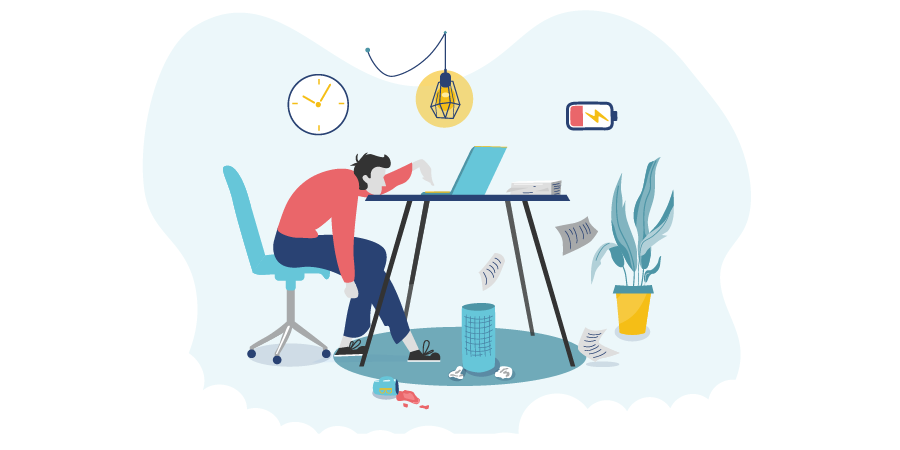
Being a software engineer is rewarding—but let’s be real—it’s also mentally demanding. Tight deadlines, legacy codebases, endless meetings, and constant context-switching can lead to burnout, anxiety, or just feeling perpetually behind.
In this post, we’ll explore practical strategies to help you manage workload, reduce stress, and sustain a healthy and productive career in tech.
Sleep early, code better
One of the most underrated productivity hacks for software engineers? Go to bed before 10 PM and wake up early.
Why sleep before 10 pm matters
- Your brain does its deepest recovery and memory consolidation between 10 PM and 2 AM.
- Sleeping late often leads to fragmented, lower-quality sleep, even if you get 7–8 hours.
- Late-night work is usually filled with diminishing returns, distractions, or rabbit holes.
“Fixing one bug at midnight may cost you more than solving three problems fresh at 7 AM.”
The power of mornings
When you sleep early and wake early:
- Your brain is sharper and more focused
- You can work distraction-free before meetings and notifications start
- You build a calmer, more intentional routine
Try tackling your hardest problem before 9 AM—you might be surprised how fast it gets solved with a rested brain. Sleep is not wasted time. It’s strategic recovery. Start sleeping like your performance depends on it—because it does.
Move your body to sharpen your mind
You don’t need to be a fitness junkie, but regular physical activity—whether it’s hitting the gym, doing yoga, or throwing punches in a boxing class—can radically improve your focus, energy, and stress resilience as a software engineer.
Why exercise helps engineers
- Boosts dopamine and endorphins, which reduce stress and improve mood
- Enhances mental clarity and decision-making
- Improves posture and reduces physical fatigue from long hours at a desk
- Builds discipline—just like writing good code
“A strong body supports a sharp mind.”
Think of it like debugging your brain
Just 20–30 minutes of moderate exercise a few times a week is enough to:
- Clear mental fog
- Prevent burnout
- Increase your stamina for deep work
Whether it’s lifting weights, boxing, jogging, or just a daily walk—find something you enjoy and stick to it.
Master your focus: silence the noise
In today’s world, distraction is the default—especially for engineers. Every ping, badge, or vibration pulls you out of flow. To do deep, meaningful work, you need to protect your focus like it’s sacred.
Turn off notifications
- Put your phone on Do Not Disturb or Airplane Mode during deep work blocks
- Disable non-critical desktop notifications (Slack, email, calendar pop-ups)
- Hide your phone in a drawer or place it screen-down—out of sight, out of mind
You’re not ignoring the world—you’re prioritizing your mind.
Set boundaries for focus
- Use tools like Focus Mode, Cold Turkey, or AppBlock
- Work in 60–90 minute sessions with clear goals
- Let teammates know you’re in “focus time” (set Slack status or use a calendar block)
Flow > multitasking
Real productivity comes from flow—not task switching. Every interruption costs time, energy, and context. Reduce the noise, and your brain will thank you.
Know when to stop: tired code is bad code
One of the most common mistakes developers make is pushing through when tired, anxious, or rushing. It feels productive in the moment—but often leads to sloppy code, avoidable bugs, or technical debt.
“If you’re too tired to think clearly, you’re too tired to code clearly.”
Why you should stop when you’re drained
Your logic and judgment degrade without you noticing
You start to band-aid problems instead of solving them
You waste time debugging issues you introduced while exhausted
What to do instead
- Step away—go for a walk, stretch, breathe, or nap
- Sleep on it—solutions often come faster after rest
- Delay big changes if you’re rushing against a deadline or end-of-day fatigue
It’s better to pause and come back sharp than to “just finish it” and regret it later. Code is not just typing—it’s thinking. And tired thinking leads to bad outcomes.
Prioritize ruthlessly: don’t try to do everything
As a software engineer, your task list will never be empty—there’s always more code to write, refactor, or optimize. That’s why learning to prioritize with intention is crucial to avoid overwhelm and focus on what truly matters.
Focus on Impact, not activity
Ask yourself:
- “Which tasks directly impact users, revenue, or team velocity?”
- “What will break if I don’t do this today?”
- “Is this a ‘must-do’ or just a ‘nice-to-have’?”
Not all tasks are equal—some move the needle, others just drain your time.
Use simple prioritization frameworks
- Eisenhower Matrix (Urgent vs. Important)
- MoSCoW (Must, Should, Could, Won’t)
- Top 3 Daily Goals: Pick only 3 things to complete each day
This helps cut through the noise and focus on delivering value, not just checking boxes.
Learn to say “No”
One of the most powerful prioritization tools is a polite, respectful “no”. You can’t do great work if you’re buried under every request. Protect your time.
Prioritization isn’t just about productivity—it’s about staying sane, avoiding burnout, and producing work you’re proud of.
Practice problem solving with pet projects
Not all coding should be high-stakes or tied to deadlines. Pet projects—small, self-driven side projects—are a fantastic way to sharpen your skills, explore new tools, and build confidence without pressure.
Why pet projects help
- You get to solve real problems in your own way
- You can experiment freely without worrying about breaking production
- You develop problem-solving habits in a low-stress environment
- You reignite your passion and curiosity for tech
“Pet projects are like the gym for your brain—consistent reps make you stronger.”
Ideas to get started
- Build a personal dashboard or productivity tracker
- Clone a small feature from your favorite app
- Try a new tech stack like Next.js, Svelte, or tRPC
- Automate something boring in your daily life
Pro tip
Use your pet project to simulate real workflows:
- Write tests
- Set up CI/CD
- Use version control and proper folder structure
- Practice writing clean, maintainable code
This turns your personal project into a safe playground for professional growth. Pet projects aren’t just hobbies—they’re powerful tools for growing your problem-solving muscle, reducing imposter syndrome, and making learning fun again.
What if you don’t handle stress?
Ignoring stress doesn’t make it go away—it makes it accumulate. And when left unchecked, it can silently erode your performance, health, and even your passion for engineering.
Here’s what happens:
- Burnout: You lose motivation, creativity, and energy—even for things you used to enjoy
- Chronic fatigue: No matter how much you sleep, you still feel exhausted
- Brain fog: You struggle to think clearly, make decisions, or stay focused
- Irritability: Small frustrations start feeling overwhelming
- Physical symptoms: Headaches, back pain, insomnia, or even digestive issues
“Stress doesn’t just affect your code—it affects your life.”
Long-term risks
Unchecked stress can lead to:
- Career dissatisfaction or premature job changes
- Damaged relationships with colleagues or loved ones
- Health issues like anxiety, depression, or heart problems
- A constant state of firefighting, rather than growing or learning
Conclusion
Stress is inevitable in a fast-paced career like software engineering—but it doesn’t have to break you. When approached mindfully, stress can become a signal, not a setback—a challenge that builds resilience, clarity, and strength.
By learning to manage your workload, protect your focus, care for your body, and grow through side projects, you turn pressure into progress. Each time you navigate stress well, you sharpen not only your coding skills—but your mental endurance.
“Stress doesn’t just test you—it trains you.”
Take care of your mind like you care about your code. Because when you grow through what you go through, you come out stronger—personally and professionally.