



Introduction
Nowadays, Online shopping has become more popular than ever. It is driven by the widespread adoption of digital and internet technologies. Online shopping, online payment, once considered a novelty, has now become an indispensable part of the daily lives of millions of people worldwide. Consumers can browse, compare and purchase products and services with unprecedented ease and convenience. One of the key factors in building a smooth and secure online payment experience is the use of a payment gateway.
As the popularity of online shopping skyrockets, concerns about the security and reliability of digital transactions also increase. This is where payment gateways emerged as an indispensable component of the online payment ecosystem. Acting as a virtual bridge between merchants, customers, and financial institutions, payment gateways facilitate seamless money transfers while ensuring the integrity and security of sensitive payment information.
Learn about Payment Gateways
A payment gateway is a digital platform that allows businesses and individuals to accept online payments from customers over the internet. Payment gateways provide an interface for processing payment transactions, including verifying credit card information or transferring funds between bank accounts.
Payment gateways act as virtual intermediaries between merchants and customers, facilitating the smooth flow of funds in the online payment ecosystem. At its core, a payment gateway is a complex digital platform designed to handle the complexity of electronic transactions with speed, accuracy and security.
Components and functions of payment gateways
In essence, when a customer initiates a purchase on an e-commerce website or mobile app, the payment gateway steps into action, coordinating a series of complex processes to ensure the transaction is completed seamlessly. Let’s take a look at the main components and functions of a payment gateway:
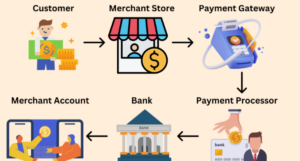
- Transaction Initiation: The payment process begins when a customer selects their preferred payment method at the checkout stage of their online purchase. Whether it’s a credit card, debit card, digital wallet, or bank transfer, the payment gateway acts as the gateway through which the transaction is initiated.
- Data Encryption: Security is paramount in online payments, and payment gateways use advanced encryption techniques to protect sensitive payment information from unauthorized access or interception. Through the use of Secure Sockets Layer (SSL) and Transport Layer Security (TLS) encryption protocols, payment gateways encrypt data transmitted between the customer’s device and the merchant’s server, ensuring Security Protect data from potential threats. One of the most important aspects of a payment gateway is ensuring the security of payment information. Payment gateways often use high security standards such as PCI DSS (Payment Card Industry Data Security Standard) to protect customers’ personal information.
- Payment Verification: Once payment information is securely
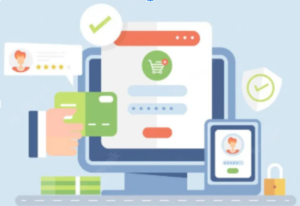 transmitted to the payment gateway, it undergoes a series of verification checks to ensure its validity and authenticity. This includes verifying the accuracy of credit card details (credit card number, security code and other personal information), checking for sufficient funds and screening for potential signs of fraud such as unusual transaction patterns or suspicious activity. It also asks to verify PIN, Signature of the cardholder.
 - Authorization and Authentication: Upon successful verification, the payment gateway forwards the transaction details to the relevant financial institution (such as the customer’s bank or credit card issuer) for authorization. The financial institution evaluates the transaction based on factors such as available credit, account status, and fraud risk before granting authorization to proceed with the payment.
- Fund Transfer/Transaction Processing: Once payment information is verified, the payment gateway will process the transaction by accessing the banking system or credit card networks to transfer funds from the customer’s account to the merchant’s account. This involves communicating with the respective banking systems or payment networks to make transfers securely and efficiently.
- Transaction settlement: Finally, the payment gateway ensures that funds are paid and deposited to the merchant’s designated account in a timely manner. Depending on the payment method and banking procedures, settlement may occur immediately or within a certain period of time, such as 24-48 hours.
By seamlessly integrating these core functions, payment gateways enable merchants to accept payments from customers worldwide, regardless of geographic boundaries or time zones. Furthermore, by adhering to strict security standards and compliance regulations, payment gateways create consumer trust and confidence, foster long-term relationships and drive business growth.
- Additionally, Payment Gateways provide tools and APIs for easy integration into your e-commerce websites, mobile apps, and point-of-sale (POS) systems. Easy integration.
Conclusion
Payment gateways act as the backbone of online commerce, ensuring the safety and security of online payment transactions.
Looking ahead, the payment gateway industry is expected to continue evolving in response to emerging trends such as enhanced security measures, interactive shopping experiences, and the rise of cashless payments.
Reference: