


I’m Sr Tester of Salesforce system. I’m very interesting when testing Salesforce. Hope this article will make you interested in the Salesforce platform as I do.
Today I will introduce you to What is Salesforce – basic things.
I. A Quick Introduction to Salesforce
Salesforce is NOT just a CRM. It stores your customer data, gives processes to nurture prospective customers, and provides ways to collaborate with people. Salesforce is used for managing customer relationships, storing information and services related to customers.
Then, what is Salesforce testing?
- Salesforce testing ensures custom features, configurations, and integrations function flawlessly, supporting key processes for a smooth production launch.
- We test Salesforce applications to guarantee custom features, configurations, and integrations work perfectly, supporting essential business processes for a risk-free production rollout.
- Prevent bugs and guarantee a flawless production launch with thorough Salesforce testing, validating custom features, integrations, and process alignment.
II. Salesforce Testing Levels
Testing performed in Salesforce can be done as:
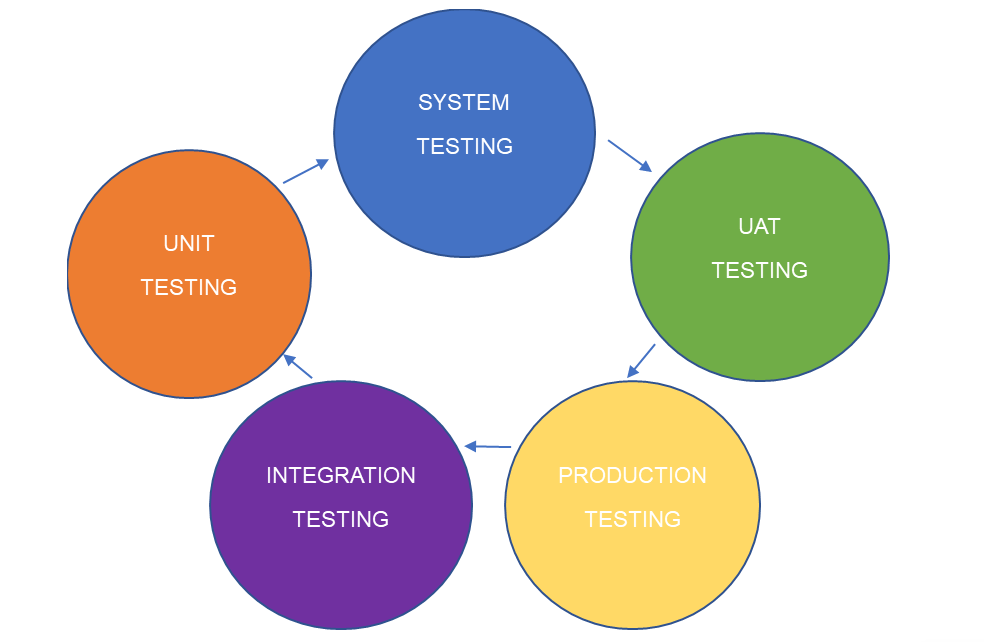
a. Unit Test
In Salesforce, unit testing focuses on examining the smallest building blocks of your code, like individual classes and methods. Unit Test is performed during the development phase and ensures that each unit of code works as expected.
Before deploying code on production, Salesforce enforces a minimum code coverage requirement of 75%. All test cases must pass before the code is ready for production. Think of it as a quality control checkpoint, ensuring only the most polished and reliable code reaches your users.
b. System Test
The main validation of this test level is to ensure that it meets the specific requirements in Salesforce system. Usually, it is tested in a sandbox and includes UI, features testing, and process of business.
In system test, tester also perform Regression test to check if developers/business users have new changes in code or requirements (usually UI changes) that would NOT impact the whole existing features.
c. User Acceptance Test
This level is often used for testing in Salesforce. It is done by end-users or business users to verify that the system meets their requirements. The main goal of the UAT Testing is to find any major issues that could impact users when it goes to Production.
d. Production Test
Once code goes live, production testing begins. QA teams may join real users join forces to validate if all configurations and changes function as intended in the actual use environment.
e. Integration Test
Think of your Salesforce org as a building. Adding third-party tools are like connecting new blocks. Integration testing is like checking those connections for a smooth, problem-free experience. This test is also performed by QA and real users.
f. With all testing levels above, what challenges are we facing?
In the Salesforces system, the new updates and releases happen frequently, so testers should be done testing in a faster way for keeping up the changes and releases on time.
Salesforce is a very complex platform with multiple features, customization options (in Setup) for more features like Service Cloud (Marco, Omni-Channel, WhatsApp…), Visualforce… then tester should train his/her knowledge every day to prevent difficult testing and wrong checking.
Many third-party apps and systems can be integrated with Salesforce and will make testing more challenging and complex. Testers need to ensure that these integration system/features work thoroughly.
III. Conclusion
Salesforce testing unlocks the platform’s potential, ensures correct functionality. It has an important role in covering businesses of the platform and customer’s goal. By testing Salesforce applications, customer organizations can ensure that they function as planned, meet user requirements, and deliver an accurate user experience.