


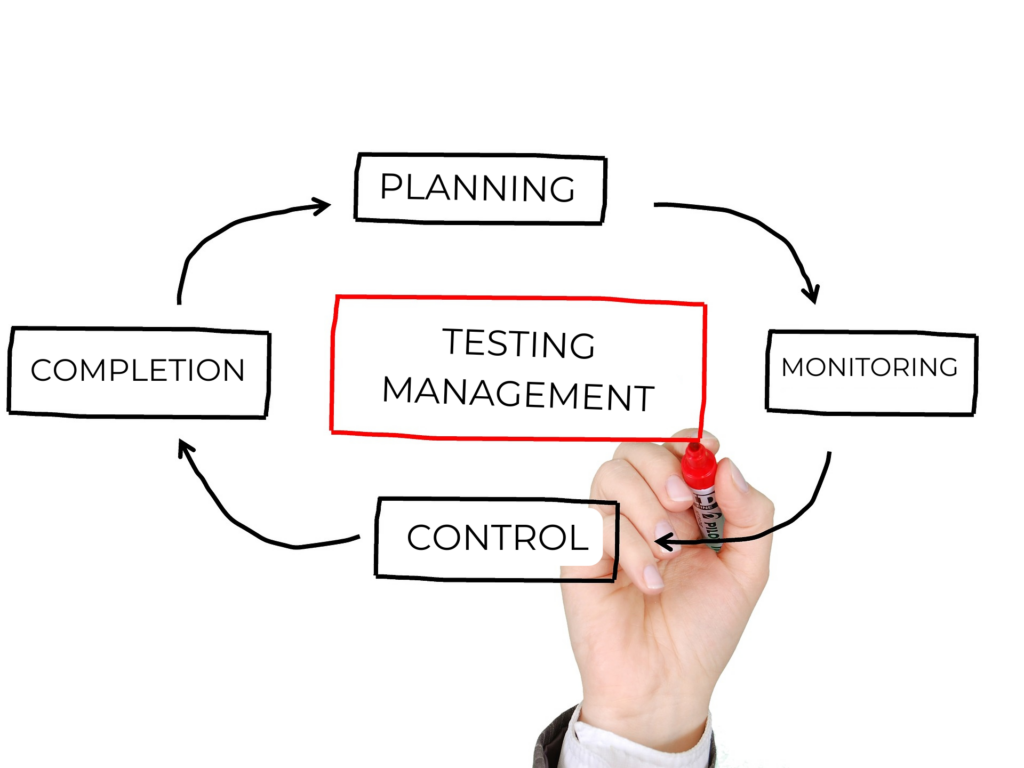
Software testing management is essential for ensuring software quality and reliability. It involves activities throughout the development lifecycle, from planning to release and maintenance.
Objectives of Testing Management
The main objectives of testing management are to minimize product quality risks by:
- Early Identification and Prevention of Defects: With a good testing management plan, you can help the project detect defects as early as possible in the development lifecycle, helping to minimize the cost of fixing bugs.
- Ensuring Product Meets Requirements: This is an extremely important factor for a project. Testing is performed based on agreed requirements, ensuring the final product meets customer and user expectations.
- Providing Transparent Information on Product Quality: Testing management provides clear reports and metrics on product quality, helping stakeholders get a visual, detailed view and make accurate decisions.
- Improving Testing Process Efficiency and Effectiveness: Testing management continuously improves the testing process by applying appropriate methods and tools, optimizing resources and time.
Key Activities in Testing Management
There are 3 main activities that testing management personnel need to fully cover to ensure the testing of a project or team achieves the best results:
Test Planning
This is the first and most important step, whereas a testing manager, you need to identify the following information:
- Testing objectives: Specific, measurable objectives that align with the project’s overall goals
- Testing scope: Which parts of the software will be tested and which will not. This helps the team identify and limit the necessary workload
- Testing methods: Choose appropriate testing methods depending on the project type, business domain, or customer requirements
- Testing resources: Including manpower, time, tools, and necessary testing environments
- Testing schedule: Timelines for testing activities throughout the product development process so the team has an overview of what they will do during specific periods of the project
- Testing deliverables: Identify documents and reports that will be generated during the testing process
- Stakeholders: Identify and analyze roles and responsibilities of stakeholders in the testing process
Test Monitoring and Control
This activity helps ensure the testing process proceeds on schedule and achieves objectives. It includes:
- Data collection: Gathering information about progress, test results, and detected defects
- Data analysis: Analyzing collected data to evaluate product quality and testing process effectiveness
- Reporting: Based on processed data, provide regular reports on progress, results, and risks to stakeholders to assess the actual situation of product quality
- Change control: Stakeholders, especially customers, based on reports, will always have timely change proposals leading to the need to manage requirement changes or scope affecting the testing process
- Implementing corrective actions: In cases where reports indicate that product quality is not truly good, having proposal options and implementing corrective measures when necessary to ensure product quality and project progress is crucial
Test Completion
This is the final step, including:
- Summarizing test results: Create summary reports on test results, including information about all related test cases, detected defects, status of each defect, which bugs have been fixed, which remain, and assessment of their impact (of course, remaining bugs must have extremely low impact to be accepted)
- Archiving test documentation: Store all documents related to the entire testing process for reference and inheritance for future projects
- Evaluating testing process effectiveness: Need to have an overall, comprehensive view of the entire project testing process to learn lessons and improve the testing process for subsequent projects
- Announcing test completion: Formal notification of the end of testing activities to stakeholders
Factors Affecting Testing Management
Several important factors can influence the testing management process:
- Software Development Environment: Each software development model (e.g., waterfall model, Agile model) requires a different approach to testing management. Example: In the Agile model, testing is continuously integrated throughout the development process, while the waterfall model typically focuses testing in the final stage of product development.
- Project Type: Each project type (e.g., new software development, software maintenance, system upgrade) has its own testing requirements. Example: New software development projects usually require more thorough testing compared to software maintenance projects. Maintenance projects need to run regression test cases that new development projects rarely have.
- Stakeholders: Each stakeholder (e.g., customers, users, developers) has different expectations and requirements for software quality. It’s important to understand stakeholder needs and integrate them into the testing management process.
- Risks: Identifying, evaluating, and controlling risks is crucial in testing management. Risk-Based Testing helps focus resources on areas with the highest risks, thereby saving project time by detecting errors early.
- Testing Tools: As mentioned above, depending on the project type, business domain, or customer requirements, we will select and use appropriate testing tools that can improve the efficiency and effectiveness of the testing process. However, the selection, deployment, and use of tools also need to be carefully considered and discussed.
Testing management is a continuously evolving process, requiring adaptability and flexibility to respond to project and technology changes. Understanding key activities and influencing factors and applying appropriate methods will help testing managers ensure quality and success for software projects.