



Unit testing is a cornerstone of modern software development, and Angular, a popular framework for building web applications, is no exception. Unit testing plays a crucial role in Angular development by helping ensure the reliability, maintainability, and robustness of your codebase. In this blog, we will explore the importance of unit testing in Angular and shed light on the benefits it brings to your projects.
The Significance of Unit Testing in Angular
1. Early Bug Detection
Unit testing in Angular allows you to detect and fix bugs at an early stage of development. By writing tests that check the behavior of individual units of your code (such as components, services, and directives), you can identify issues before they propagate and become more complex and costly to resolve.
2. Improved Code Quality
it promotes good software engineering practices. When writing tests, developers tend to create modular, loosely coupled code, which enhances the overall quality of your application. This results in cleaner, more maintainable code that is easier to understand and extend.
3. Enhanced Code Confidence
With unit tests in place, you gain confidence when making changes or refactoring your code. You can quickly identify if any changes break existing functionality, as failing unit tests serve as an early warning system for regressions.
4. Documentation and Code Understanding
Unit tests act as living documentation for your code. They provide insights into how individual components or services should behave. This documentation becomes invaluable when new developers join the project or when revisiting code after an extended period.
5. Faster Development and Collaboration
it promotes faster development and smoother collaboration among team members. It allows developers to work on their assigned units independently, knowing that their changes won’t adversely affect other parts of the application. This parallel development is made possible by unit tests serving as a safety net.
Practical Examples of Unit Testing in Angular
Let’s illustrate the importance of unit testing in Angular with some practical examples.
1. Component Unit Testing
Suppose you have an Angular component ProductListComponent that displays a list of products. Unit tests for this component could check if:
- The component renders correctly.
- The products are displayed as expected.
- Sorting and filtering functions work as intended.
2. Service Testing
Consider an AuthService that handles user authentication. Unit tests for this service can verify if:
- User login and logout functions work properly.
- Authentication status is accurately tracked.
- Correct error handling is in place for login failures.
Implementing Unit Testing in Angular
To incorporate unit testing into your Angular project:
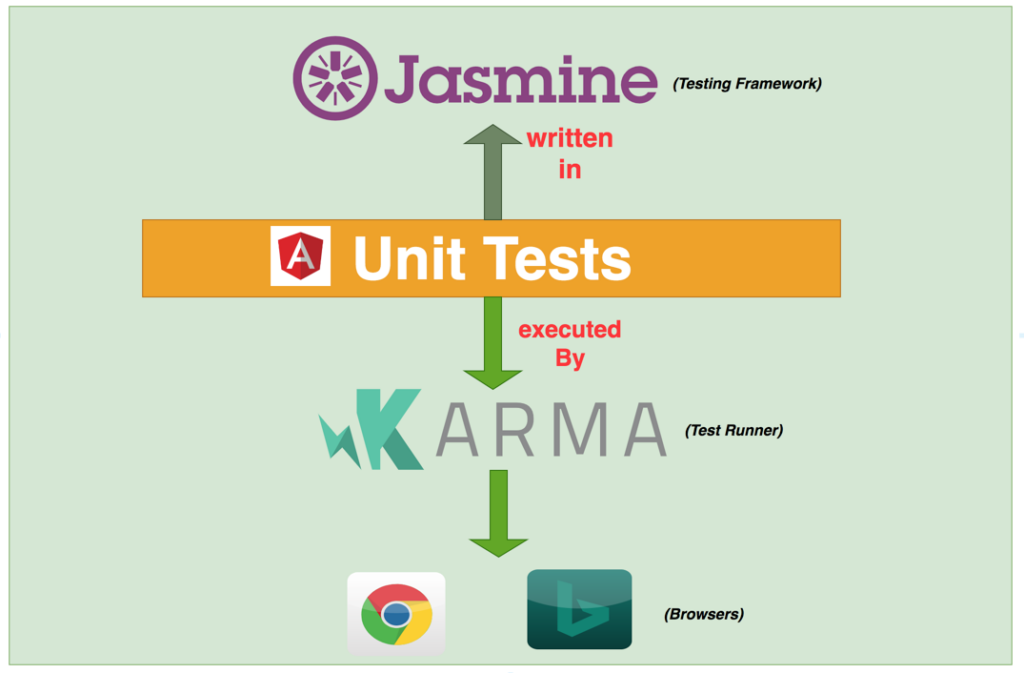
- Set Up Your Testing Environment: Ensure you have the necessary tools, including Angular CLI, Jasmine, and Karma, installed.
- Write Unit Tests: Create test files alongside your application code. These tests should cover individual units such as components, services, and directives.
- Run Tests: Use the Angular CLI to run your tests. It will execute the tests and report the results, including any failures.
Conclusion
Unit testing is not an optional practice in Angular development; it’s an essential part of building reliable and maintainable web applications. By implementing unit tests, you can identify and fix bugs early, enhance your code quality, gain confidence in code changes, provide documentation, and collaborate effectively with your team. Embrace unit testing in Angular, and you’ll experience the benefits firsthand as your applications become more robust and dependable.
For more such posts, please follow our LinkedIn page- FrontEnd Competency.