



In the world of project development, having clear goals is key. Testable requirements are like the blueprint for these goals, making sure everyone knows what needs to be done and how to do it. In this blog, let’s break down what testable requirements are and why they’re so important for any project.
I. Understanding Testable Requirements
A testable requirement is one that’s expressed so clearly, so unambiguously, so completely, that there can only be one interpretation of what’s actually required, and from which test cases could be designed which would demonstrate clearly, unambiguously, and (just as important) cost-effectively whether the requirement is met.
II. What Makes a Requirement Testable?
1. Clear and Simple
- Testable requirements are straightforward and easy to understand. They don’t leave anyone scratching their heads wondering what they mean.
+ Should: “The login page should have fields for username and password.”
+ Should NOT: “The login page should be user-friendly.”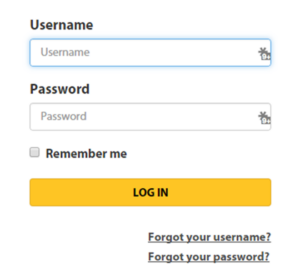
2. Measurable
- They’re also something we can measure. Like ticking off items on a to-do list, we can see clearly when a requirement has been met.
+ Should: “The response time for user authentication should be less than 2 seconds.”
+ Should NOT: “The response time for user authentication should be fast.”

3. Checkable
- These requirements are something we can check off our list. They’re not just vague ideas floating around; they’re concrete goals we can verify.

+ Should: “The system should send a confirmation email when users register account successfully.”
+ Should NOT: “The system should handle user registration.”
4. Important
- Testable requirements focus on the most important parts of the project. They’re the things we absolutely need to get right.

+ Should: “The e-commerce website should allow users to add items to their shopping cart.”
+ Should NOT: “The e-commerce website should have a visually appealing design.”
5. Consistent
- Lastly, they fit together smoothly with everything else in the project. There are no conflicting or confusing requirements that might trip us up.

+ Should: “All error messages should follow the same format and language for uniformity.”
+ Should Not: “Error messages should be written in a casual tone for better user experience.”
III. Why Do Testable Requirements Matter?
1. Everyone’s on the Same Page

When requirements are clear, there’s less chance for people to get confused or interpret them differently. This means everyone understands what needs to be done in the same way. As a result, team members can communicate and work together more effectively. Imagine if everyone speaks the same language – it makes it much easier to understand each other and work towards the same goal. This clear understanding helps the project progress smoothly, without any interruptions or delays caused by misunderstandings.
2. Easy to Track Progress
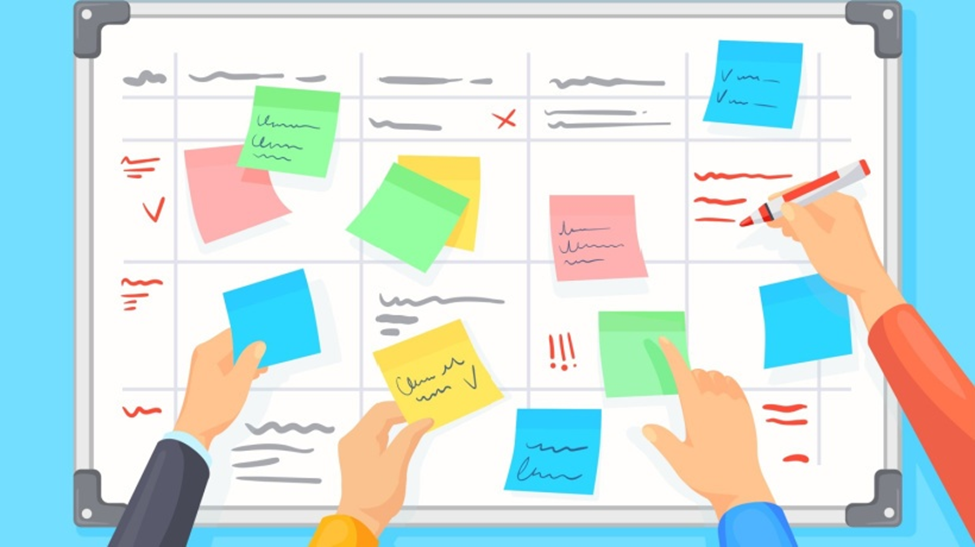
Testable requirements act as checkpoints along the project journey, guiding teams towards success. By providing measurable criteria for success, these requirements enable teams to track their progress and ensure they’re moving in the right direction. It’s like having signposts on a road trip – they keep us on track and reassure us that we’re heading towards our destination. Regularly checking progress against these requirements helps teams stay focused and motivated, ensuring that they deliver the desired outcomes.
3. Spot Problems Early
Clear and specific requirements act as early warning signals for potential issues or blockers. By articulating exactly what needs to be done and how it should be done, testable requirements help teams identify problems before they escalate into major challenges.
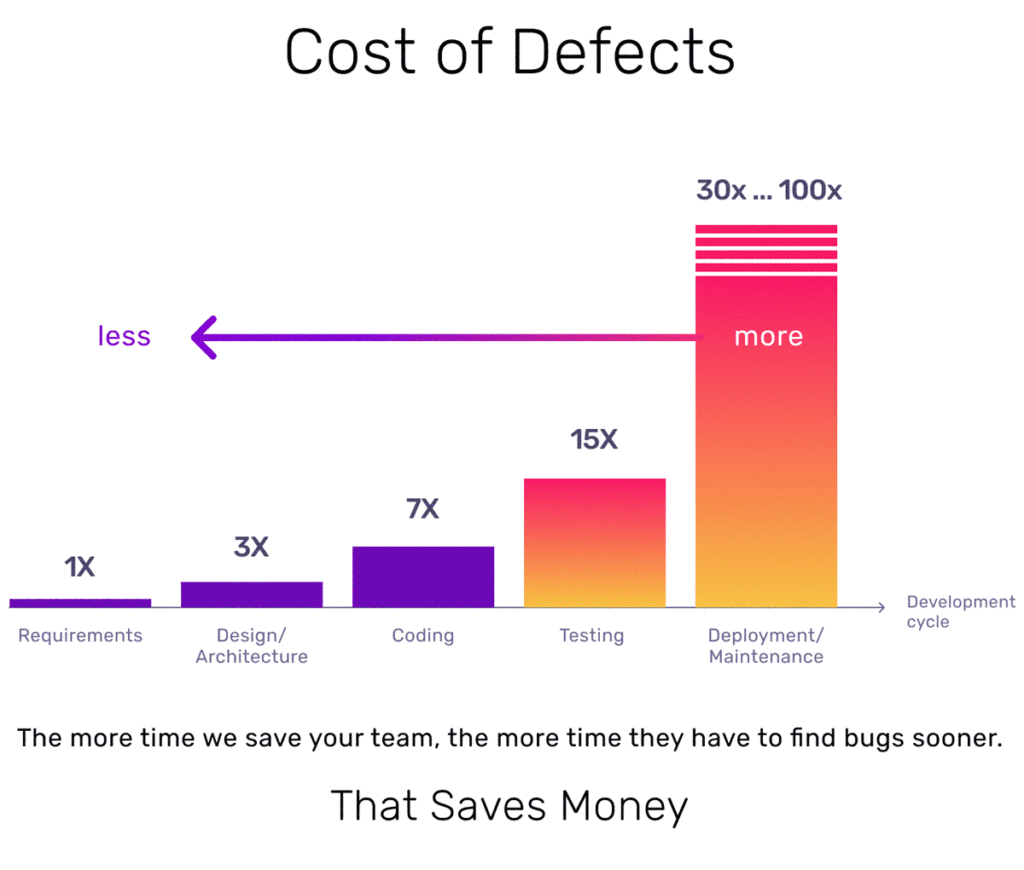
Fixing software defects is cheapest during the initial requirements stage because there are fewer things affected if a problem is found. But as the project moves forward, fixing bugs becomes much more expensive. This is because each bug fix impacts more parts of the project, like design documents and the code itself, making the overall cost go up a lot.
4. Ensuring Customers Happiness

Ultimately, testable requirements help us deliver what customers want. By focusing on what’s important to the customer and setting clear goals, development team can create products that meet their needs.
IV. Conclusion
In a nutshell, testable requirements are like a roadmap to success for any project. By keeping things clear, measurable, and focused on what’s important, they help us stay on track, avoid problems, and make our customers happy. So next time you start a project, make sure you have your testable requirements in place, they’ll make all the difference!!!
IV. Reference
Ten Attributes of a Testable Requirement (prolifics-testing.com)
The Cost of Finding Bugs Later in the SDLC
How can you ensure requirements are testable and measurable?
These above images are obtained from the online source.