


Agility – When we talk about this term, we often associate it with acrobats and gymnasts. But it’s a term that has found its way into the world of software development and beyond. In today’s world of constant change alone, the ability to adapt and respond is not just a luxury; It is a need to survive. The term Agile is becoming increasingly popular as a software development methodology and has now become a guiding principle for success not only in technology but in various areas of life and business.
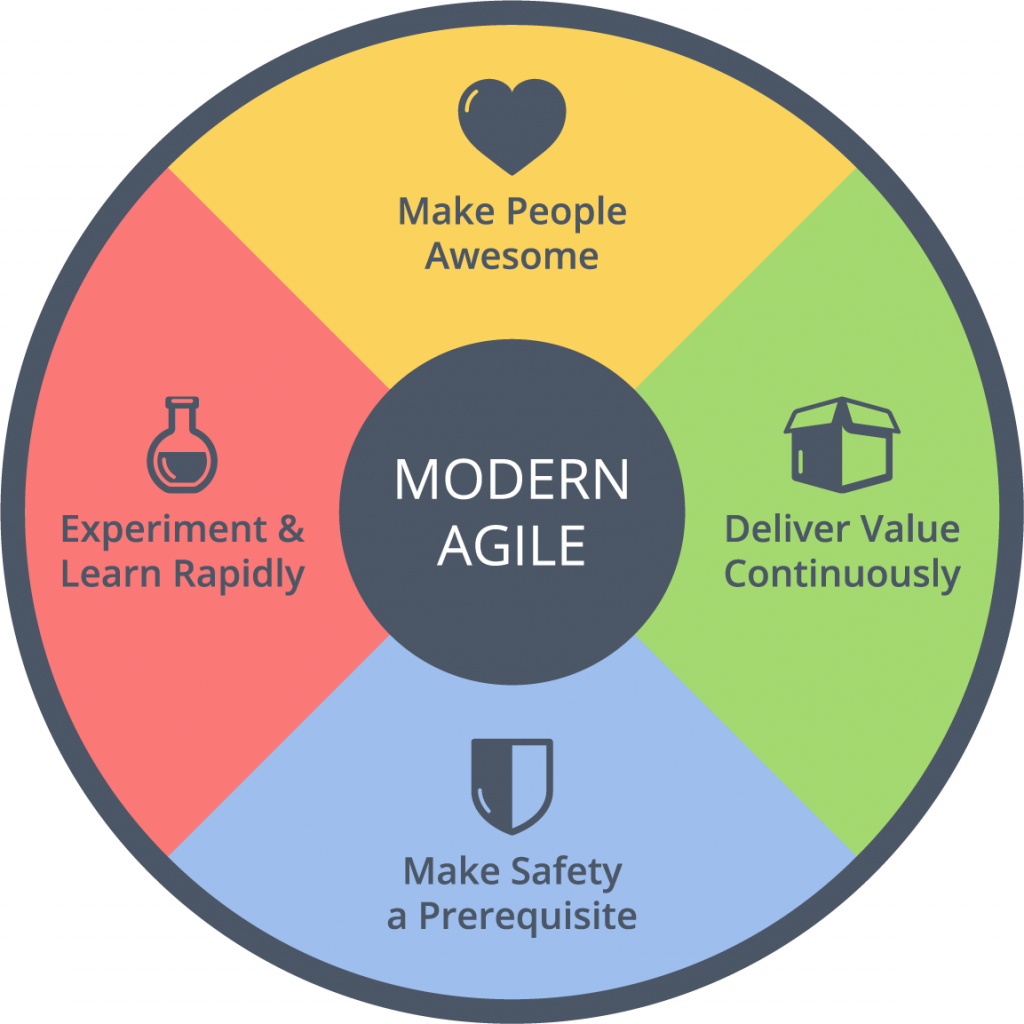
Why is Agile Methodology Popular Among Software Development Companies?
Software development is a dynamic field where requirements often change mid-project. Traditional methodologies like the Waterfall, with their sequential and linear approach, struggled to cope with this reality. In contrast, the key advantage of Agile methodology is that Agile is built on the foundation of flexibility. It divides projects into smaller, manageable pieces, called iterations, which are typically two to four weeks long. This iterative approach called as sprints allows teams to regularly reassess their work, respond to changes, and adapt to evolving requirements.
Agile’s popularity among software development companies is primarily due to its ability to deliver high-quality software faster while remaining responsive to changing customer needs and market conditions. This is one of the key benefits of the agile process, as it aligns with the very nature of software development, where technology and customer preferences evolve rapidly.
Where to Use Agile in Today’s Life?
Agile is not confined to organizational settings. Its principles can be applied in various aspects of our daily lives. Whether it’s planning a wedding, remodelling your home, or pursuing personal fitness goals, Agile can help you navigate uncertainties efficiently. Break down your goals into smaller, manageable tasks, and regularly reassess your progress. This approach empowers you to stay on track and achieve your objectives.
Why Choose Agile for Your Organization?
While Agile originated in the software development world, its applicability extends far beyond that. Any organization, irrespective of its industry, can reap the benefits of the Agile approach. The reason is straightforward: Agile enhances an organization’s capability to deliver value swiftly and effectively. Whether you’re in healthcare, education, manufacturing, or any other sector, Agile practices can streamline your processes, reduce waste, and ultimately boost customer satisfaction.
For instance, Agile methodologies can be applied in healthcare to improve patient care by rapidly responding to changing treatment protocols or enhancing operational efficiency. In education, Agile can help in curriculum development by ensuring that content remains relevant and engaging.
Why are Organizations Quickly Adopting Agile Methodologies?
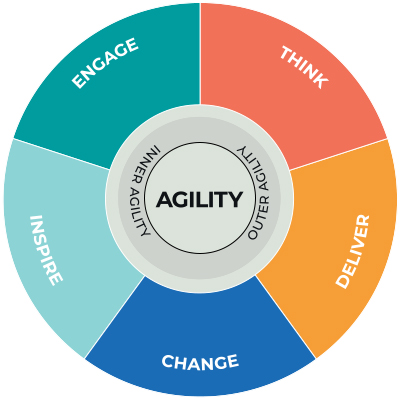
The pace of change in the world has accelerated to a level never seen before. In such a dynamic environment, organizations must innovate continually and adapt quickly to remain competitive. Traditional, rigid project management methods cannot keep up with these rapid changes. Agile provides a framework for organizations to remain nimble and swiftly adjust their strategies and projects. This agility allows them to pivot in response to changing market conditions, a significant competitive advantage. For more detail, you can refer https://blog.nashtechglobal.com/design-thinking-in-project-management/
How is Agile Different from Traditional Methods?
The primary difference between Agile and traditional methods lies in their approach to uncertainty. Traditional methodologies, like Waterfall, aim to eliminate uncertainty through extensive planning upfront. Agile, however, embraces uncertainty. It acknowledges that change is inevitable and, rather than trying to prevent it, provides a structured way to adapt to change.
In traditional methods, projects are typically planned from beginning to end, and the entire project is delivered at once. In Agile, the project is broken down into iterations or sprints. Each sprint delivers a part of the project incrementally. This iterative approach allows for quicker feedback, early adaptation, and the ability to accommodate changing circumstances.
Conclusion
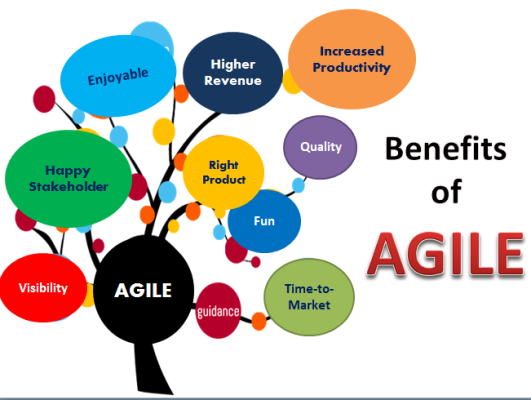
In our fast-paced world, the significance of Agile cannot be overstated. Agile is more than just a methodology; it’s a way of thinking, a set of values, and a path to success. Agile empowers organizations to adapt to change swiftly and keep their focus on delivering value incrementally. Whether it’s software development, healthcare, education, or even personal goals, Agile methodologies offer a roadmap for navigating today’s complexities with confidence.