


What is Database Testing?
Database testing is one of the testing activities to verify and validate the quality, functionality, and security of a database system. This kind of testing ensures the accuracy and integrity of stored data of system, it also recognizes the system’s responsiveness, scalability, and compliance with industry standards.
Database testing helps us to figure out the problems of database such as duplicated, redundant data or even the complex queries which impact the performance of database in parallel with UI (User Interface) functionals testing. Furthermore, it can help to guarantee the correct business flow, data constraints rule or security violation of sensitive data.
Here are key aspects which involved in Database Testing:
- Data Integrity: Ensures that data is accurate, consistent, and complete throughout its lifecycle.
- Data Validation: Validates that data follows defined rules, constraints, and business logic.
- Data Security: Protects data against unauthorized access, modification, or deletion.
- Database Functionality: Testing that core database operations like data retrieval, insertion, updates, and deletion function as intended.
- Database Performance: Optimizes query performance, response times, and overall system efficiency.
- Database Scalability: Ensures the database can handle increasing data volumes and user loads.
What will be checked?
Database Schemas
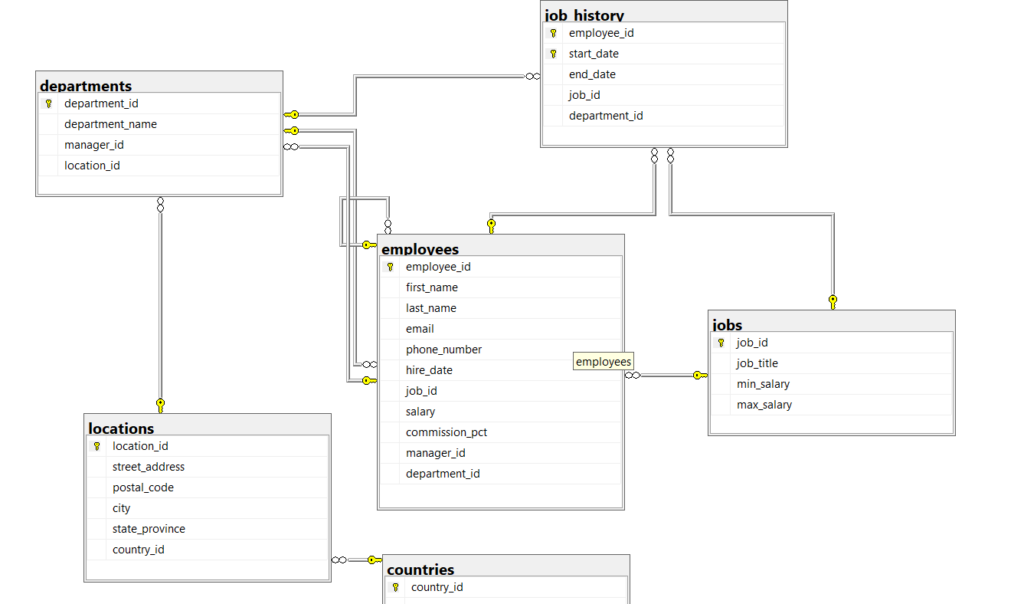
- Validate various types of schema formats that are associated with the databases.
- Check the logical thing of the entire database, it involves validating the mapped/unmapped objects in database, like tables, views, columns, data types, relationships.
- Verify the objects of front-end application with database objects mapping.
Database tables, data columns and data types
- Check the naming convention of database tables and columns to see which follows the business requirement or not.
- Check any mapped/unmapped tables and table columns in database.
- Check the Keys and Indexes in database (relationship between primary keys and foreign keys of tables as requirement).
- Check the number of columns, column names, NULL values of tables in database.
- Check the data types in the database to field values in front-end application.
- Check the length of data field in database to length of data of application to avoid any violation of data size between front-end and back-end (database).
- Check the flows of data which are inputted from front-end to back-end (database) as business flows to make sure that all of them correctly in functional testing.
Store Procedure, Store Functions and Triggers
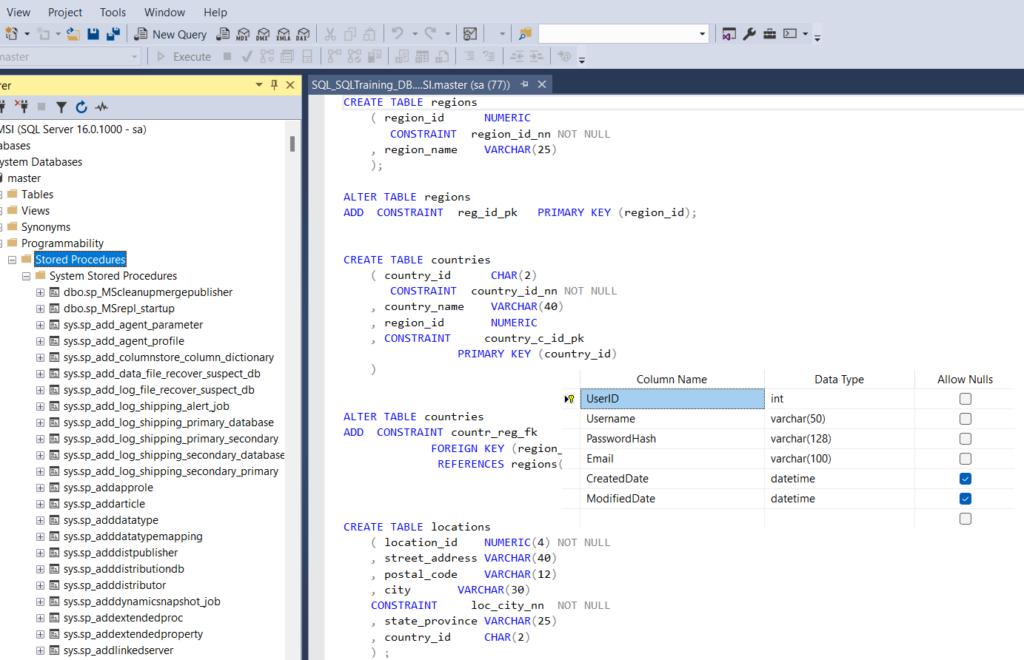
- Verify the existing Store Procedures as definition in database (coding standard, exception, error handling, conditions, loops…).
- Check the valid/invalid input data to compare with requirement document.
- Check the flow of data to be correct to insert, update or delete according with proper tables.
- Verify the relationship among Store Procedures in database.
- Check the existing Store Functions in database.
- Check the valid, invalid input data and the exception when there is invalid input data.
- Verify the Store Function to use with Select statements.
- Check the correctness of Triggers to execute (update, insert, delete functionality) to proper tables, procedures, functions to meet the required condition.
- Verify the Triggers to handle transactions correctly, especially when multiple Triggers or operations are involved.
Transaction properties (ACID)
Atomicity
- Be a success or failure, just only one in these two states (success or failure) of transactions.
- Verify the trigger errors or failures during transactions to ensure they roll back correctly and leave the database in its original state.
Consistency
- Validate the constraints to ensure that transactions don’t violate defined constraints (primary keys, foreign keys, data types, etc.).
- Check business rules by verifying the transactions to preserve the business logic and maintain data consistency.
Isolation
- Ensure that multiple transactions simultaneously occur at once without affecting others, the consistency should remain maintained.
- Verify that changes made by one transaction aren’t visible to others until committed.
Durability
- Ensure that the database can successfully restore data and transactions after failures.
- Test the database’s ability to restore data from backups to ensure durability.
Integrity Constraints
- Understand and the constraints to specify the rules for database (data, tables).
- Check values of table like NOT NULL, UNIQUE, PRIMARY KEY, FOREIGN KEY and Default values or specific condition of database.
Performance Testing (Load/Stress Testing)
- Validate the impact of the most running transaction in the database.
- Check the response time to execute the transactions with huge number of users simultaneously.
- Verify the time taken for querying a specific record from the database.
- Identify the breakpoint of the database system until the system fails.
Security Testing
- Be aware in applying SQL Injection test to secure the data.
- Apply the password policy to prevent the users trying login application by using password cracking tools.
- Check the authorization of user accounts to perform only those specific operations which are assigned by coding or setting to follow the business requirements.
- Check the sensitive data (passwords, credit card numbers…) are encrypted and not stored as plain text in Database.
- Check the difference of user roles which are created with different permissions from database.
Database Backup and Recovery Testing
- Be aware in applying SQL Injection test to secure the data.
- Apply the password policy to prevent the users trying login application by using password cracking tools.
- Check the authorization of user accounts to perform only those specific operations which are assigned by coding or setting to follow the business requirements.
- Check the sensitive data (passwords, credit card numbers…) are encrypted and not stored as plain text in Database.
- Check the difference of user roles which are created with different permissions from database.
What are the advantages of database testing?
- It will be good to find out the bugs in the early phase of application development stage.
- It prevents data errors and inconsistencies like wrong data format, missing values, duplicate records, or invalid relationships before they impact end users’ view.
- It can discover and improve the performance, scalability, and quality of application to ensure the growing data volumes to avoid any crashes, performance bottlenecks, etc.
- It also helps to identify unauthorized access attempts, SQL injection risks, or weak authentication protocols, allowing for mitigation before security breaches occur.
- It can protect the sensitive data stored in the database from unauthorized access or malicious attacks.
- It helps to prevent deadlocks, data corruption, data leaks or guarantee the backup/recover the database controlling in critical situations.
What are the disadvantages of database testing?
- It requires database testing skill set like expert in SQL, database concepts, testing methodologies, and potentially scripting languages. The skillset will be a challenging thing to tester.
- Databases can be complex structures with vast amounts of data and intricate relationships, it will need to define the scope and prioritize what to test can be difficult and time-consuming.
- It can be difficult to identify the crucial items to be tested when the database is huge and there is limitation of manual testing to test the complex functionalities or large datasets can be boring, prone to errors, and inefficient.
- Automation tools investment will be the problem to implement robust database testing, it requires specialized tools and resources, also increasing initial costs.
Sum up
It’s easy to recognize the benefit of Database Testing which reduces development costs, enhances user experience, and improves brand reputation. Database Testing ensures data integrity, optimal performance, and robust security, raising user trust and quality of application. But it still has some challenges like complexity, skill requirements, automation costs, and strategic planning which are applying Database Testing.
Ultimately, by recognizing both benefits and drawbacks, you can leverage database testing as a strategic investment, ensuring data integrity, smooth performance, and long-term business success.