


1. Introduction
Biometric applications in banking are more ubiquitous than you would believe. Facial recognition, fingerprint sensors, and voice recognition technologies have been used by financial organizations to replace older methods. Biometrics, in particular, contribute to regulatory compliance, resulting in a smooth and safe digital identification verification procedure.
2. Biometric authentication: what is it?
Biometric authentication is a security tool that relies on your biological traits for identification and access control. It works by capturing data from your physical features (like fingerprints or facial patterns), converting them into a digital format, and comparing that data against a stored database for a match.
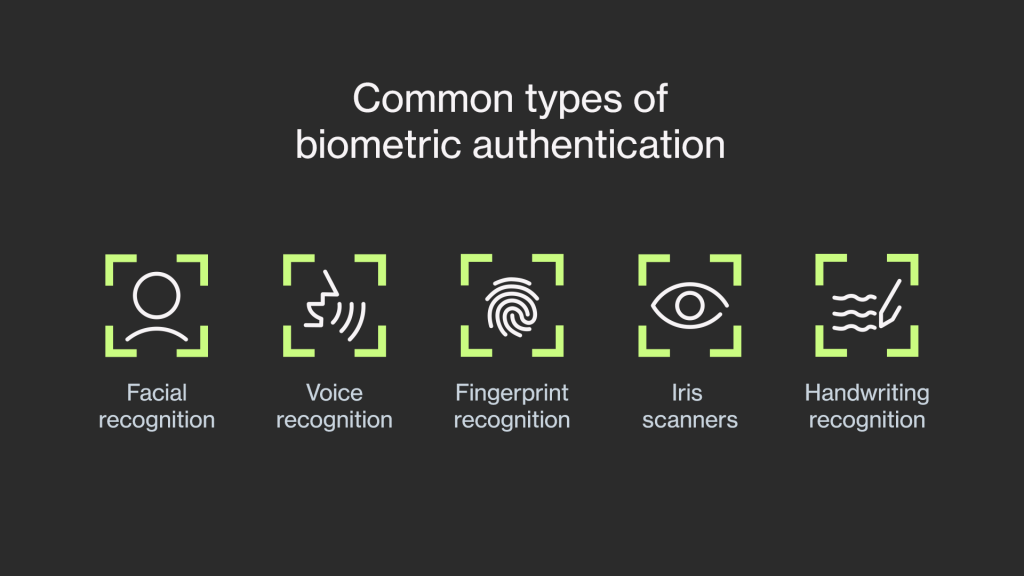
Common types of biometric authentication:
- Facial recognition: The human face is one of the most often utilized biometric features. Authentication is assisted by static or video facial pictures. During the process, AI creates a map of a person’s facial characteristics, including the position, shape, and spatial connections of their eyes, nose, and lips.
- Voice recognition: Voice is a biometric property that combines biological and behavioural characteristics. A person’s voice is influenced by a variety of physical traits, including the size and shape of their mouth, tongue, nose, and vocal cords. It can also be heavily influenced by their language, physiological problems, or emotions.
- Fingerprint verification: Fingerprints are no longer just utilized in forensics. Nowadays, most individuals employ fingerprint biometrics. Because it can be simply integrated into any device, such as a mobile phone or a laptop, owners may use their fingerprints to secure access to their devices.
- Iris scanner: Another distinguishing feature of the human eye is its iris, a colored, circular membrane that surrounds the pupil. The complicated structure of the iris is incredibly difficult to duplicate. Thus, it is also employed in biometric systems.
- Handwriting recognition: Similar to optical character recognition (OCR), this technique uses pattern matching to translate handwritten characters into computer text. Handwriting, on the other hand, is more or less unique to each individual, making it a viable behavioral biometric system.
3. Applications of Biometrics in Banking: Use Cases
3.1. Digital Customer Onboarding
The first step in onboarding new customers is ensuring they are genuine. Banks achieve this through ID scans and facial recognition technology, creating a secure process for both the bank and the customer. This approach streamlines the onboarding experience, eliminating the need for in-person identity checks.
Identity verification in the digital customer onboarding process usually involves facial matching and liveness detection.
- Face matching: The user snaps a selfie to demonstrate that the image matches the ID document’s photo. “Is the person holding the ID the same person shown in the ID photo?” is answered by this.
- Liveness detection: For the purpose of liveness detection, users must face the camera, provide access, and comply with instructions by nodding and turning left or right. “Is the person holding the ID physically present during the transaction?” is answered by this.
Customers’ image data will be saved and utilized in numerous processes to authenticate their identity, enhancing account security during transactions.

3.2. Deposit and withdraw money at ATMs
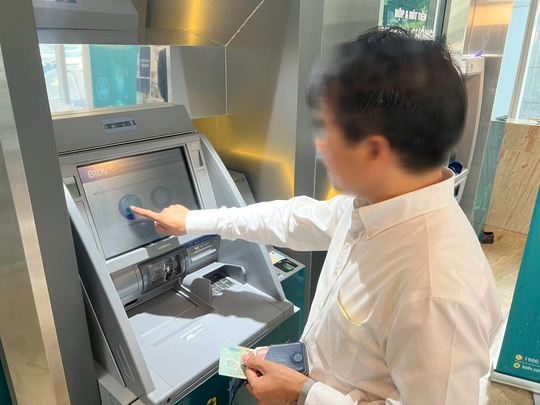
Customers frequently lose or forget their ATM cards. Large banks throughout the world handle this problem by allowing consumers to deposit and withdraw money at ATMs using facial recognition without the need for documentation or cards.
The software’s core algorithm is coupled with computer vision, allowing it to recognize faces in front of ATM cameras and match them to faces kept in banks’ systems. Then it returns results depending on the matching rate, which improves accuracy. If a suspicious indication is identified or the matching rate is poor, the program will refuse access to that user.
To ensure identification verification, banks may need clients to take an additional step to authenticate on their phones.
3.3. Biometric Payment
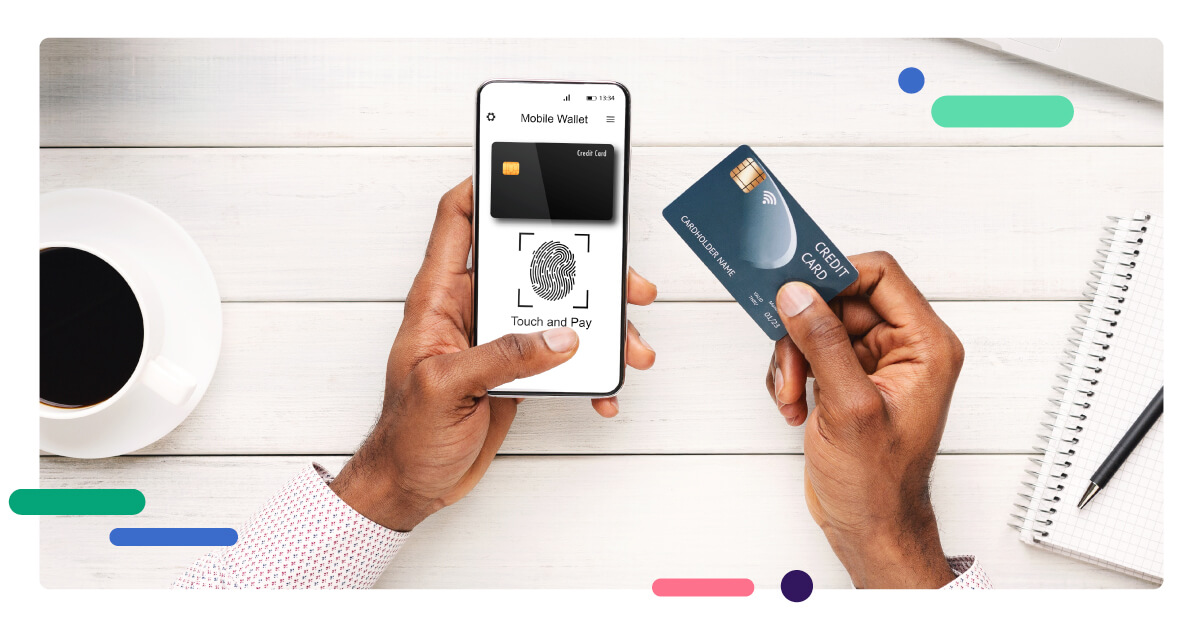
The term “biometric payment” describes a point-of-sale (POS) system that uses biometric authentication, which verifies a user’s identity by analysing certain physical traits and permits money to be taken out of their bank account. Examples of well-known biometric payment systems are Apple Pay and Google Pay. They enable customers to make purchases using Touch ID or Face ID.
Biometric technology gained popularity in the mid-2000s, particularly in locations such as grocery shops, petrol stations, and convenience stores, where it allows for quick and safe transactions. Furthermore, internet merchants like Amazon have used biometrics for one-click payment procedures, emphasizing the simplicity of online buying. Furthermore, banks use biometric verification to protect high-risk transactions, such as significant monetary transfers, therefore increasing security.
4. Benefits of Biometrics in Banking
Biometric applications in banking are becoming an increasingly important aspect of the banking and FinTech industries, as they provide greater security and convenience than older approaches. Here are some important benefits to consider:
- Rock-Solid Security: Biometric identification is way harder to fake than passwords or PINs. Your fingerprint or face is your unique key, making fraud much less likely.
- Easy Access: No more fumbling for passwords or security tokens! Biometrics lets you log in with a touch or a glance, making banking faster and smoother.
- Streamlined Operations: Banks save time and effort with biometrics. Less need for manual checks means they can focus on serving customers better.
- Fraud Fighter: Biometrics aren’t just about access; they help spot suspicious activity early. This protects both you and the bank from scams and identity theft.
5. Conclusion
Biometric applications are beneficial to the fintech and banking industries. Customers may simply authenticate their identity using biometrics. Automating the verification process not only makes it more secure but also saves time and effort when opening new accounts or accessing financial services. Zero hassle, better security, and an optimal combination of user experience and fraud protection.