



Introduction
Redis is a very powerful and popular in-memory key-value storage system today.
Redis stands out by supporting various data structures (hash, list, set, sorted set, string), making data manipulation extremely fast and convenient.
Modern systems are always looking to optimize performance, and Redis is almost an indispensable piece of that puzzle. Today, we will explore how Build Redis OM in Spring Boot
Redis OM Spring
The aim of the Redis OM family of projects is to provide high-level abstractions idiomatically implemented for your language/platform of choice. We currently cater to the Node.js, Python, .NET and Spring communities.
The Spring Framework is the leading full-stack Java/JEE application framework and Redis OM Spring goal is to enable developers to easily add the power of Redis to their Spring Boot applications.
Why Use Redis OM
Redis OM provides a high-level abstraction over Redis, making it easier to interact with this powerful in-memory data store:
- Simple Development: Redis OM abstracts away the complexity of directly interfacing with Redis, allowing developers to work with familiar ORM-Constructs.
- Enhanced Performance: By leveraging Redis’s in-memory, Redis OM helps achieve lightning fast data access
- Data Structures: Redis OM supports a variety of data structures (hashes, lists, sets, sorted sets, strings), enabling developers to model their data more naturally and efficiently.
Use Cases for Redis OM
- Caching: Improve application performance by caching frequently accessed data in Redis, reducing the load on your primary database.
- Session Management: Store session data in Redis for quick retrieval and persistence, ensuring fast user session management.
- Full-Text Search: Leverage Redis’s search to implement full-text search in applications, quick and efficient data retrieval.
How to Implement Redis OM with Spring Boot
Preparation
- JDK 11 or later
- Maven 3.2+
- Docker / Docker Compose
- Prepare a project sprint web (can use Spring Initializer here https://start.spring.io)
Docker compose
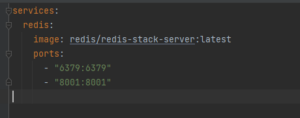
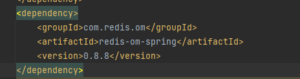
Dependency
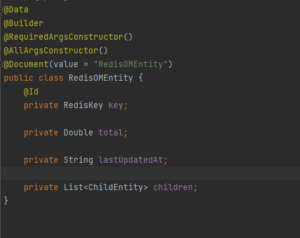
Define Entity Classes
We’ll have two class in our application, the RedisOMEntity class. We’ll use lombok to avoid having to create getters and setters. We’ll use the lombok annotations @Data, @RequiredArgsConstructor and @AllArgsConstructor.
Finally, to mark the class as a JSON document, we use the @Document annotation.
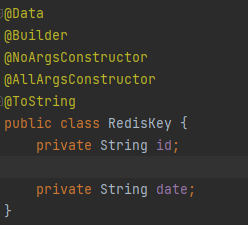
RedisKey class
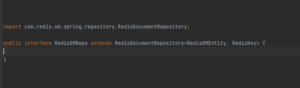
Redis OM Spring Document Repositories
Working with Redis OM Spring Document Repositories lets you seamlessly convert and store domain objects in Redis JSON keys
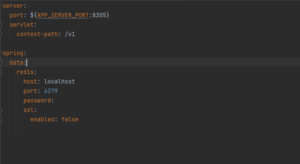
Application.yml config connect to Redis local
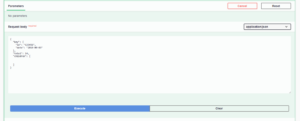
Testing Result
Create new Entity

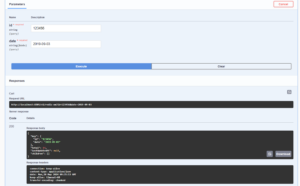
Get Entity by key
http://localhost:8305/v1/redis-om?id=123456&date=2019-09-03
Strengths and Weaknesses of Using Redis OM
Strengths:
- Performance: Redis OM benefits from Redis’s in-memory data store, offering high speed data access
- Ease of Use: Provides an ORM for Redis, simply development and reducing the learning for developers familiar with ORMs.
Weaknesses:
- Memory Usage: Being an in-memory data store, Redis can consume significant memory, which may become a limitation for very large datasets.
- Durability: Redis being in-memory, may require additional configurations (like persistence) to ensure data durability and avoid data loss in case of failures.
Conclusion
In this blog, we’ve explored the integration of Redis OM with a Spring Boot application. Redis OM Spring simplifies the process of integrating Redis’s powerful in-memory data structures with Spring Boot, providing a seamless experience for developers. By leveraging Redis’s capabilities, such as supporting various data structures and enabling fast data manipulation, we can significantly enhance the performance and responsiveness of our applications.
We covered the essential steps, from setting up the development environment with Docker and Maven to defining entity classes and configuring the application to connect with Redis. With Redis OM Spring’s repository and custom object-mapping abstractions, we can efficiently handle domain objects, apply custom mapping strategies, and utilize Redis’s advanced features.
By following these steps, you can harness the full power of Redis in your Spring Boot applications, optimizing performance and scalability. Whether you’re building a high-performance web application or a complex enterprise system. Happy coding!