



this blog will help us to verify the generated contract using a provider-driven contract test.
How does Pact work?
- The consumer creates the contract file and gives it to the producer. And then the provider side gets verified against the contract.
- Now let’s explore it more.
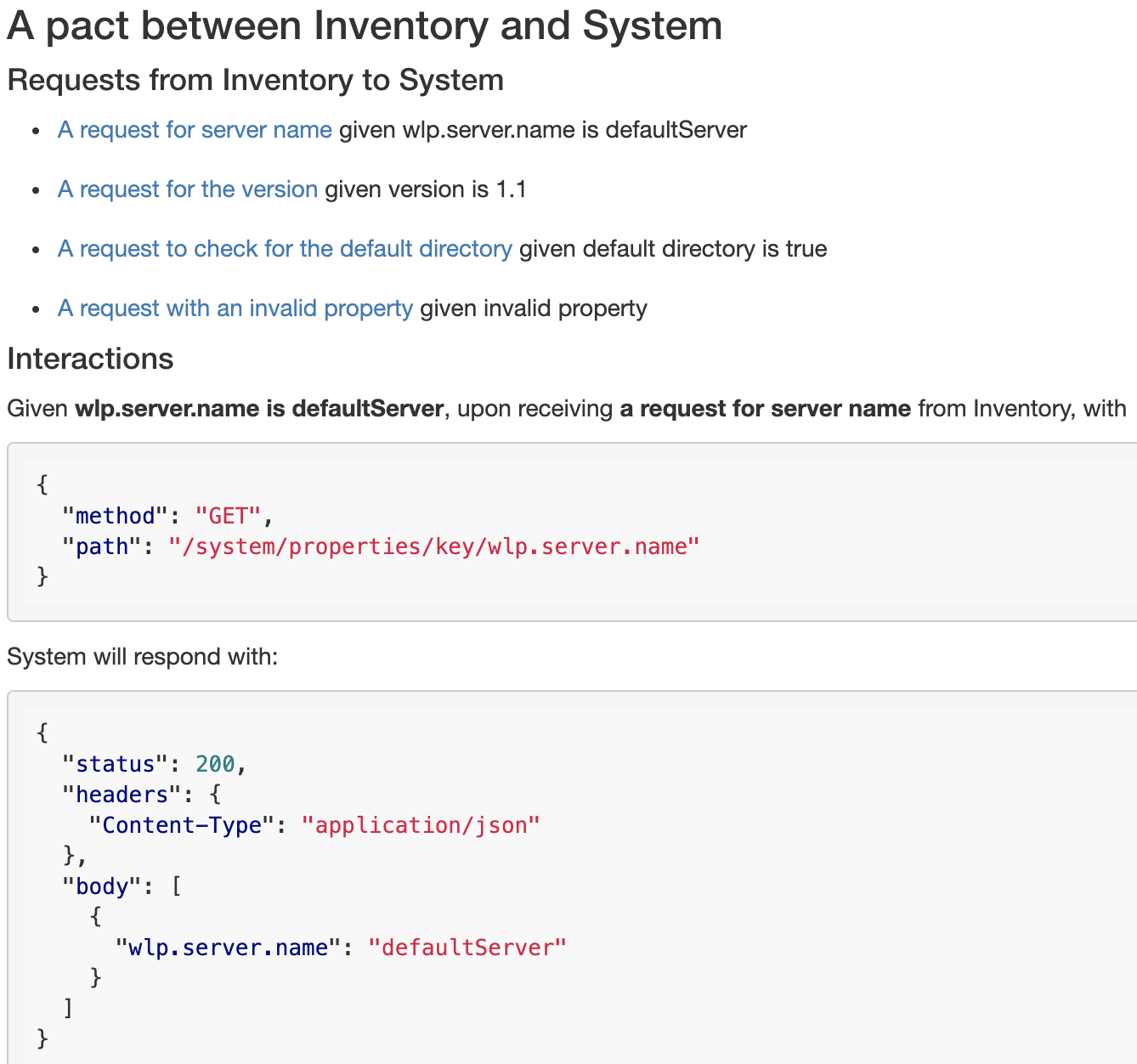
Each pact is a collection of integrations. Each interaction describes:
For HTTP:
- An expected request — describing what the consumer expects to send to the provider.
- A minimal expected response — describes the part of the response the consumer wants the provider to return.
For messages:
- The minimal expected message — describing the parts of the message the consumer wants to use.

Verifying the pact in the Pact Broker
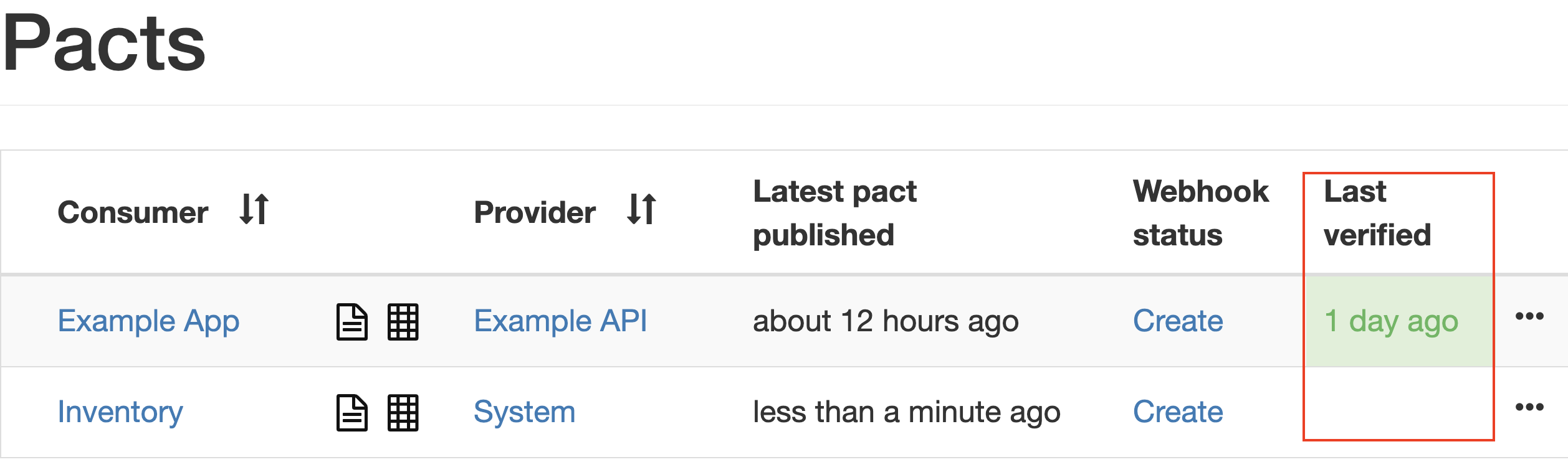
- The Pact Broker webpage at the http://localhost:9292/ URL to verify that a new entry exists.
Implementing pact testing in the system service
- Start Server for the
providermicroservice:
mvn liberty:dev- After you see the following message, your application server in dev mode is ready:
Create the ProvidertTest class file
- The connection information for the Pact Broker is provided with the
@PactBrokerannotation, so dependency also provides a JUnit5 Invocation Context Provider. - The
pactVerificationTestTemplate()method to generate a test for each of the interactions. - The
pact.verifier.publishResultsproperty is set true, So that results are sent to the Pact Broker after the tests are completed. - The test target is defined in the
PactVerificationContextcontext to point to the running endpoint of thesystemmicroservice. - The
@Statethe annotation must match thegiven()parameter that was provided in theinventorytest class, so that Pact can identify which test case to run against which endpoint. - The provider has an endpoint “/Key” and “/Version” which returns a user for a request.
@RequestScoped
@Path("/properties")
public class SystemResource {

  @GET
  @Produces(MediaType.APPLICATION_JSON)
  @Timed(name = "getPropertiesTime",
    description = "Time needed to get the JVM system properties")
  @Counted(absolute = true,
    description = "Number of times the JVM system properties are requested")

  public Response getProperties() {
    return Response.ok(System.getProperties()).build();
  }

  @GET
  @Path("/key/{key}")
  @Produces(MediaType.APPLICATION_JSON)
  public Response getPropertiesByKey(@PathParam("key") String key) {
    try {
      JsonArray response = Json.createArrayBuilder()
        .add(Json.createObjectBuilder()
          .add(key, System.getProperties().get(key).toString()))
        .build();
      return Response.ok(response, MediaType.APPLICATION_JSON).build();
    } catch (java.lang.NullPointerException exception) {
        return Response.status(Response.Status.NOT_FOUND).build();
    }
  }

  @GET
  @Path("/version")
  @Produces(MediaType.APPLICATION_JSON)
  public JsonObject getVersion() {
    JsonObject response = Json.createObjectBuilder()
                              .add("system.properties.version", 1.1)
                              .build();
    return response;
  }
}- then we can execute provider test cases using the below code.
@Provider("System")
@Consumer("Inventory")
@PactBroker(
  host = "localhost",
  port = "9292",
  consumerVersionSelectors = {
    @VersionSelector(tag = "open-liberty-pact")
  })
public class SystemBrokerIT {
  @TestTemplate
  @ExtendWith(PactVerificationInvocationContextProvider.class)
  void pactVerificationTestTemplate(PactVerificationContext context) {
    context.verifyInteraction();
  }

  @BeforeAll
  // tag::publish[]
  static void enablePublishingPact() {
    System.setProperty("pact.verifier.publishResults", "true");
  }
  // end::publish[]

  @BeforeEach
  void before(PactVerificationContext context) {
    int port = Integer.parseInt(System.getProperty("http.port"));
    context.setTarget(new HttpTestTarget("localhost", port));
  }

  // tag::state[]
  @State("wlp.server.name is defaultServer")
  // end::state[]
  public void validServerName() {
  }

  @State("Default directory is true")
  public void validEdition() {
  }

  @State("version is 1.1")
  public void validVersion() {
  }

  @State("invalid property")
  public void invalidProperty() {
  }
}
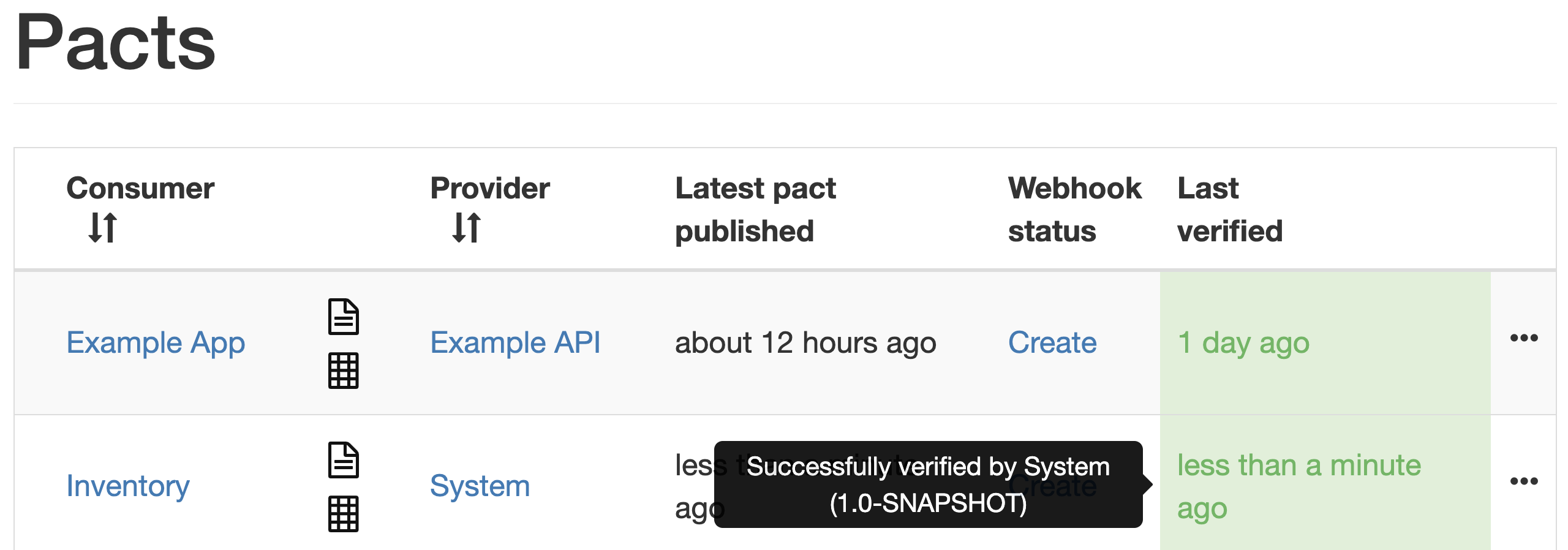
- Generated Pact (Created by Consumer microservice) was successfully verified by the provider microservice through the pact broker.
- And then the provider side gets verified against the contract.
Techhub
https://github.com/knoldus/pact.io
Reference
