


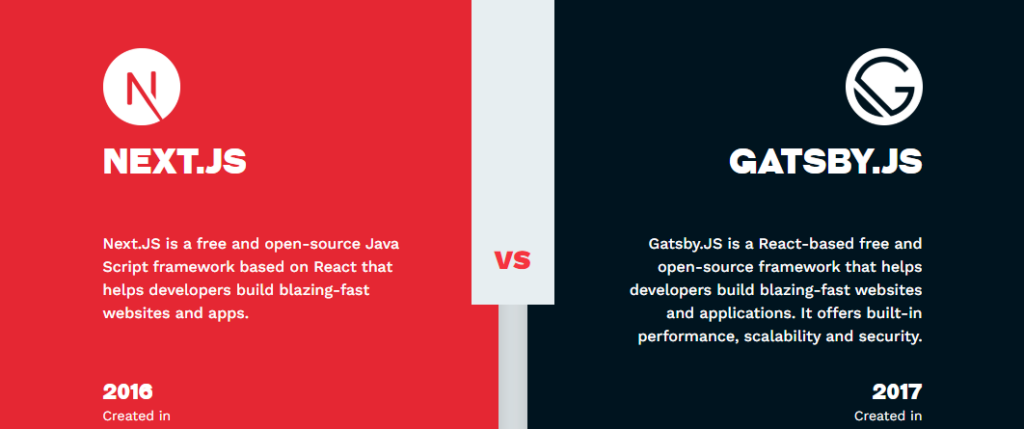
NEXT JS VS GATSBY JS
INTRODUCTION
In the ever-evolving landscape of web development, choosing the right framework or platform for your project is crucial. As we traverse further into 2025, the debate between Next.js and Gatsby.js continues to be a pivotal point of consideration for developers. Both frameworks offer unique features and advantages, catering to different needs and preferences within the developer community. Whether you prioritize performance, scalability, or ease of use, understanding the distinctions between Next.js and Gatsby.js is essential in making an informed decision for your web development endeavors. Let’s delve deeper into the comparison to shed light on which might be the optimal choice for your project in 2025.
SIMILARITIES BETWEEN GATSBY.JS AND NEXT.JS
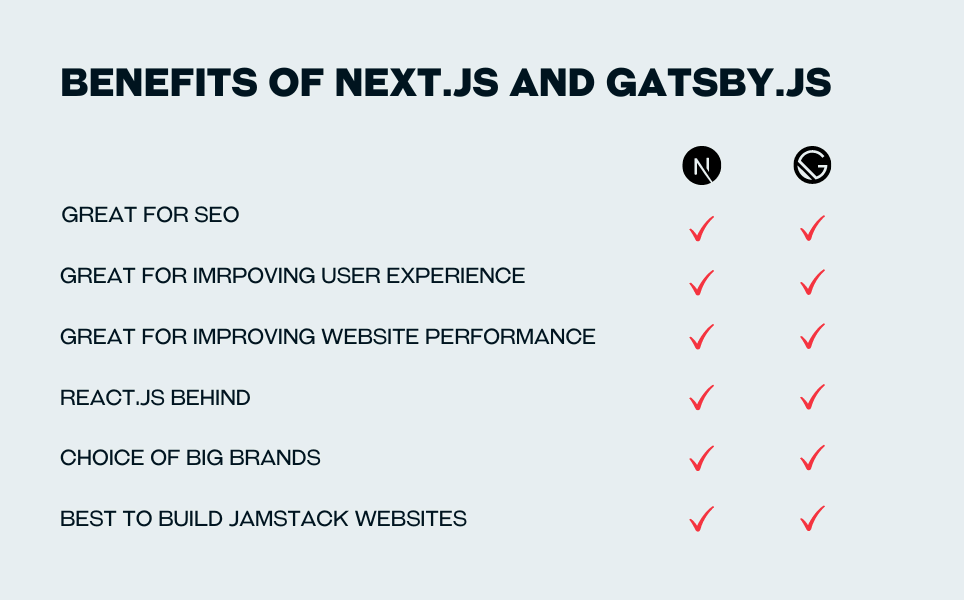
- Performant and SEO-friendly websites.
Thanks to static site generator (SSG) and server-side rendering (SSR) in both Gatsby and Next.js, your web app can be indexed in Google much more easily. This enables you to attract many more visitors through organic search traffic.
To rank higher:
- Your content needs to be well-written and SEO (Search Engine Optimization) efficient,
- You need to provide a great user experience for your visitors,
- You need to take care of website speed metrics.
Gatsby is a perfect tool for achieving performance results, as it generates static HTML for final users (and also search engines). But not to leave the competitor behind, the same thing is possible with Next JS development services. Additionally, Next.js ISR and React Server Components provide a unique advantage for sites that frequently update content but still wish to maintain high SEO rankings.
What’s more, fast load times, interactive pages, and smooth transitions are crucial for a positive user experience. Next.js advancements in reducing client-side JavaScript bloat can lead to more responsive interactions, potentially giving it an edge for highly dynamic, application-like websites.
- Leveraging React with Gatsby and Next
Both Gatsby and Next harness the power of the React framework, bringing its component-based architecture to the forefront of web development. This collaboration allows developers to benefit from React robust ecosystem, including:
- Component-Based Approach: Facilitates reusable UI components, making development more efficient and modular.
- Rich Ecosystem of UI Kits: Offers a plethora of UI libraries and tools that can significantly accelerate the development process.
- Wide Developer Community: Ensures easy access to resources, support, and shared knowledge from a vast network of developers.
- Excellent Developer Experience (DX): React and its frameworks prioritize making the development process as smooth and enjoyable as possible.
Another similarity in the competition of Gatsby vs Next.js is that those two frameworks provide a boilerplate – a fixed project structure that needs to be followed during the development.
Having a boilerplate has many great advantages. For example:
- complete documentation of the Next js or Gatsby site
- better tooling,
- easier setup,
- better development experience,
- easier project handover.
- A choice of Big Players
Both Gatsby and Next.js are used by big players who care about technology and are future-proof professionals.
KEY DIFFERENCES BETWEEN GATSBY VS NEXT.JS
Both Next.js and Gatsby are great for building super-fast and SEO-friendly websites, and the decision about which one to choose is really a matter of your project requirements.
- Data handling and rendering methods
Gatsby.js
Gatsby js originally started as a static site generator (SSG), where it would pre-render pages at build time. This means that the pages are generated during the build process and served as static HTML and assets. This approach provides excellent performance and SEO benefits.
Later, Gatsby introduced server-side rendering (SSR) and client-side rendering (CSR) capabilities. This option (in version 2.0) allowed developers to opt for server-side rendering on specific routes instead of the traditional pre-rendering. This allowed for dynamic content fetching on the server side and combining it with the static content.
Gatsby’s data handling is deeply integrated with GraphQL. In Gatsby, you can source or load data from various plugins and APIs using GraphQL queries. Gatsby’s data layer (or GraphQL data layer) allows you to fetch data at build time and create static pages with that data. This pre-rendered approach is highly performant and SEO-friendly.
You can also use Gatsby’s “Server Rendering APIs” to perform SSR for dynamic content. This involves data fetching on the server side during runtime and combining it with statically generated content.
But there’s even more. In version 4.0, Gatsby introduced Deferred Static Generation (or DSG) – a rendering method that seeks to delay or defer the building of certain pages until run-time. These deferred pages are marked during build-time and then actually built during run-time.
Next.js
On the other hand, Next js initially was a server-side rendering (SSR) tool, but since version 9.3 it also supports static site generation. But there’s more for Next.js, as it has an Incremental Static Regeneration (ISR), which allows you to create or update static pages after you’ve built your site. In other words, it makes building dynamic websites even easier.
In this case, Next.js is much more flexible, as he enables developers to decide for themselves how to approach data fetching.
Additionally, in 2023 Next.js 13 was released, promising an even better future!
The list of Next.js benefits is growing with every release. The most important among them are:
- Turbopack, the new Rust-based successor to Webpack brings: 700x faster updates than Webpack, 10x faster updates than Vite and 4x faster cold starts than Webpack
- And of course, Next.js App router – this new paradigm of building apps was released at the beginning of May 2023. We can say it opens the doors to upgraded developer experience, rendering performance, and the mental model. This update brought new benefits, like:
- Streaming app elements to the user – Thanks to using React Server Components, app elements can be streamed to the customers in the blink of an eye, so they can interact with an app without waiting for the full load
- Rapid render of the application using static rendering methods
- Enhanced development efficiency thanks to the server-centering routing
- Server Components allow you to define components that execute on the server during rendering and then stream updates on the user requests. This process provides benefits such as improved initial load times, reduced JavaScript bundle sizes, and improved SEO.
3. Also, in Next.js 14, a new partial prerendering was introduced, which enables dev to prerender parts of the web application while leaving other parts to be rendered client-side or server-side as needed. This solution balances static generation and dynamic rendering, catering to the specific needs of various page content types within a single application.
- Community – Next.js or Gatsby?
We can see a huge difference between Next.js and Gatsby in the matter of popularity and developers pool, and we think that the numbers speak for themselves here:
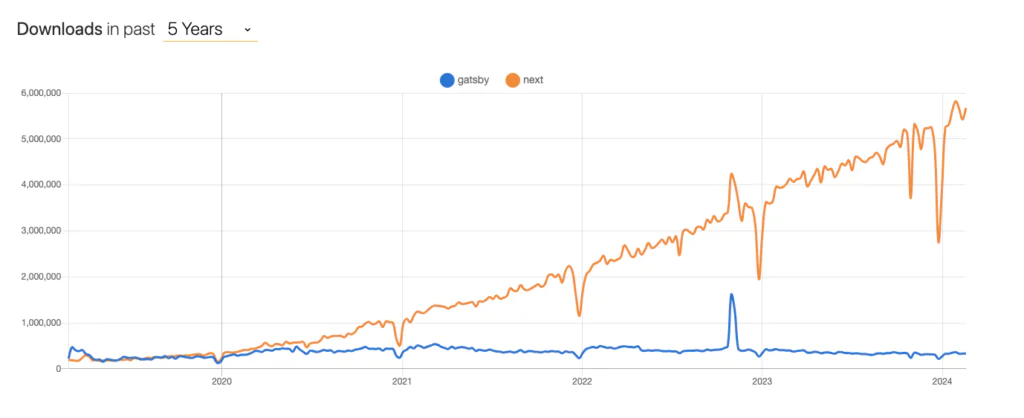
On Github we also can see a huge predominance of Next.js, see the stats below:
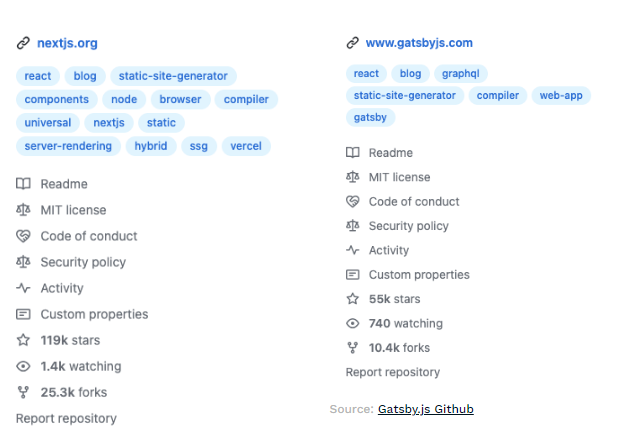
From all of the stats and numbers, we can clearly see, that Next.js is much, much more popular than Gatsby. And, as a result of this, the Next.js developers pool is bigger, which means that finding an experienced dev for your team (internal or for team augmentation) is much easier.
BEST USE CASES FOR NEXT.JS SITES

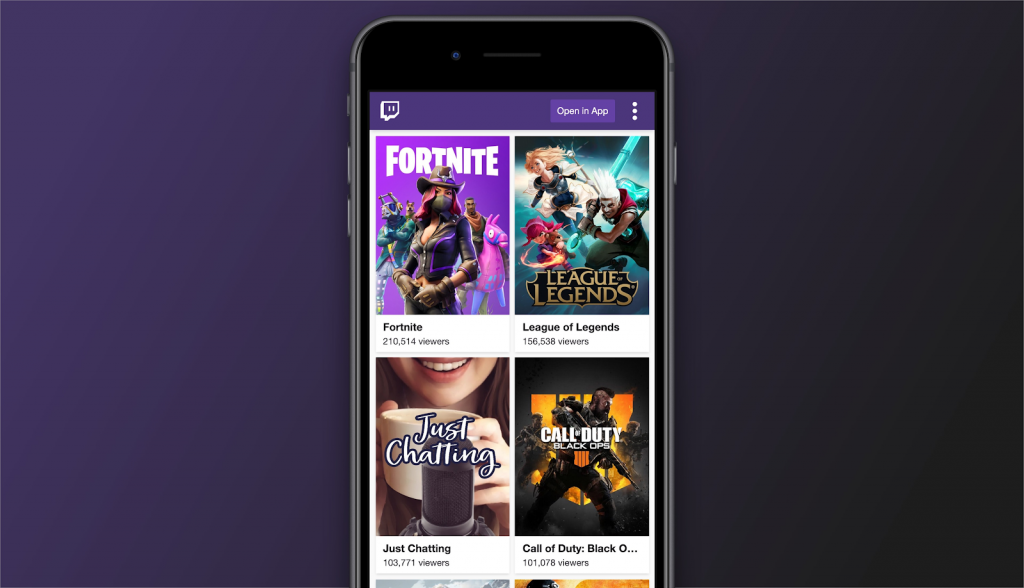
Large multi-user websites
For large multi-user platforms and the amount of data generated by its users in real-time, it’s not a surprise that the crucial and absolutely most important thing is performance. On top of that, “real-time” means rendering needs to be done constantly, with the newest data available.
This could be quite a challenge for Gatsby. And this is why in case of large multi-user websites, Next.js is the ultimate winner. And this is why in case of large multi-user websites, Next.js is the ultimate winner. Also, ISR allows for pages to be updated after they’re built, providing the freshness of dynamic content with the speed of static sites. This is ideal for news sites, social media platforms, and any site requiring up-to-date content.

Client-side rendered applications (SPA/MPA)
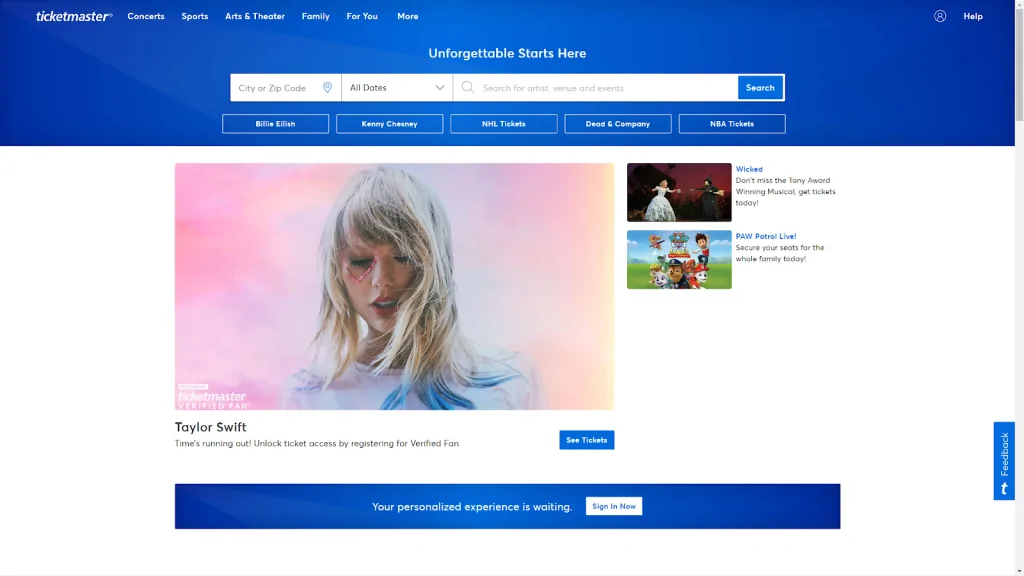
SPA is a web application or website that interacts with the web browser by dynamically rewriting the current web page with new data from the web server, instead of the default method of the browser loading entire new pages.
SPA is a perfect solution to build an exceptional and rich interaction between the user and your application.
Top Single Page Application requirements should be:
- Super performant
- Ability to support feature-rich apps
- Great user experience
The goal is faster transitions that make the website feel more like a native app. And here Next.js excels because it greatly supports hybrid applications that can utilize both server-side and client-side rendering, catering to complex applications that require dynamic user interactions without compromising on initial load performance. It also includes API routes, allowing developers to build APIs directly within their Next.js applications, which simplifies the architecture for modern web applications that rely on backend data.

Big eCommerce Websites
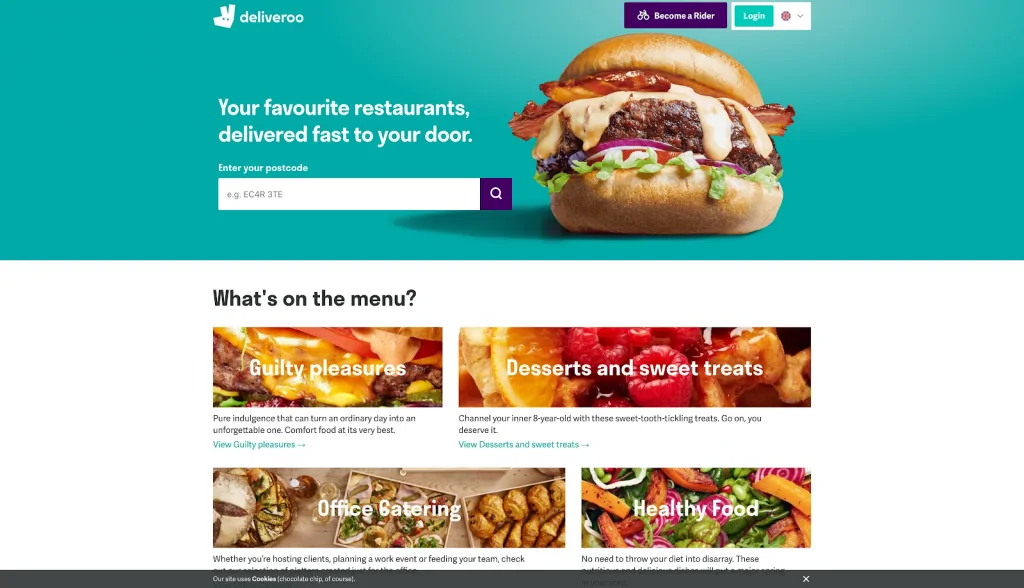
Conversion is crucial for eCommerce platforms, as the ultimately successful user path should end up with a sale.
Besides that, if a small change will come, it needs to be visible everywhere, therefore, the production of SSG pages would take ages in that case.
For Big eCommerce, the most important factors are:
- Speed
- Custom user experience
- Ability to make frequent changes
- Integrations with third-party systems like: PIM, marketing automation, ERP.
Next.js is better suited for sites and portals where content personalization and real-time updates are critical. Its SSR and dynamic routing capabilities enable personalized content delivery and interactive features. Additionally, for platforms with heavy user interaction and data processing, Next.js provides the necessary infrastructure to scale efficiently and maintain performance, thanks to its server-rendering capabilities and optimization features.

Web portals
The success of a web portal is mostly dependent on his performance, as a huge amount of data is constantly added in real-life time by it’s users (user generated content).
The other important factor for web portals is personalization and security.
Take a medical portal with a fragile health data of thousands of patients. You need to have something extremely safe and in many cases encoded & decoded in real time.
We could say that the most important factors for web portals are:
- Super performant
- Secure
- Able to support custom features
- Full support for real-time user generated content
And this is why Next.js is the winner in this case, as it would be incredibly hard to interact with users just by using static pages. Of course most of these functionalities you can achieve in Gatsby using third party services, but without them Next is a clear winner.

BEST USE CASES FOR GATSBY SITES
The great source of Gatsby sites examples is Gatsby Showcase but to have a full picture of Gatsby features let me present you a few other examples.
Corporate websites (companies, service websites, quick landing pages)
Corporate websites are like digital business cards. They need to work superfast and are not updated very frequently. And that’s a perfect case for a static site landing pages.
These kinds of websites are displaying the same information for anyone visiting the site (no user authentication & register functionalities, just plain information).
So, a corporate website requirements will be:
- Great user experience (preloading)
- Great performance (Google Page Speed)
- Full SEO support (static HTML output)
- Integration with (headless) Content Management System (CMS)
As Gatsby static site generator performance is better than Next JS server side rendered websites together with SSG, Gatsby is the winner for building static corporate websites.
In corporation entire site should be managed by CMS and this is also why it wins over Next, as Gatsby supports plugins to get content from almost all CMSs, databases, REST APIs, and GraphQL.
In summary, Gatsby wins because of:
- Better performance than Next JS
- Shorter development time with a wide range of Gatsby plugins, starters, themes and integrations with headless CMSes
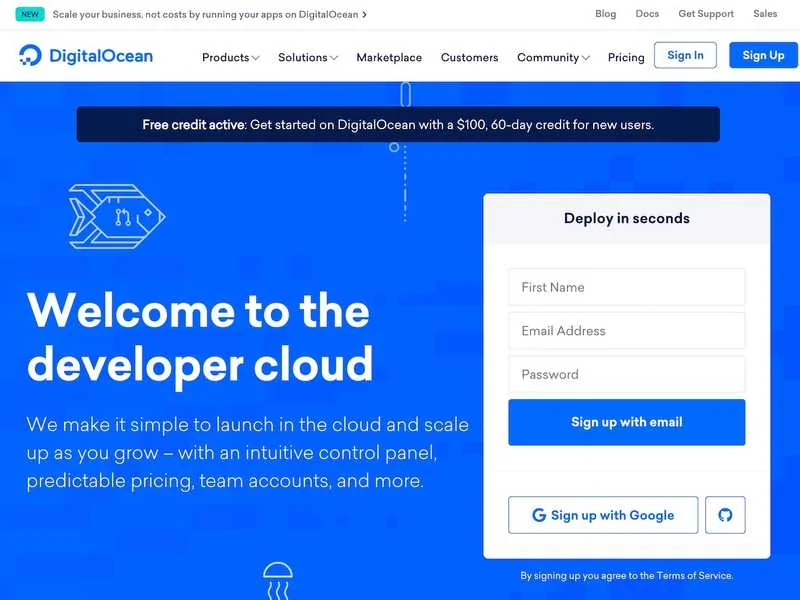

Public pages for any B2B or SaaS product websites
The main goal of B2B and SaaS websites is to convert visitors into customers.
This is where speed and user experience are both extremely important factors.
When you have calculated the cost of your lead you are now able to estimate and calculate ROI of a faster website (with lower bounce rate and higher organic search traffic).
B2B and SaaS product website requirements:
- Great User Experience & Performance
- Full SEO support
- Integrations with user analytics, and automation marketing tools
- Integrations with CRM
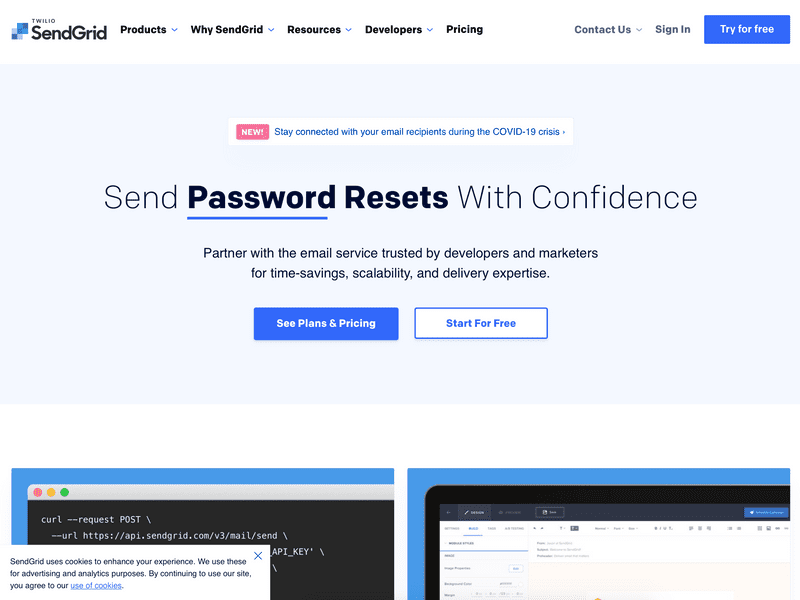
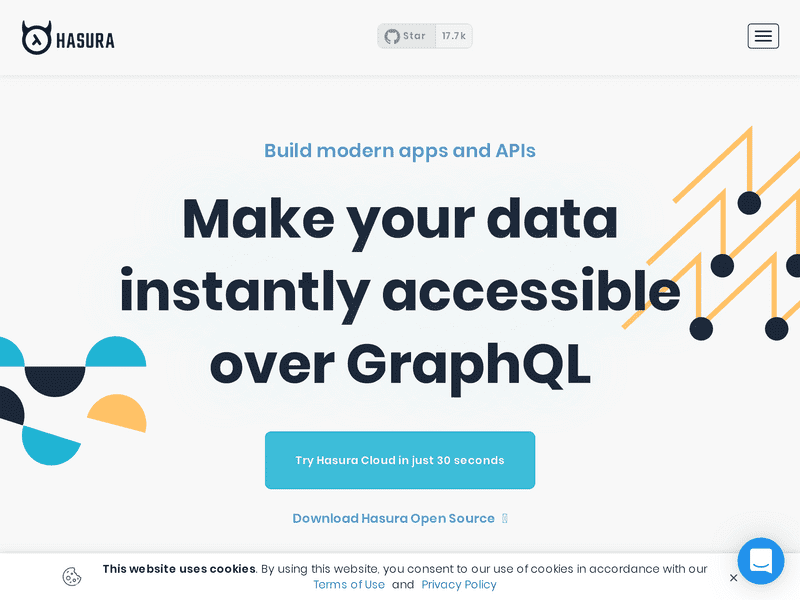
And once again, the winner here is Gatsby.js, mostly because of:
- Better performance than Next JS
- Shorter development time with a wide range of Gatsby plugins, starters, themes and integrations with headless CMSes
Personal blogs
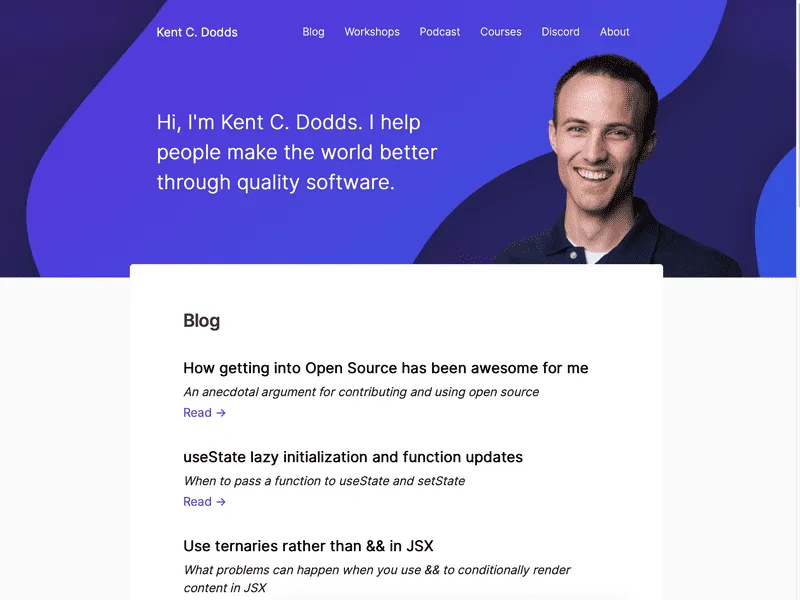
As an individual you want to have a blog that is:
- Cheap to host
- Easy to Edit
- Advanced in technologies
Any static generated website is cheap to host, as you can host it for free using:
- GitHub Pages
- Netlify
- Vercel
One of the most important things in having a blog is to be extremely SEO efficient, and obviously, it’s great to save cost on hosting, and this is why Gatsby is a winner here.

GATSBY VS NEXT.JS – THE WINNER?
Today it seems like Next.js is winning the battle at pretty much any area, and we can see that on the market and among our customer’s preferences.
Of course, the final verdict between Gatsby vs Next.js is highly dependent on what you are aiming for. If the goal is to have a super fast website that doesn’t need much updates, then Gatsby.js seems to be a good move.
However, if you want to have a super fast and user-friendly page that needs constant updates, is tailor-made for your needs, and you should definitely consider Next.js.