


Introduction
- With the growing trend of data analysis and discovery, it is becoming more and more important to explore valuable insights into various aspects of life, such as business, healthcare, education, as well as mining quality data to train AI models, etc., are increasingly growing and important. This leads to challenges in data discovery, processing and filtering methods to extract quality and valuable information.
- Databricks has emerged as a unified platform with powerful capabilities on Azure, AWS, Google Cloud – to support analysis, processing, building, deployment, verification, sharing, and maintaining of enterprise-grade data, as well as serving as an AI solution for large-scale businesses.
- From a testing perspective, we can take advantage of Databricks through the interface and tools provided, with the purpose of building testing activities in a convenient and professional way.
Potential in Testing field
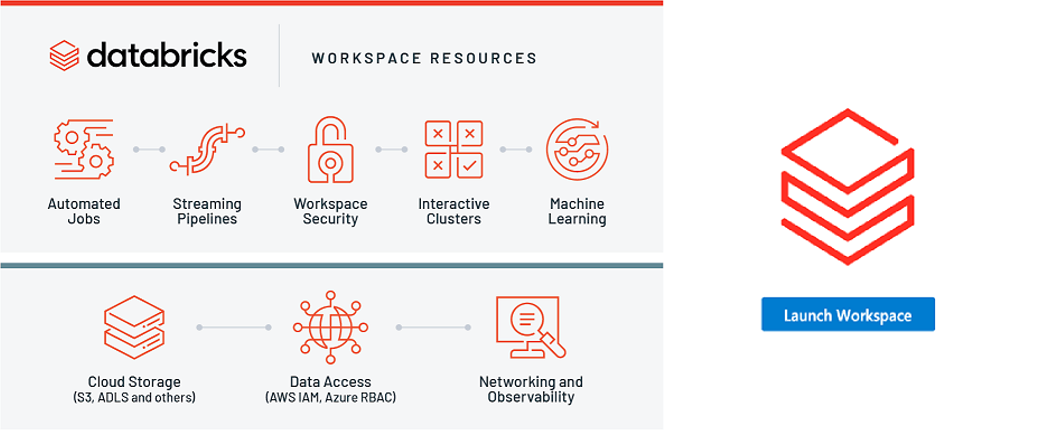
Databricks is not only a powerful platform for processing huge data but can also be leveraged for testing based on the features and unified environment provided.
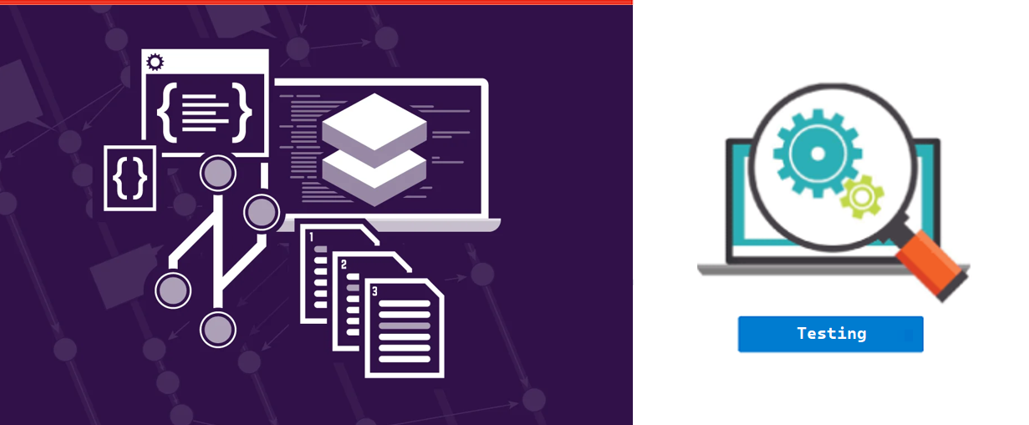
With diverse support and a focus on workspace uniformity, Databricks can bring many benefits to the testing process, such as the following:
- Centralized: Databricks provides an integrated environment for many teams (including testing team also), allowing them to work focused and productive. Integrating tools and services in a single platform reduces fragmentation and increases efficiency during testing.
- Consistency: Databricks offers integrated tools and services, allowing testers to work consistently across the entire testing process as a uniform and efficient working environment.
- Enhanced Productivity and Cost Reduction: With the flexibility and efficiency in data processing supported by DataBricks, testers can save time and effort, thereby increasing work productivity and reducing project costs. Utilizing utilities properly helps automate the testing process and delivers better results.
Approach to Testing
With the powerful and extensible capabilities of DataBricks, it can carry out common aspects of testing conveniently and effectively.
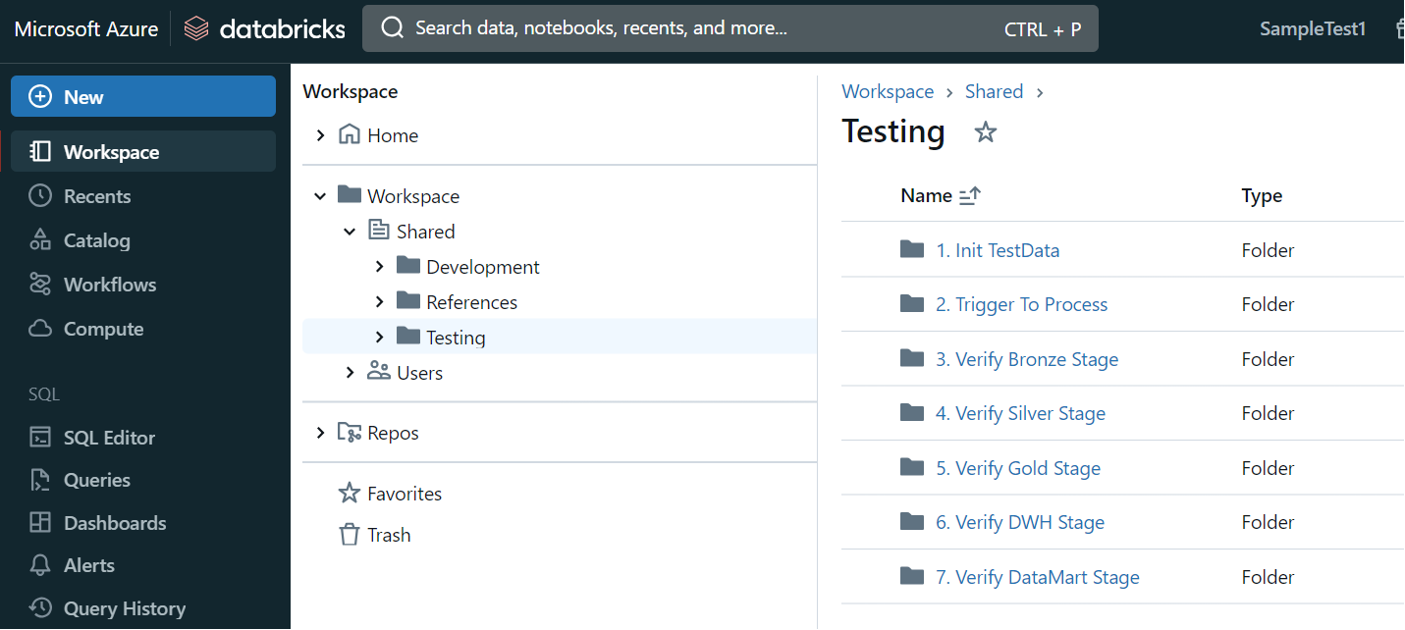
Workspace Setup
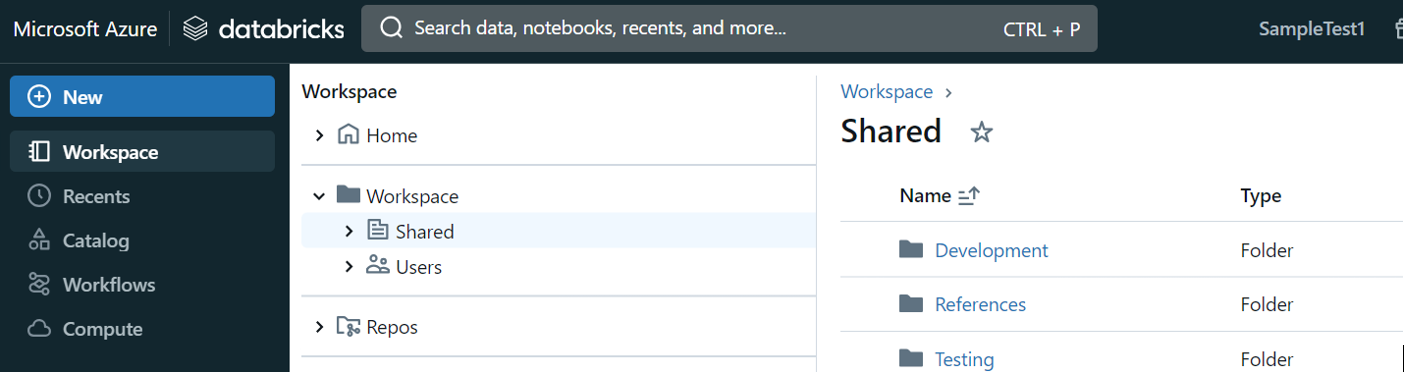
Through Databricks, we can set up a Shared Workspace for multiple teams in the data field (including testing team).
Test Script Development
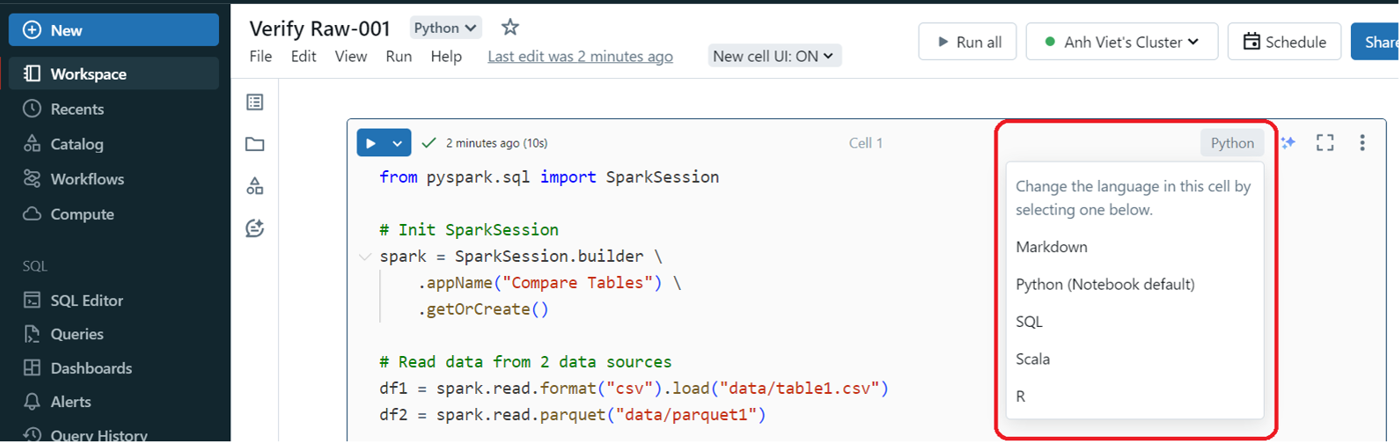
Tester can construct test scenarios via Notebook, with support for programming languages like Python, Scala, SQL, etc. to script tests and verify data functionalities.
Test Script Execution
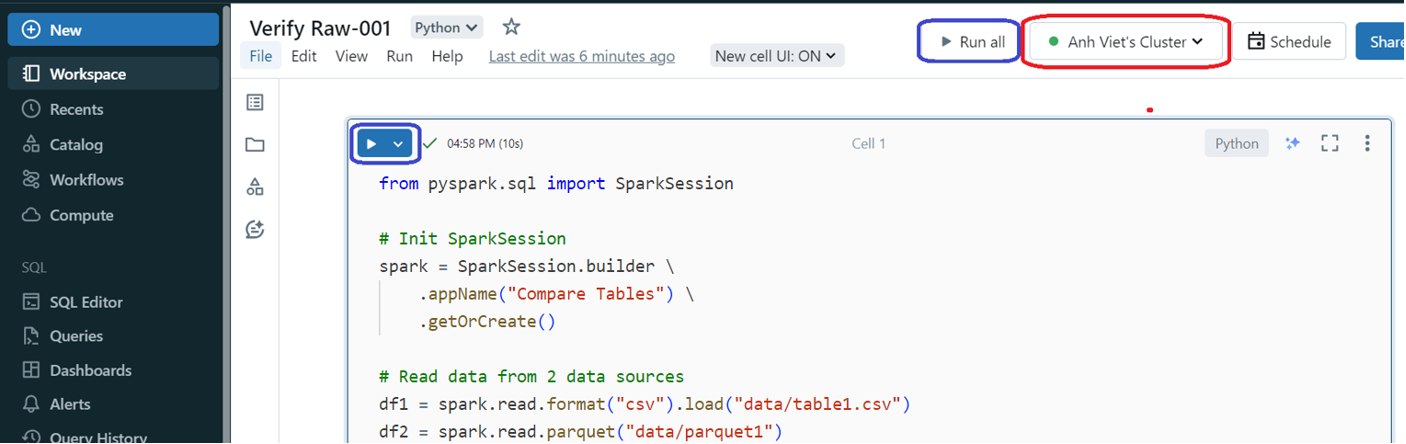
Tester executes test scripts through the Cluster (with support for direct processing on the cloud’s powerful computing resource platform). It’s possible to run on sample datasets or real data from the data warehouse.
Scheduling
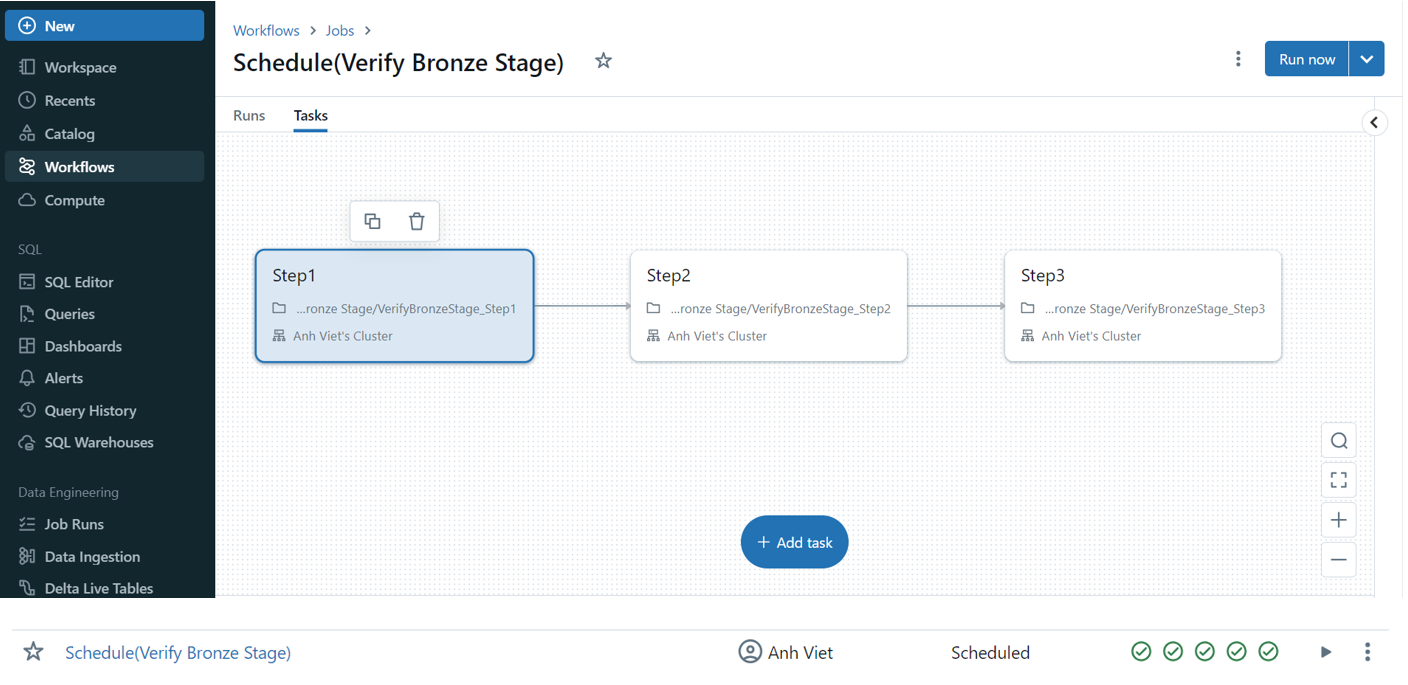
Databricks allows users to set up Workflows to schedule Test Execution automatically based on predefined trigger time. This approach leads to convenience, moving towards automation and minimal manual intervention.
Reporting
Through Databricks, testers can access results in an intuitive and professional way. These reports help the testing team understand the output from testing better, thereby identifying issues that need to be resolved.
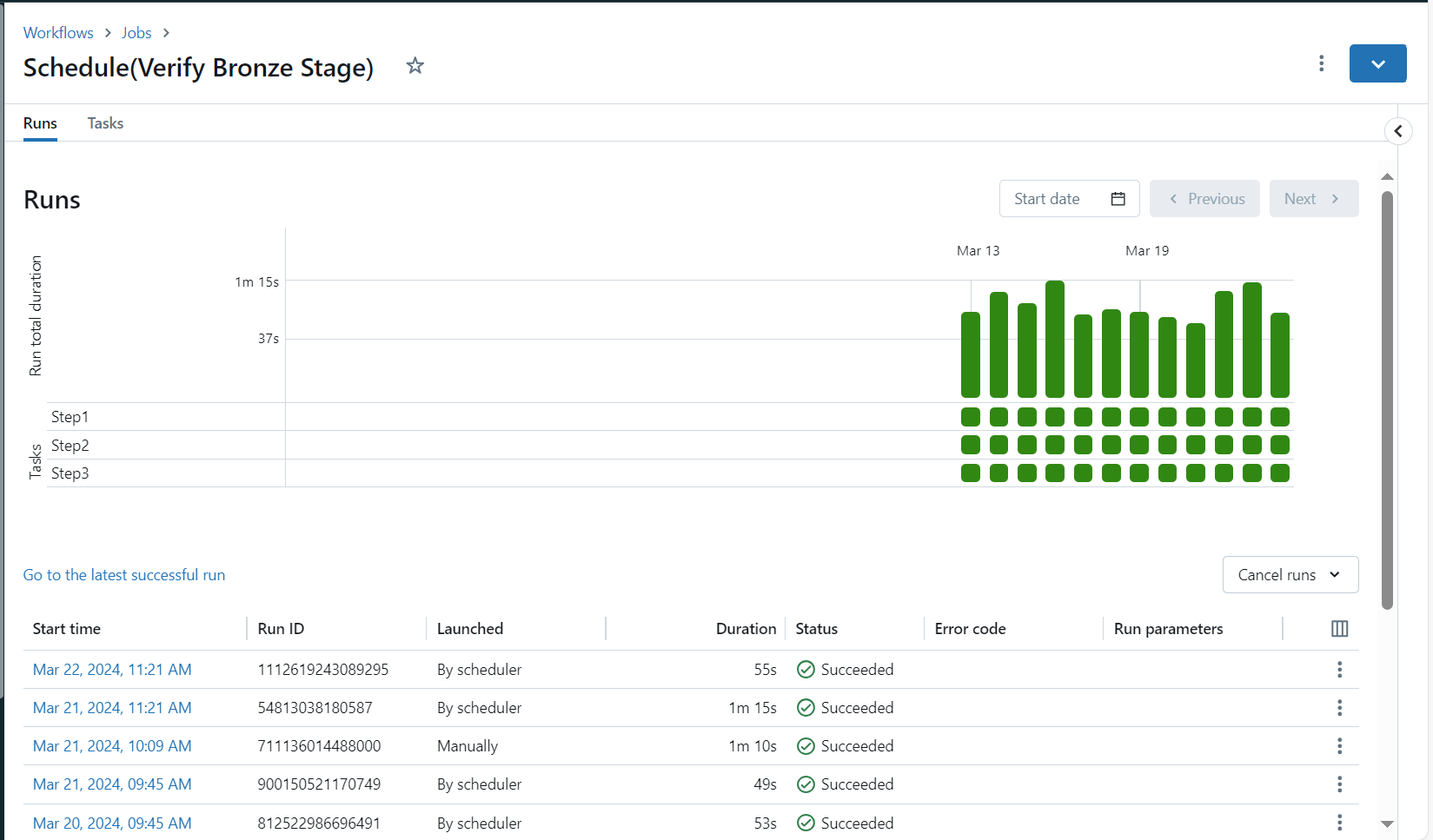
Quick Demonstration
Conclusion
- Through projects using Databricks in operation and processing, we can build solutions related to data processing as well as related testing based on a unified environment. Leveraging the powerful capabilities provided by the platform, testing teams can build testing operations efficiently and professionally.
- With powerful accessibility features from DataBricks, aspects of processing and automating tasks will also be more realistic and available.
- Based on the powerful utilities provided by Databricks via the strength of data processing, we can also reach the vision of AI Model training (based on mined quality data) to support some aspects in Testing field that can also be conducted.
References
https://www.databricks.com/databricks-documentation
https://docs.databricks.com/en/compute/configure.html
https://www.databricks.com/resources/demos/videos/developer-experience/notebook-basics
https://docs.databricks.com/en/workflows/jobs/create-run-jobs.html