


Balancing Speed and Quality: The Role of Manual Testing in Agile and DevOps
Modern software development paradigms like Agile and DevOps have transformed the development phase especially because technology offense is still the best defense. Agile is known for increasing adaptability, flexibility, and speed of the product release cycle, whereas DevOps connects development teams and operations teams to help deliver the product to users faster. The rapidity within the testing field caused a growing trend of automated testing for less costly, quick repetitive performing tests. But there is some very vital role that very automated test can not automates so the manual testing is still remain in demand.
With manual testing, humans can now experience quality by functional tests and practical experience directly. Along with identifying problems, it also checks usability, user experience, and product fitness into the real-world scenario. In this essay, I will discuss the importance of manual testing in agile and devops environments and why manual testing is still a vital part of the modern-day software development process, even with the demand for automation rising high.
The Irreplaceable Role of Manual Testing in Agile
Agile methodology separates all projects into a number of short cycles (sprints), where planning, developing, testing and completing specific features are run together. Agile moves fast, and being able to adjust and adapt quickly within a project means that testers have to make sure not only that code passes the technical requirements but that it is also usable. Testers can directly interact with the product, simulate the actions of a real user, and identify user experience, performance, and usability issues that require an interactive exploration of the product.
Exploratory testing, which allows testers to explore and experiment with various user flows and report unexpected bugs or inconsistencies that are not covered by previously created test cases, is in fact one of the most important tasks in the Agile manual testing domain. While the first point also takes precedence in an Agile environment where requirements may change rapidly, manual testing can quickly and flexibly adjust for these changes while automating releases may need to constantly adapt its test scripts.
The Role of Manual Testing in DevOps
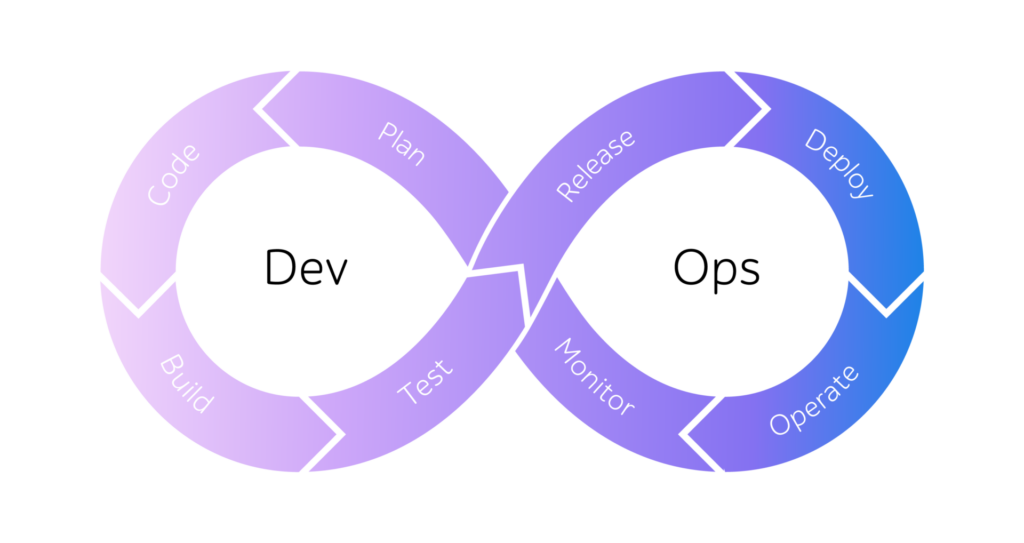
DevOps approach is the continuous development, testing and deployment of software. This methodology involves both your development and operations teams working together to bring products to market as quickly as they can. Automated testing serves an important purpose to execute repetitive regression tests to ensure stability, while manual testing is equally necessary (in smoke testing and acceptance testing). They ensure the product is within quality standards before deployment through such manual tests.
As DevOps requires frequent builds and deployments, tests need to be run in quick sessions to validate key application functionalities before moving builds to production. That reduces the risk of going unnoticed about the bugs and also assists carrying out the tests which are not in the automated scripts. Besides, manual testers are able to facilitate the deployment process by rapidly checking if new features align with user expectations and function properly in real world environments.
Ensuring Human Insight and User Experience
Of the many advantages of manual testing, the most important is user experience (UX) assessment. Automated tests pick up logical errors and performance and functional problems quite fast and well, but only the human testers can truly grasp and interpret the user experience. Manual testers, for instance, can review the interface structure, content, and application responsiveness, providing targeted suggestions regarding ease of use, and much more. This is especially important for any solution with UI components that end users will interact with, as usability and satisfaction can make or break a product.
Identifying Complex, Unpredictable Bugs
Manual testing is important for finding the hard-to-find, subtle bugs that automated tools miss. Conflicting user interfaces, functional logic mistakes during actions and inconsistencies in system adaptability do appear but usually at human touch points with the product. Adjusting the flow, Manual testing is essential for catching new problems in Agile and DevOps contexts, where needs and features are in constant flux, but developers may not foresee. Because Agile and DevOps practices focus on rapid product changes, manual testing adds a human element that is essential to software quality.
The Critical Risks of Weak or Absent Tester in DevOps
In a DevOps context, the lack of expert Tester specialists, or the presence of inexperienced tester staff, can have far-reaching negative consequences for software development and delivery. Without strong tester practices, software is published with undetected flaws that might jeopardize functionality, security, and usability. This results in unstable products, bad user experiences, and higher expenses to remedy issues in production environments, where problems are frequently more expensive and disruptive to rectify.
One of the key dangers associated with poor quality control in DevOps is the disruption of the continuous integration and deployment pipeline. DevOps thrives on rapid, iterative development cycles, and insufficient quality control can lead to undetected flaws in automated testing methods, resulting in false positives or negatives. These problems spread down the pipeline, slowing deployments and weakening trust in the system. Teams are obliged to revert or rectify problems after deployment, wasting critical time and money.
Furthermore, inefficient quality control jeopardizes consumer pleasure. For example, poorly tested usability elements may result in a confusing interface or non-intuitive workflows, which have a direct impact on user retention and brand reputation. If security weaknesses are not addressed, firms may face data breaches, regulatory penalties, and reputational damage.
At the organizational level, a shortage of qualified tester hinders teamwork. Developers become frustrated when testing systems provide subpar feedback, which causes inefficiencies and strained relationships between teams. Stakeholders also lose faith in the product’s dependability, which delays go-to-market plans and negatively impacts corporate results.
Ultimately, a key component of effective DevOps procedures is strong quality control. Without it, the DevOps tenets of speed, quality, and teamwork are seriously compromised, putting businesses at a competitive edge and providing customers with mediocre software experiences.
The Irreplaceable Value of Manual Testing in Modern Software Development
Even with such automated testing revolutionized, manual testing is part of Agile and DevOps testing approaches. It provides you with some freedom, can quickly adapt, and most importantly, you get a direct insight into the user perspective. Manual testing is not only helpful in finding complex problems, but also for gaining a real user experience, which ensures that the product meets the expectations of the end-users.
In DevOps environments, the role of manual testing is significant in continuous development and risk reduction at the time of deployment. To conclude, though automation, without question, is a powerful asset in the world of software testing, it can never completely replace manual testing, as it provides a human element and provides insights assessments that technology is still far from replicating. Technically, manual testing is still important in Agile and DevOps as it leads to the assurance of quality, reliability, and user experience of software products.
References:
https://www.qamadness.com/the-role-of-manual-testing-in-devops/
https://www.bmc.com/blogs/devops-testing/
https://devops.com/continuous-testing-the-key-to-quality-assurance-in-the-devops-era/