



Introduction:
As developers, we’re constantly on the lookout for tools and technologies that can supercharge our applications. In the realm of data storage and caching, Redis emerges as a game-changer, offering blazing-fast performance and versatile functionality. In this guide, we’ll delve into the world of Redis, exploring its core features, use cases, and how it can turbocharge your development workflow.
What is Redis?
Redis, which stands for Remote Dictionary Server, is an open-source, in-memory data store that acts as a high-performance key-value database, cache, and message broker. It’s lightning-fast, persistent, and supports various data structures such as strings, hashes, lists, sets, and sorted sets.
Key Features and Data Structures
Redis boasts an array of features and data structures that make it a developer’s delight:
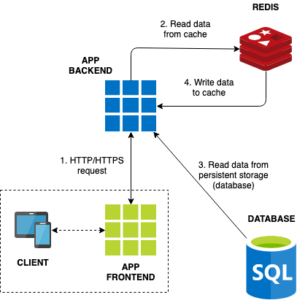
- In-Memory Data Store: Redis stores data in memory, making it lightning-fast for read and write operations. This makes it perfect for caching frequently accessed data or transient application state. For example, you can cache the results of expensive database queries to speed up subsequent requests.
- Versatile Data Structures: Redis supports a variety of data structures, including strings, hashes, lists, sets, and sorted sets. This versatility enables developers to model complex data types and perform advanced operations with ease. For instance, you can use Redis sets to implement user authentication tokens or use sorted sets to implement leaderboards in gaming applications.
- Persistence: Redis offers multiple persistence options, including snapshots and append-only files, ensuring that your data is durable even in the event of a server crash or restart. This durability is crucial for applications that require data persistence beyond system restarts.
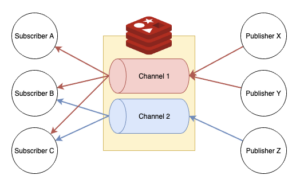
- Pub/Sub Messaging: Redis includes built-in support for publish/subscribe messaging, allowing applications to implement real-time communication and event-driven architectures effortlessly. For example, you can use Redis pub/sub to implement chat applications, real-time notifications, or broadcasting updates to multiple clients.
Common Use Cases
Redis finds application in a wide range of scenarios across different industries:
- Caching: Use Redis as a cache to store frequently accessed data and reduce latency in your applications. Whether it’s caching database queries, HTML fragments, or API responses, Redis can significantly improve performance.
- Session Storage: Store session data in Redis to maintain user sessions across multiple instances of your application. Its fast read and write speeds ensure quick session retrieval and updates, enhancing user experience.
- Real-Time Analytics: Utilize Redis’s data structures and atomic operations to implement real-time analytics solutions. From tracking user interactions to computing real-time statistics, Redis excels in processing high-volume data streams with low latency.
- Job Queues: Implement job queues using Redis lists or sorted sets to manage background tasks and asynchronous processing. Redis’s atomic operations and reliable messaging capabilities ensure smooth job execution and job scheduling.
Getting Started with Redis
Ready to dive into Redis? Here’s how to get started:
- Installation: Install Redis on your local machine or set up a cloud-based Redis instance. You can download Redis from the official website or spin up a Redis instance on popular cloud platforms like AWS, Azure, or Google Cloud.
- Configuration: Configure Redis according to your requirements, including setting up persistence options, authentication, and network settings. For example, you can configure Redis to use AOF (Append-Only File) persistence for durability and set up authentication to secure access to your Redis instance.
- Integration: Integrate Redis into your application using one of the available client libraries. Redis client libraries are available for popular programming languages like Python, JavaScript, Java, C#, and more. For example, you can use StackExchange.Redis library in .NET applications to interact with Redis.
- Development: Start leveraging Redis in your application for caching, session storage, messaging, or any other use case that suits your needs. Experiment with different data structures and features to unlock Redis’s full potential. For example, you can use Redis hashes to store user profiles or use Redis sets to implement access control lists.
Conclusion
Redis is a powerful tool in the arsenal of modern developers, offering unparalleled speed, flexibility, and functionality. Whether you’re building web applications, microservices, or real-time systems, Redis can elevate your development workflow and unlock new possibilities. So why wait? Dive into Redis today and harness its power to build faster, more responsive applications that delight users and drive business success.