


Integrating AI with FullStack Developer is no longer optional — it’s essential. As AI becomes part of every modern application, businesses need developers who can bring intelligence into the product architecture from day one.
That’s where a FullStack Developer becomes essential. When it comes to integrating AI, they are the ones who can connect everything: frontend UX, backend logic, LLM APIs, vector search, cloud infrastructure, and more.
📚 If you’re new to this series, start with Part 1: AI FullStack Developer in the Age of AI and Part 2: Why Businesses Hire AI FullStack Developers
1. Why Integrating AI Requires a FullStack Developer
AI APIs may seem plug-and-play, but production-grade integration demands much more. A FullStack Developer bridges the gap between backend logic, frontend experience, and intelligent AI behavior — all in one system.
Many product teams underestimate the complexity of AI integration. While tools like OpenAI API or Anthropic provide exceptional capabilities, using them in production requires:
- Secure API access
- Prompt management
- Rate limiting & cost tracking
- Fallback logic
- Contextual data enrichment
This is not something a traditional frontend or backend dev can handle alone. You need someone who sees the full system.
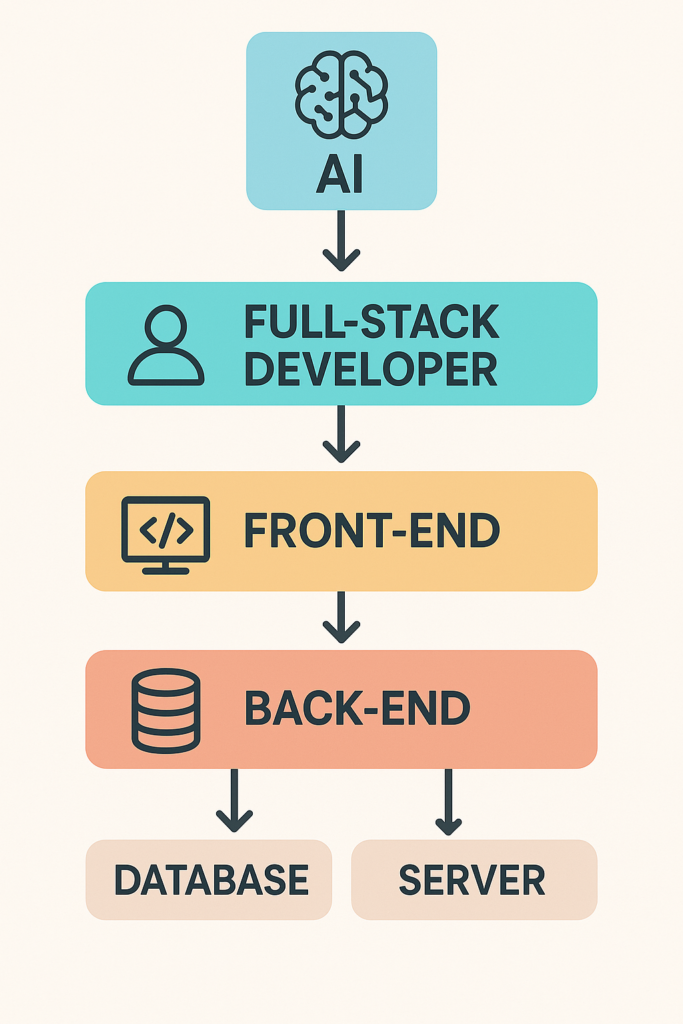
2. A FullStack Developer’s Role in AI-Ready Architecture
A FullStack Developer understands:
- How to fetch and structure data to feed LLMs
- How to render real-time AI output in the UI
- How to store embeddings in vector databases
- How to secure and monitor LLM usage
For example, integrating LangChain with a Next.js interface and a NestJS backend requires someone fluent in all three languages.
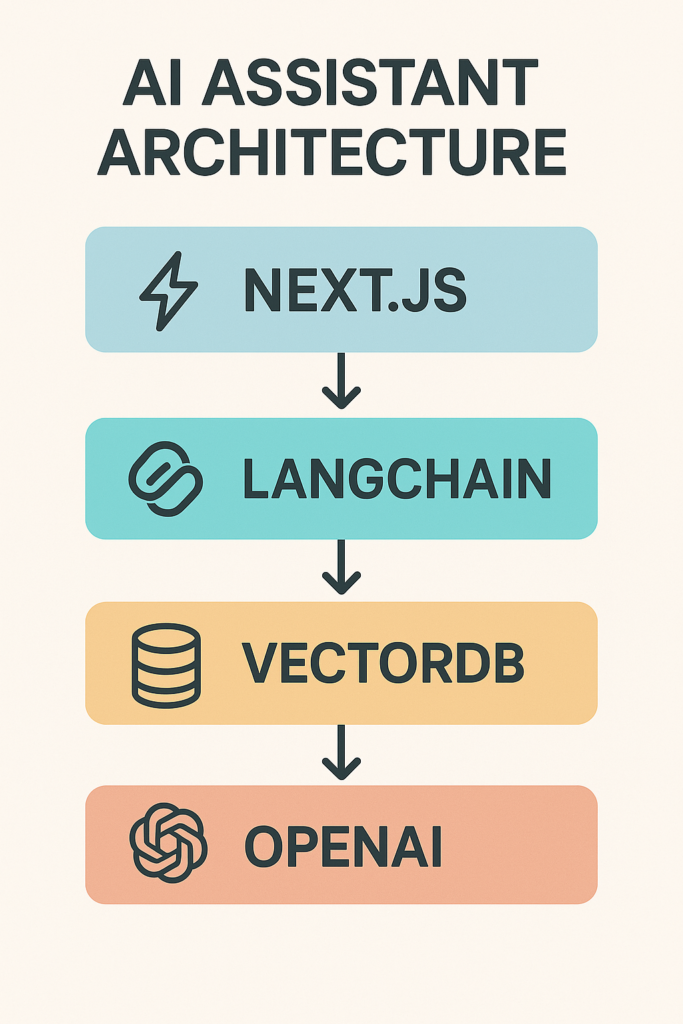
3. Integrating Vector Search: Where FullStack Skills Shine
Modern AI products often rely on semantic search. This means integrating vector databases like:
A FullStack Developer can:
- Generate and store embeddings
- Index them for retrieval
- Query results and re-rank using LLMs
- Build seamless search UX
🧠 This is not just backend or ML work — it’s FullStack orchestration.
4. Why Businesses Need to Integrate AI with FullStack Developers
Still hiring frontend, backend, and ML separately? That may slow you down.
Instead, an AI-aware FullStack Developer can:
- Build MVPs with AI in 2–4 weeks
- Integrate LLMs with your actual data
- Connect user feedback loops
- Ensure a scalable cloud deployment
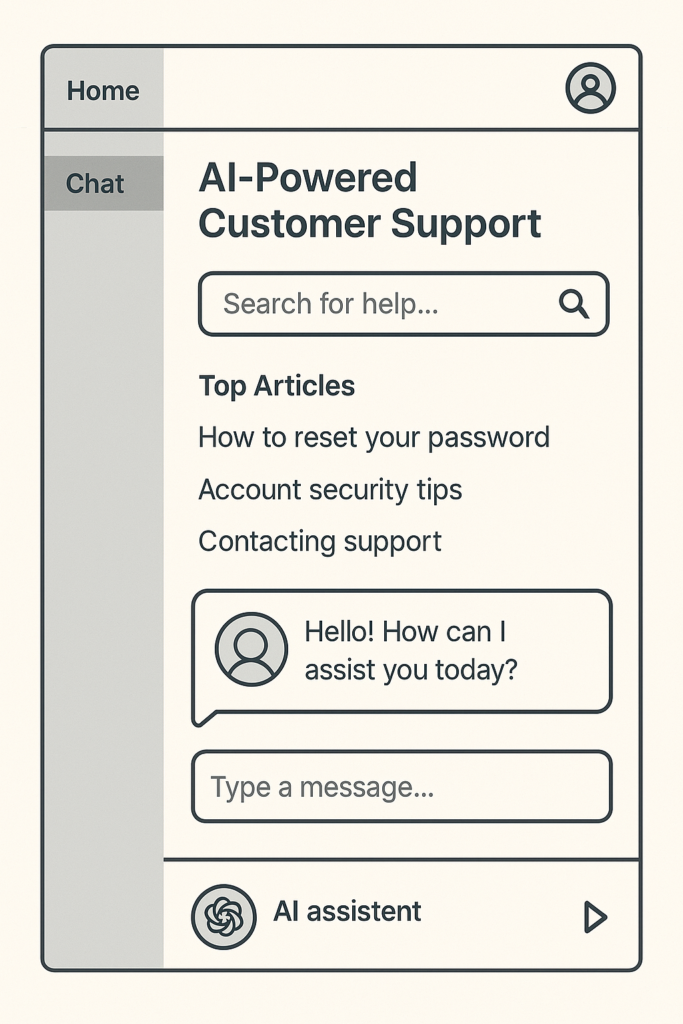
5. Use Case: AI-Enabled Customer Support Portal
A company wanted a smart support portal to answer user questions based on internal documents.
How the FullStack Developer delivered:
- UI: Next.js + Tailwind
- AI: LangChain + OpenAI + Pinecone
- Backend: NestJS with rate limiting, logging, and an admin dashboard
- Deployment: GitHub Actions + AWS Lambda
Result:
Live product in 3 weeks. Reduced manual ticket volume by 40%.
Conclusion: FullStack Developers Are the Glue of AI Integration
Integrating AI into your product is no longer a one-person job — unless that person is a FullStack Developer who understands AI.
They bridge your entire tech stack — frontend, backend, AI models, and infrastructure — into a single, cohesive, and intelligent system.
💡 If you’re building with LLMs, vector search, or AI-first features, make sure your team includes a FullStack Developer who can handle the integration end-to-end.