


In the ever-evolving landscape of business strategy and decision-making, PESTEL Analysis stands out as a valuable framework to understand external macro-environmental factors that can impact an organization. This tool is widely used in strategic planning, market research, and risk management. But what exactly is PESTEL analysis? Why is it important? And how can businesses use it effectively?
What is PESTEL Analysis?
PESTEL is an acronym that stands for:
- Political
- Economic
- Social
- Technological
- Environmental
- Legal
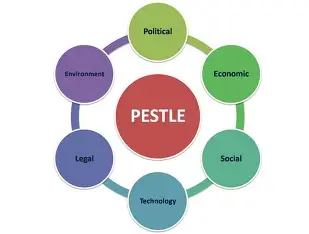
It’s a strategic tool used to identify and analyze the key drivers of change in the external environment that could influence an organization. The framework helps businesses anticipate threats and opportunities in the macro-environment so they can align their strategies accordingly.
The Six Elements of PESTEL
1. Political Factors: These refer to the influence of government policies, political stability, tax regulations, trade restrictions, and labor laws.
Example: A change in U.S. corporate tax laws can influence where companies choose to locate their headquarters.
2. Economic Factors: These include inflation rates, interest rates, economic growth patterns, unemployment levels, and exchange rates.
Example: During the 2008 financial crisis, many companies had to downsize or shut operations due to collapsing consumer demand and financial instability.
3. Social Factors: These focus on societal and cultural trends like demographics, lifestyle changes, consumer behavior, and education levels.
Example: The growing trend towards healthy eating has led to a boom in plant-based food products.
4. Technological Factors: Refers to innovations in technology, automation, R&D activity, and the rate of technological change.
Example: The rise of artificial intelligence and automation is transforming manufacturing and customer service industries.
5. Environmental Factors: These include ecological and environmental aspects such as climate change, environmental regulations, and sustainability initiatives.
Example: Stricter environmental laws in Europe have pushed automakers like Volkswagen and BMW to invest in electric vehicle development.
6. Legal Factors: Covers laws regarding consumer protection, employment, health and safety, and intellectual property.
Example: GDPR compliance laws in the EU forced global tech companies to revise their data collection and privacy policies.
Advantages of PESTEL Analysis
1. Comprehensive Overview: PESTEL provides a broad and complete picture of the external environment, helping businesses anticipate changes and plan strategically.
2. Encourages Proactive Thinking: It encourages companies to be forward-thinking and proactive rather than reactive.
3. Improves Risk Management: By identifying external risks, businesses can take steps to mitigate potential threats before they become critical.
4. Supports Strategic Planning: Helps align business strategies with external conditions, improving the chances of success.
5. Assists in Market Entry Decisions: Companies planning to enter new markets use PESTEL to assess viability and understand the external forces at play.
Disadvantages of PESTEL Analysis
1. Time-Consuming: A thorough PESTEL analysis can be extensive and require ongoing updates due to the dynamic nature of the external environment.
2. Subjectivity: Results can be influenced by the analyst’s bias or lack of information.
3. Lacks Quantitative Precision: It’s a qualitative tool, so it doesn’t provide measurable outcomes or direct solutions.
4. Doesn’t Account for Internal Factors: PESTEL focuses solely on external factors and ignores internal capabilities or weaknesses.
5. Overwhelming for Large Markets: In highly complex or global markets, the sheer number of external factors can be overwhelming and hard to prioritize.
Real-Life Examples of PESTEL in Action
Example 1: Netflix’s Global Expansion
When Netflix began its international expansion, it conducted PESTEL analyses to understand:
- Political: Internet censorship laws in China.
- Economic: Consumer spending and subscription affordability.
- Social: Entertainment consumption habits.
- Technological: Internet penetration and broadband speed.
- Environmental: Energy usage for data centers.
- Legal: Licensing restrictions and content regulations.
This allowed Netflix to customize content and strategy by region and anticipate potential challenges.
Example 2: Tesla and Environmental Regulations
Tesla thrives on the increasing emphasis on environmental factors:
- Stricter emissions regulations in Europe and California spurred demand for electric vehicles.
- Government subsidies for EV buyers encouraged market adoption.
- Technological innovation in batteries and software positioned Tesla as a leader.
By aligning with PESTEL trends, Tesla not only capitalized on opportunities but also influenced market dynamics.
How to Conduct a PESTEL Analysis
- Define the scope – Decide whether you’re analyzing a country, market, or industry.
- Gather data – Use credible sources like government reports, industry publications, and market research.
- Identify trends – Spot patterns that could impact the business now or in the future.
- Analyze impact – Assess whether each factor presents a threat or opportunity.
- Review regularly – Update the analysis periodically to stay current.
Conclusion
PESTEL analysis is a powerful tool for strategic insight into the broader forces shaping business success. While it comes with limitations, when used effectively, it can help organizations anticipate change, adapt strategies, and gain competitive advantage.
Whether you’re a startup eyeing market entry or a multinational planning expansion, understanding your external environment through PESTEL can guide smarter, more resilient business decisions.
If you want to learn about the Innovation and Growth Through Kaizen, please click here.