


Introduction to Artificial Intelligence (AI)
Artificial Intelligence (AI) stands as one of the most transformative technologies of our era, reshaping industries and driving innovation across various domains. Its ability to mimic human cognitive functions and learn from data has unlocked unprecedented opportunities for solving complex problems efficiently. In this comprehensive guide, we will delve into the realm of AI, exploring its potential and providing insights into leveraging its power effectively.
Understanding Artificial Intelligence
What is Artificial Intelligence?
Artificial Intelligence, often abbreviated as AI, refers to the simulation of human intelligence processes by machines, particularly computer systems. These processes include learning (the acquisition of information and rules for using the information), reasoning (using rules to reach approximate or definite conclusions), and self-correction.
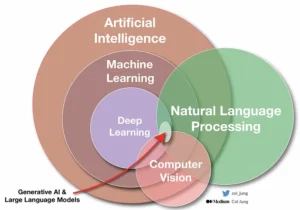
Key Components of AI
- Machine Learning (ML): ML enables systems to learn from data and improve over time without being explicitly programmed. It forms the foundation of many AI applications.
- Natural Language Processing (NLP): NLP allows computers to understand, interpret, and generate human language, enabling interactions between humans and machines.
- Computer Vision: Computer vision enables computers to interpret and understand the visual world, facilitating tasks such as image recognition and object detection.
Unlocking the Power of AI
Real-World Applications of AI
- Sentiment Analysis: AI-powered sentiment analysis tools can analyze text data to determine the sentiment expressed within it, helping businesses gauge customer opinions and feedback effectively.
- Image Recognition: AI-based image recognition systems can automatically identify objects, people, places, and activities within images, enabling various applications such as security surveillance and autonomous vehicles.
- Predictive Analytics: AI-driven predictive analytics models can forecast future trends and behaviors based on historical data, enabling businesses to make informed decisions and optimize processes.
Best Practices for AI Development
- Data Quality and Preprocessing: High-quality data is essential for training accurate AI models. Data preprocessing techniques such as cleaning, normalization, and feature engineering can improve the quality of data and enhance model performance.
- Model Evaluation and Validation: Thorough evaluation and validation of AI models are necessary to ensure their reliability and effectiveness. Employing techniques such as cross-validation and performance metrics analysis can help assess model performance accurately.
- Deployment and Monitoring: Deploying AI models into production environments requires careful planning and monitoring. Implementing robust deployment pipelines and monitoring systems can ensure the seamless integration and operation of AI solutions in real-world settings.
Conclusion:
Artificial Intelligence holds immense potential to revolutionize industries, drive innovation, and solve complex problems efficiently. By understanding its key components, unlocking scalability and flexibility, and adopting best practices for development, businesses can harness the power of AI to achieve transformative outcomes. Embrace the possibilities of AI today and embark on a journey of innovation and growth.
Embark on your journey to unlock the power of Artificial Intelligence today and witness the transformative impact it can have on your business. Happy exploring!